

Paralysis ticks are one of the most serious threats to dogs and cats on Australia’s east coast. A single tick, smaller than your little fingernail, can leave a healthy pet wobbly, struggling to swallow and eventually unable to breathe. The good news is that tick paralysis is largely preventable, and when it is caught early, most pets recover with veterinary treatment. This guide covers where and when paralysis ticks are active, the warning signs, how to search your pet properly, what to do if you find a tick, and the prevention that genuinely works.
What a paralysis tick is
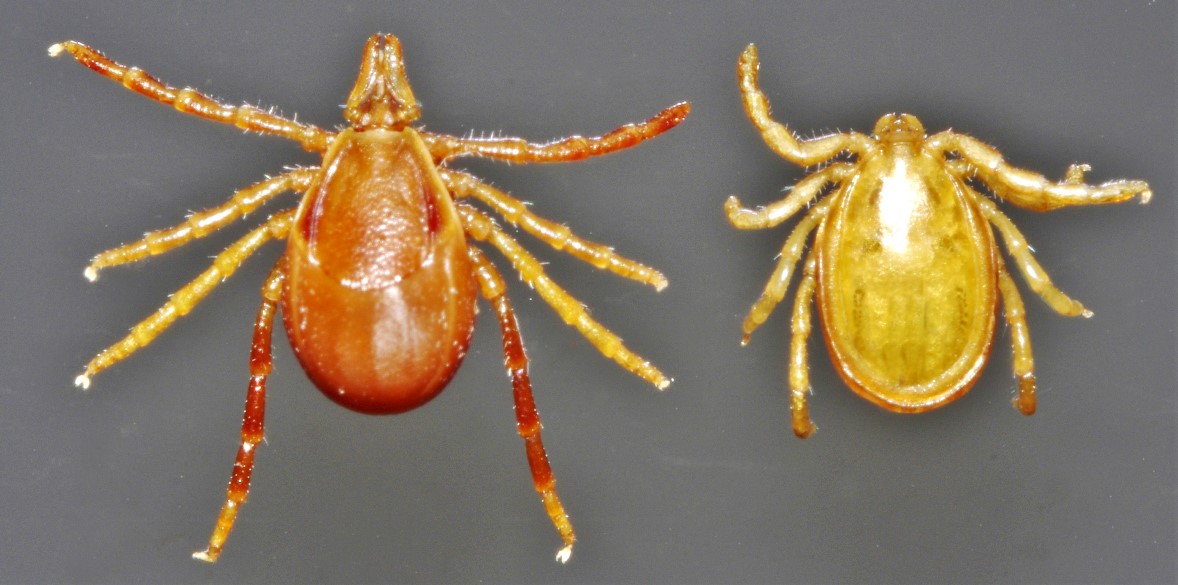
The Australian paralysis tick, Ixodes holocyclus, is a native parasite that normally feeds on wildlife such as bandicoots and possums. Native animals have built up some immunity to its toxin. Dogs and cats have not.
As an adult female tick feeds, she injects a neurotoxin that blocks the signals telling muscles to work. That is why the classic first sign is weakness in the back legs that creeps forward through the body. Left untreated, the toxin reaches the muscles of the throat, voice box and chest, and a pet can lose the ability to swallow safely or breathe.
Where paralysis ticks are found
According to the RSPCA Australia Knowledgebase, paralysis ticks are generally found along the eastern seaboard, from North Queensland down to Victoria. They favour humid coastal areas with bush, scrub, long grass and leaf litter, and they are most common within a band near the coast, though they can turn up further inland wherever there is moist, bushy habitat.
City pets are not safe by default. Ticks can drop off possums and bandicoots visiting suburban backyards, and dogs can pick them up in reserves, parks and coastal walking tracks. If you are travelling with your pet from a tick-free area to the coast, they may have no protection at all. Our guide to parasite risks when travelling with your dog covers what to sort out before you go.
When is tick season?
Ticks do not read the calendar. In the warmer north of their range, paralysis ticks can be found all year round. In southern areas, the RSPCA notes the season generally begins in spring and finishes in late autumn, although it varies with the weather.
Many owners think of ticks as a summer problem, but the data says otherwise. A University of Queensland analysis of 22,840 tick paralysis cases over 20 years found that spring, not summer, is the peak time for tick paralysis in dogs and cats, with cases declining during the hottest months and still occurring year-round.
Spring is peak, but winter is not a free pass
Mild, damp winters can keep ticks active, and in parts of the range the risk starts climbing in late winter, before most people think of it as tick weather. If you live in a tick area, treat prevention as a year-round habit rather than something you start once it feels warm. We cover the cooler months in more detail in does your pet still need tick and flea protection in winter.
Warning signs of tick paralysis
Early signs can be vague, which is exactly why they are easy to miss. In dogs and cats, watch for:
- Wobbliness, weakness or loss of coordination, usually starting in the back legs
- A change in bark or meow, such as a weak, hoarse or “lost” voice
- Coughing, gagging, retching, vomiting or regurgitating food
- Excessive drooling
- Loss of appetite, lethargy, or trouble standing, jumping or climbing stairs
- Dilated pupils
- Faster, laboured or noisy breathing, or a grunting sound when breathing out (a late, emergency sign)
Cats are often subtler. Your cat may simply go quiet, hide, stop eating or sound different before more obvious weakness appears, and some cats deteriorate very quickly once signs start.
How fast it comes on
The Merck Veterinary Manual notes that with Ixodes holocyclus, signs usually appear three to five days after a tick attaches (occasionally longer) and then tend to progress rapidly over the next 24 to 48 hours. Paralysis can keep worsening for up to 48 hours after the tick has been removed, so removing the tick is step one, not the all-clear. Tick size is not a reliable guide either. Small ticks can cause signs and large ticks sometimes do not.
The golden rule: if your pet shows any of these signs and could have been exposed to ticks, get to a vet straight away, even if you have not found a tick. Tick antiserum works best when given early, before more toxin binds to the nerves.
How to do a proper daily tick search
The RSPCA describes a daily tick search as the most essential preventative measure, and it still matters if your pet is on a tick product, because no product is 100% effective. Do it every day during tick season, not just after bushwalks.
Go slowly and use your fingertips rather than your eyes. Ticks, and the small craters they leave, feel like little lumps on the skin.
- Start at the nose and work backwards, parting the fur and “finger-walking” over the skin.
- Spend the most time on the head, neck and ears. A University of Queensland study of more than 10,000 cases found paralysis ticks on the head, neck or ears in 73% of dogs and 63% of cats.
- Check inside and around the ears, around the eyes, lips, chin and gum line, and under the collar.
- Run your fingers between every toe and over the paw pads.
- Check the chest, armpits, belly, groin and any skin folds.
- Finish around the tail, bottom and back end.
If you find one tick, keep looking, because some pets carry more than one. Long coats are harder to search, so take your time, and a tidy clip during tick season can make daily checks far easier.

Found a tick? What to do
- Remove it promptly. Use a tick remover (a small fork-like hook that slides either side of the tick) or fine-tipped tweezers. Grasp the tick at its head, right where it enters the skin, and lift it out steadily. Try not to squeeze the body.
- Skip the old tricks. Do not douse the tick in methylated spirits, oils or anything else, or hold a match to it. Getting it out quickly is what matters.
- Keep the tick. Pop it in a zip-lock bag or small container so your vet can confirm the species.
- Call your vet, even if your pet seems fine. Signs can still develop or worsen over the next day or two, and many vets prefer to check or monitor pets that have had a paralysis tick.
- Keep your pet calm, quiet and cool while you arrange care, and watch them closely.
- Do not offer food or water. The RSPCA warns that affected pets may not be able to protect their airway when they swallow, which risks aspiration pneumonia.
If your pet is already wobbly, vomiting, or breathing with effort, treat it as an emergency and go straight to the nearest vet or after-hours emergency clinic.
What treatment involves
Your vet will search for and remove any remaining ticks, give tick antiserum, and provide supportive care. Depending on how severe the paralysis is, that may include sedation to keep your pet calm, oxygen, fluids, careful monitoring and, in the worst cases, a ventilator to help with breathing. Recovery can take days, and pets often need a quiet, gradual return to normal activity afterwards.
Prevention that genuinely works
Daily searches work best alongside a registered tick preventative:
- Choose a product registered for paralysis tick control (Ixodes holocyclus), not only fleas or brown dog ticks. Check the label.
- Know the main options for dogs. Most modern tick preventatives for dogs belong to the isoxazoline class, with active ingredients such as afoxolaner, sarolaner, fluralaner and lotilaner. They come as monthly or longer-acting chews, along with some spot-ons and tick collars. Your vet can help you choose one for your dog and your area.
- Dose to your pet’s current weight and stay on schedule. Gaps between doses are when ticks slip through, so set a reminder.
- Never use a dog product on a cat. The RSPCA warns that some dog tick products are highly toxic to cats and can kill them. Products containing permethrin are a particular danger, so keep cats away from recently treated dogs as the label advises. If your cat goes outdoors at all, ask your vet about a cat-safe tick preventative.
- Do not rely on “natural” remedies. Essential oils such as tea tree are not reliable tick repellents and can be toxic to pets, especially cats.
Around the yard and on walks
- Keep lawns short and clear leaf litter, compost heaps and brush piles where ticks shelter.
- Discourage possums and bandicoots from settling in your yard where you can do so humanely.
- During tick season, keep dogs out of dense bush and scrub, stick to cleared paths and keep them on lead in known tick areas.
- Do an extra full-body check after bush or beach walks, and after warm, wet weather.
Spring is also a good time to check your whole parasite plan. Our guides to fleas and worms and reviewing your pet’s parasite plan cover the rest.
What about other Australian ticks?
Not every tick causes paralysis. The brown dog tick and the bush tick are less dangerous in that sense, but they can still cause skin irritation and, in heavy numbers, anaemia. The brown dog tick can also spread disease, including ehrlichiosis, which has been spreading in northern and central Australia since 2020. See our guide to ehrlichiosis in dogs for more. A good tick prevention plan covers these ticks as well.
Frequently asked questions
Can pets get paralysis ticks in winter?
Yes. In the north of their range, paralysis ticks are active year-round, and mild, humid conditions can keep them active elsewhere outside the classic season. Spring is the peak, but if you live in a tick area, keep prevention going all year.
How quickly does tick paralysis come on?
Signs usually appear three to five days after a tick attaches, then can worsen quickly over a day or two. They can also keep developing for up to 48 hours after the tick is removed, so keep watching your pet and stay in touch with your vet.
Where are ticks most commonly found on a dog or cat?
Most are found on the front half of the body, especially the head, neck and ears. Still search the whole body, including between the toes, armpits, groin and around the tail, and keep going after you find one.
Do indoor cats need tick prevention?
Strictly indoor cats are at lower risk, but ticks can hitch a ride inside on people, dogs or wildlife, and many cats access balconies or gardens. If your cat goes outside at all and you live in a tick area, talk to your vet about a cat-safe preventative.
Could it be a snake bite instead?
Some signs, such as sudden weakness, wobbliness and dilated pupils, can overlap with snake envenomation, which is also more common in the warmer months. Either way, it is an emergency. See our snake bite first-aid guide and get to a vet straight away.
Key takeaways
- The paralysis tick is found along Australia’s eastern seaboard, from North Queensland to Victoria, and can be fatal to dogs and cats.
- Spring is the peak season, but ticks can be active year-round in the north and outside the usual season elsewhere.
- Wobbly back legs, a changed bark or meow, retching, drooling or breathing changes need an urgent vet visit, even if you have not found a tick.
- Search your pet with your fingertips every day in tick season, starting with the head, neck and ears.
- Removing a tick is not the all-clear. Call your vet, keep your pet calm and do not give food or water if they are showing signs.
- Use a registered, correctly dosed tick preventative year-round, and never use dog products on cats.
This article is general information for Australian pet owners and is not a substitute for advice from a registered veterinarian. If you find a tick on your pet or notice any signs of tick paralysis, contact your vet immediately.