

If you live south of the Queensland border, you might assume tick and flea season packs up and goes home the moment the mornings turn frosty. It is a tempting bit of logic – fewer mozzies, fewer flies, surely fewer parasites? Unfortunately, our pets don’t get a winter holiday from ticks and fleas quite as neatly as we’d like. Here’s what Aussie owners actually need to know before they cancel that monthly treatment.
Do ticks and fleas really disappear in winter?
The short answer is no – not reliably, and not everywhere. While parasite activity does ease off when it’s genuinely cold, “eased off” is not the same as “gone”. In Australia’s northern and coastal regions, where winter stays mild, ticks and fleas can stay active right through the cooler months. Even in the southern states, a run of warm winter days can be enough to wake them up again.
Paralysis ticks: the one to take seriously
Along the east coast of Australia, the paralysis tick is a serious and potentially fatal threat to dogs and cats. In southern areas the “tick season” generally runs from spring until late autumn, but it varies with the weather, and in northern areas ticks may be present all year round (RSPCA Knowledgebase).
Tick paralysis is a serious, potentially fatal condition. Early signs to watch for include wobbliness or weakness in the back legs, a change in the sound of your pet’s bark or meow, excessive drooling, vomiting, and laboured breathing (RSPCA Knowledgebase). If you notice any of these, treat it as an emergency.
Fleas don’t read the calendar
Fleas are arguably more of a winter problem than people expect. Our heated homes create a cosy, year-round breeding ground, so flea eggs and larvae tucked into carpet, bedding and couches can keep developing long after the outdoor population slows down. Skip prevention over winter and you may find yourself fighting a full-blown infestation by the time spring arrives, which is why the RSPCA advises using a flea preventative throughout the year (RSPCA Knowledgebase).
Why year-round protection makes sense
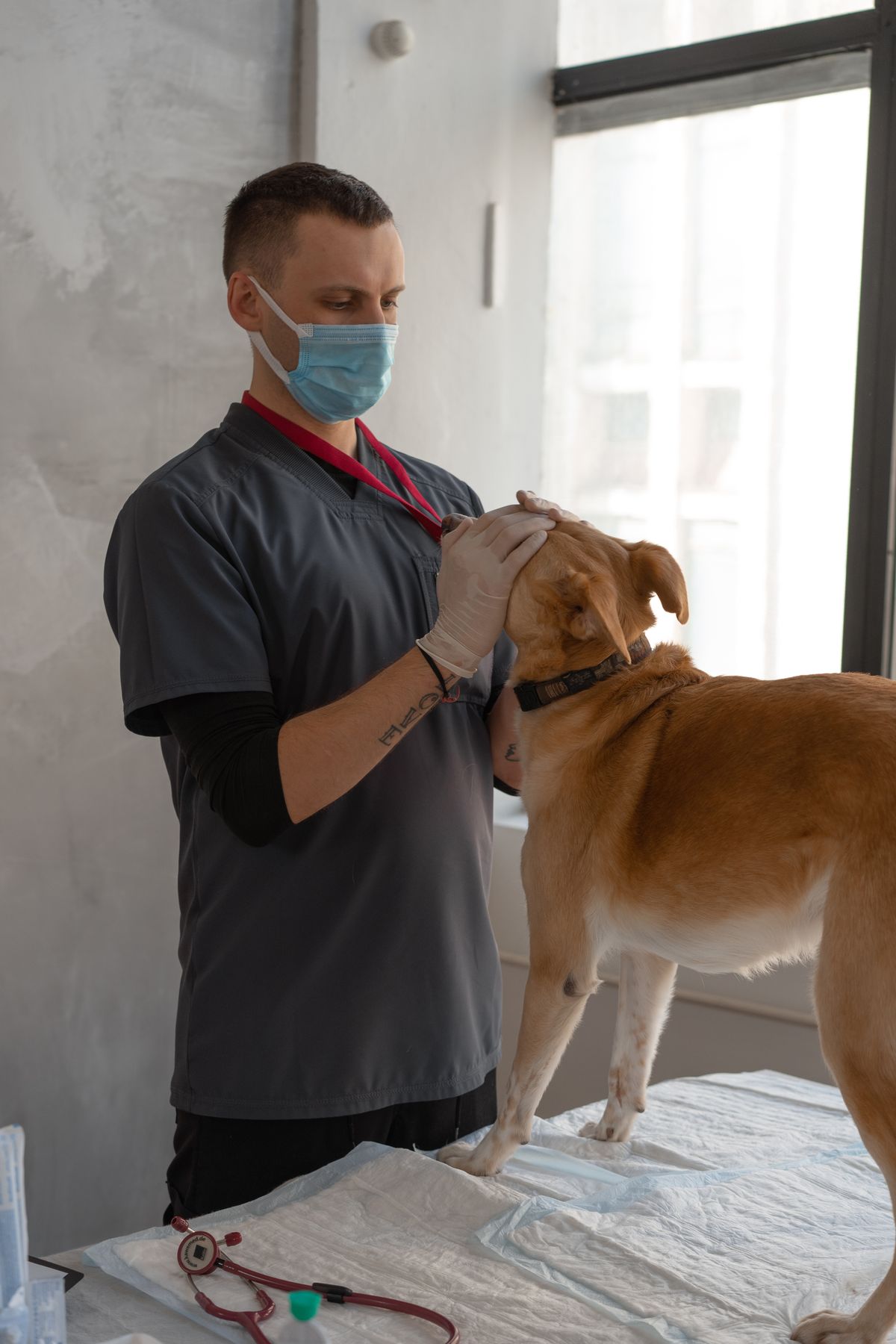
Because tick and flea risk varies so much depending on where you live, most Australian vets recommend keeping up parasite prevention 12 months of the year rather than trying to guess when it’s “safe” to stop. Consistent, year-round cover takes the seasonal guesswork out of it and keeps a protective buffer in place during those unexpectedly warm winter spells.
Modern options also make this easier than it used to be. Alongside the familiar monthly chews, spot-ons and collars, there are now longer-acting choices, such as chews and spot-ons that cover fleas and paralysis ticks for three or even six months per dose (Bravecto). Your vet can help you weigh up what suits your pet’s lifestyle, age and health.
Daily tick checks: your most important habit
No product is a substitute for your own hands. The single most effective preventive measure is a thorough check of your pet’s skin and coat at least once a day, especially after any walk through bush, long grass or scrub. Run your fingers slowly over the whole body, parting the fur as you go.
Pay particular attention to:
- The head, face and ears (inside and around the base)
- Around the eyes, lips and under the chin
- The neck and shoulders
- Between the toes and around the paws
- Under the collar, the armpits and the groin
If you find a tick
Remove it as soon as possible using a tick-removal tool or fine tweezers, getting as close to the skin as you can and avoiding squeezing the body of the tick. Don’t offer your pet food or water, as a paralysed animal can struggle to swallow safely. Then take your pet to a vet straight away – even if the tick is out, the toxin can keep affecting them (RSPCA Knowledgebase).
A quick but important safety note
Never use a dog tick or flea product on a cat. Several ingredients that are perfectly safe for dogs are highly toxic to cats and can be fatal. Always check that any product is specifically labelled for the species you’re treating, and ask your vet if you’re unsure.
It’s also worth keeping your yard parasite-unfriendly: mow the lawn regularly, trim back shrubs, and clear away leaf litter and compost where ticks and fleas like to shelter.
The bottom line
Winter is not a free pass when it comes to ticks and fleas – especially for pets on the east coast or in milder coastal pockets. Year-round prevention, paired with daily hands-on tick checks, is the simplest way to keep your dog or cat safe through every season. For advice tailored to where you live and your pet’s individual needs, consult a licensed veterinarian for diagnosis or treatment specific to your pet.