For a lot of Australian dogs, the first big thunderstorm of the season turns a happy pet into a shaking, panting mess. And that season is almost here. The Bureau of Meteorology records most severe thunderstorms between September and March, which makes spring the starting gun. Noise fear responds well to a plan, and the best time to build that plan is now, before the sky starts rumbling.
Storm fear is common, and under-treated
You are far from alone if your dog panics. In a 2024 Australian Veterinary Journal survey of dog owners in Greater Sydney, 44% of dogs were reported as frightened of fireworks, yet fewer than a quarter of affected owners had sought professional help. Storms set off the same fear response, and they can be harder to manage because they arrive with wind, rain and pressure changes that some dogs seem to notice before we hear a thing. Left alone, that fear can get worse each season rather than better. (Storm fear is different from separation anxiety, which is triggered by being left alone rather than by noise.)
Know the signs of a frightened dog
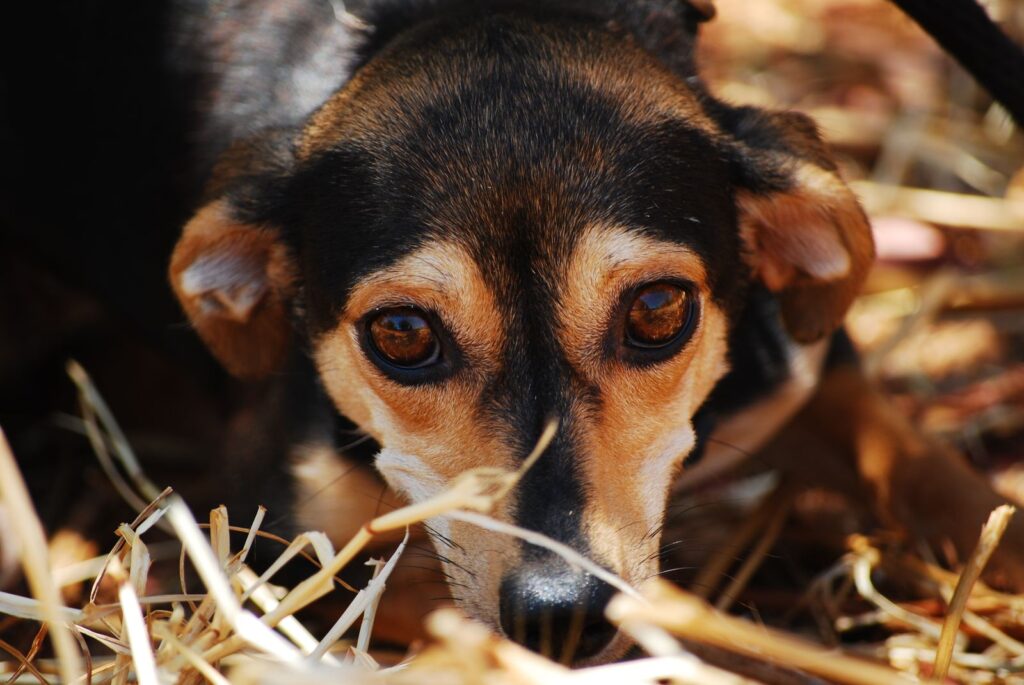
Fear shows in the body long before a dog bolts. Common signs to watch for include the following, several of which RSPCA Victoria lists:
- Pacing, panting or drooling
- Trembling, cowering or clinging to you
- Hiding, or trying to escape the house or yard
- Barking, whining or howling
- Toileting indoors despite being house-trained
- Chewing or scratching at doors and windows
A one-off startle is normal. A dog that repeatedly hurts itself trying to escape is dealing with a genuine phobia, and that needs more than a pat on the head.
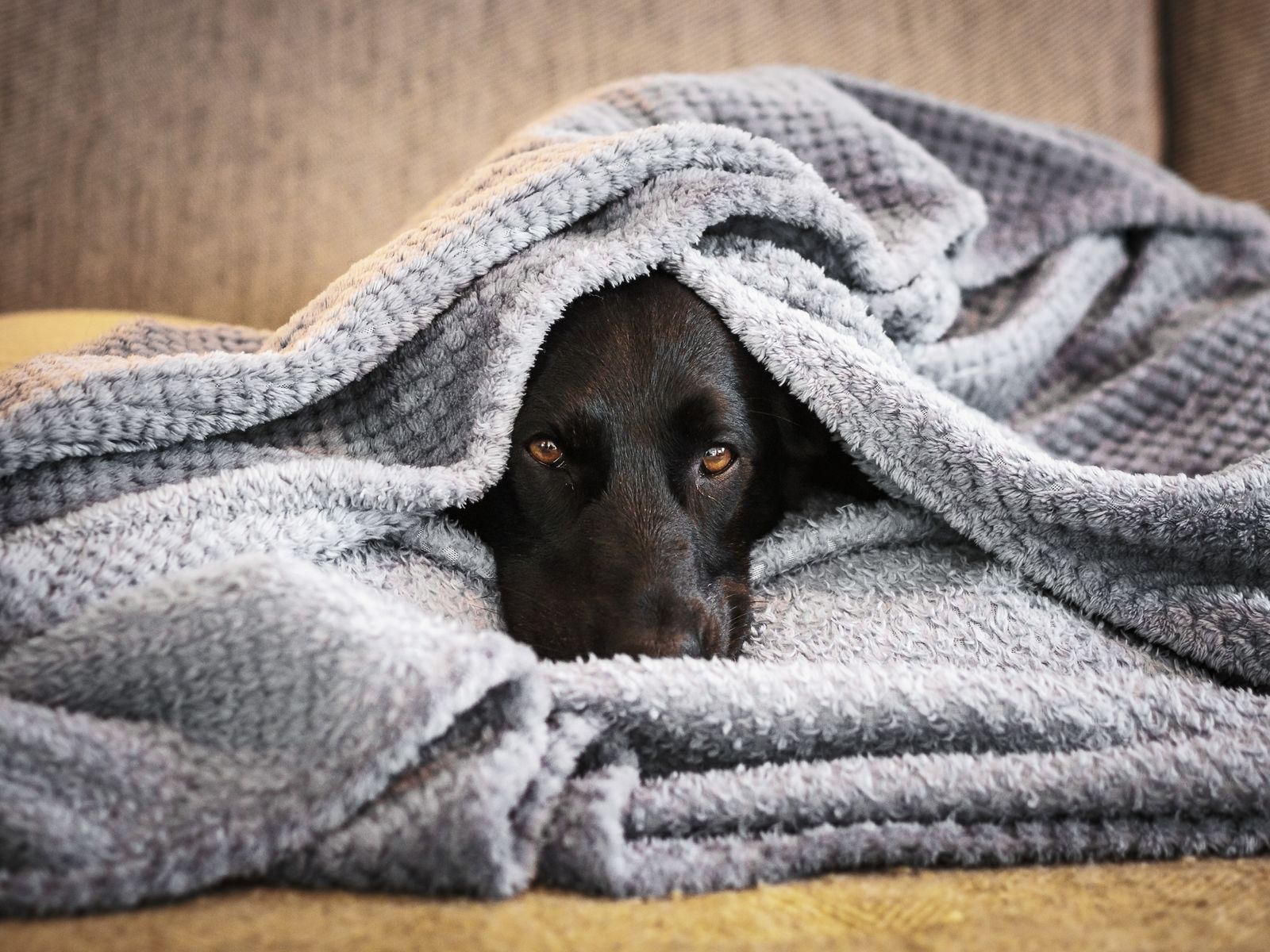
Build a storm-day plan before spring hits
A little preparation now saves a lot of panic later. Ahead of the season, put together a simple calm-down kit, drawing on RSPCA Victoria’s storm advice:
- A safe den: a covered crate, an interior room or the spot under your bed, lined with familiar bedding. Leave it open. The den should be a choice, never a locked cage.
- Muffle the storm: close the curtains to hide lightning flashes, and run a fan, white noise or calm music to soften the thunder.
- Stay neutral: comfort your dog if it comes to you, but never punish fearful behaviour: telling a frightened dog off only confirms that something is wrong.
- Consider calming aids: the RSPCA suggests dog-appeasing pheromones may help reduce fear, and some owners find a snug-fitting anxiety wrap takes the edge off. The evidence is mixed, so treat them as helpers, not cures.
- Update the microchip: check your contact details are current, because frightened pets often escape and get lost (RSPCA Victoria).
While you are storm-proofing, remember spring brings other hazards too: it is also the start of snake season across much of the country.
Training that actually lowers the fear
A kit helps on the night, but training is what changes the underlying fear. RSPCA Victoria recommends gradual desensitisation: play recorded storm or firework sounds at a very low volume while your dog is relaxed and busy with something good (a chew, a game, or dinner) then lift the volume slightly over many short sessions across several weeks. Push too fast and you reinforce the fear, so keep every session below the level that worries your dog, and start well before the first storm. For dogs that also struggle with general reactivity, the same slow, reward-based method applies.
When to call your vet
Severe phobia is a medical problem, not a training failure, and it is very treatable. If your dog panics to the point of self-injury, won’t eat or settle for hours, or tries to crash through doors and fences, book a vet visit well before storm season peaks. Australian vets can prescribe medications such as Sileo (a dexmedetomidine gel registered for noise fear) or off-label options like trazodone or gabapentin, chosen and dosed for your individual dog, as clinics like Walkerville Vet explain. These are prescription-only: human sedatives and leftover medications are not safe substitutes. You can find a registered clinic through the Australian Veterinary Association.
Quick guide: how worried should you be?
| Level | What it looks like | What to do |
|---|---|---|
| Mild | Alert, mild panting, sticks close, settles when comforted | Safe den, calm routine, optional calming aids |
| Moderate | Trembling, pacing, hiding, won’t take treats, drooling | Above, plus start sound desensitisation; ask your vet |
| Severe | Frantic escape attempts, self-injury, can’t settle for hours | Vet visit before the season: likely needs a medication plan |
Frequently asked questions
Will my dog grow out of storm fear?
Often not. Untreated noise fear can intensify with each season, which is exactly why starting a plan early matters.
Should I comfort my scared dog or ignore it?
Comfort it if it comes to you. A calm, reassuring presence helps, though the RSPCA cautions that excessive fussing may add to the anxiety, and punishment always makes things worse.
Are over-the-counter calming chews enough?
For mild nerves they may take the edge off, but a genuinely phobic dog usually needs training plus a vet-guided plan. Talk to your vet before relying on supplements alone.
Key takeaways
- Spring is the start of Australia’s storm season (September–March): prepare now.
- Storm fear is common and tends to worsen if it is ignored.
- Build a safe den, muffle the noise, and never punish fear.
- Gradual sound desensitisation is the key long-term approach.
- Severe panic is a medical issue: see your vet about proven medications.
Written by GoPetr Writer, the GoPetr editorial team covering pet health and welfare for Australian owners. This article is general information only and is not a substitute for veterinary advice. Consult a licensed veterinarian for diagnosis or treatment specific to your pet.