
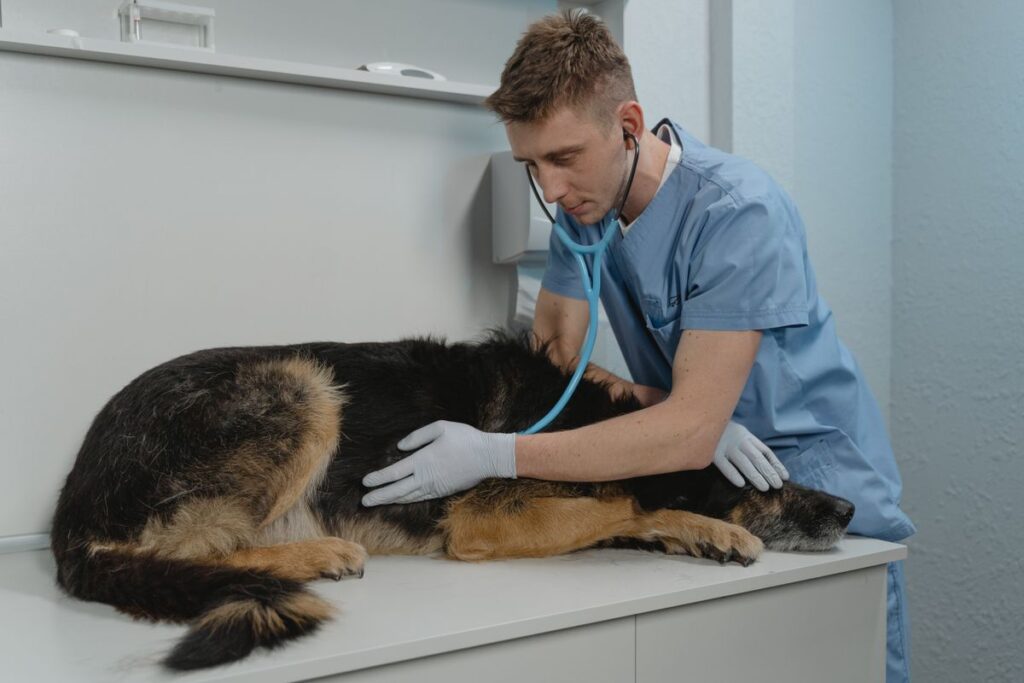
It’s 9pm on a cold Tuesday, your dog has vomited twice, and the nearest emergency clinic is a 40-minute drive and a scary bill away. A few years ago you’d have had two options: wait and worry, or load the car. In 2026, more Australian pet owners are reaching for a third one first: picking up the phone to a tele-vet.
Online vet services have quietly become one of the fastest-growing corners of Aussie pet care. Pet Insurance Australia reported a 50% jump in policyholders using its tele-vet service over the past year, and the ABC has reported that telemedicine is easing pressure on regional and remote vets amid a national shortage. With that shortage of vets and household budgets under real pressure, that shift makes sense. But knowing when a screen is enough, and when your pet needs hands-on care right now, is the part that actually keeps them safe.
What a tele-vet actually is (and isn’t)
A tele-vet consult is a video, phone or chat session with a registered veterinarian. Its main job is triage and guidance: helping you work out whether what you’re seeing is a “watch at home tonight”, a “book your regular vet tomorrow”, or a “go to emergency now” situation. Think of it less as a replacement for your local clinic and more as a calm, qualified second opinion available at odd hours.
As Nadia Crighton from Pet Insurance Australia puts it: “This is not about replacing your local vet. It is about giving pet owners access to qualified veterinary guidance when they need it most.” That framing matters, because it sets honest expectations about what a video call can and can’t deliver.
What online vets can and can’t do in Australia
This is where Australian rules are stricter than many owners realise. The Australian Veterinary Association’s telemedicine policy says a proper vet–client–patient relationship generally needs to exist (usually meaning the animal has been physically examined or the vet has recent knowledge of it) before a vet can diagnose or supply restricted (Schedule 4) medications. A vet you’ve never met can act in a tele-triage or emergency-advice capacity, where advice should stay general, but they typically can’t post you antibiotics off the back of a single video call.
- Usually fine over video: triaging symptoms, general advice, behaviour and anxiety questions, nutrition and weight guidance, minor skin or itch assessments (home lighting can help here), and post-op wound checks.
- Usually needs a clinic: a formal diagnosis, prescriptions for regulated medications, anything needing bloods, imaging or a physical exam, and any true emergency.
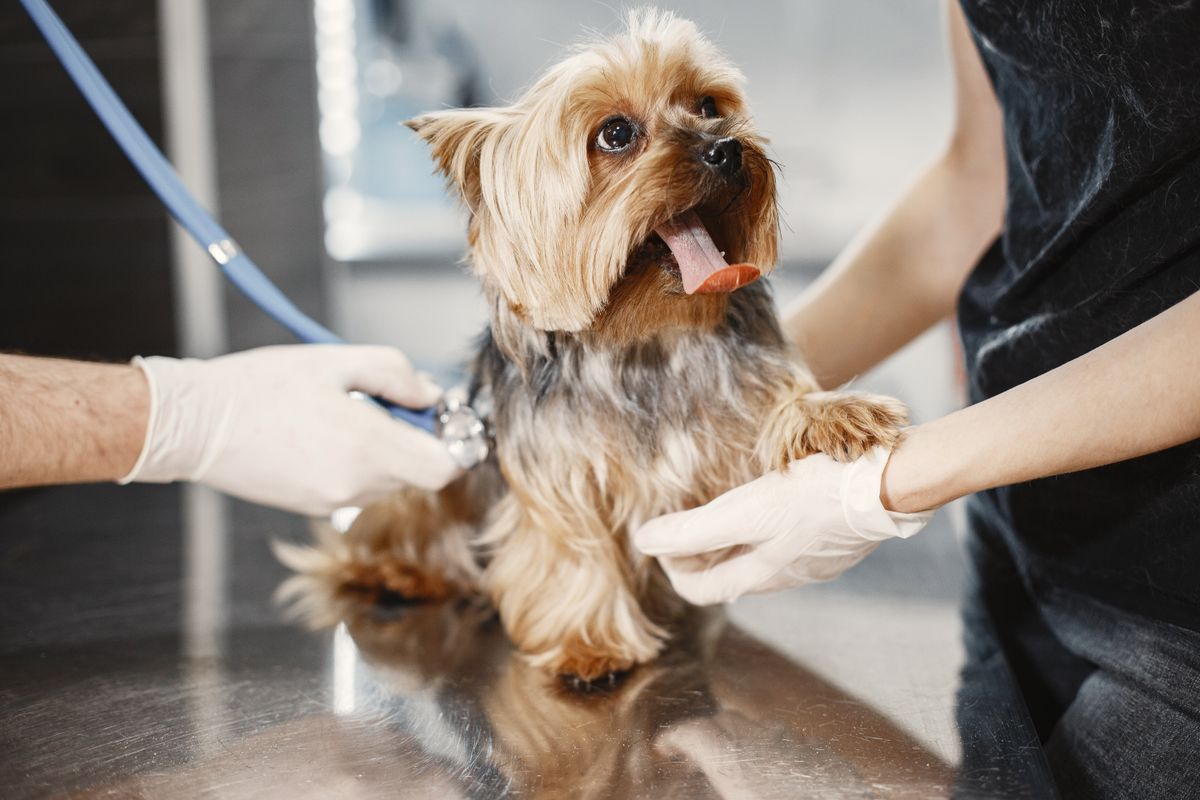
When a tele-vet is a smart first call
Looking at the most common reasons Aussies actually dial a tele-vet, a clear pattern emerges: these are the “is this serious?” moments that don’t obviously need a car trip:
- Mild, one-off vomiting or diarrhoea in an otherwise bright, active pet
- Itchy skin, a hot spot, or a lump you want a professional eye on
- Medication questions: dosing, timing, or whether a side effect is normal
- Behaviour and anxiety concerns, which vets can often read better in the home setting
- After-hours reassurance when you’re not sure the drive to emergency is warranted
For many households the money side is the clincher. According to the ABC, online consults cost on average between $50 and $120, while a standard in-clinic appointment usually sits between $80 and $150 (PetCloud) and after-hours call-outs can cost far more. A quick triage call can save an unnecessary emergency bill, or confirm that this really is the night to spend it.
When to skip the screen and go straight to emergency
Some signs are non-negotiable. If your pet shows any of the following, don’t wait for a video call: get to your nearest emergency vet straight away:
- Breathing trouble: laboured, noisy or open-mouth breathing (in cats, open-mouth breathing or panting is always an emergency), or blue/pale gums
- A swollen, hard belly with unproductive retching: possible bloat (GDV) in dogs, which can turn fatal within hours
- Collapse, seizures, or sudden weakness
- Suspected poisoning: snail bait, rat bait, antifreeze, or a toxic plant
- A male cat straining in the litter tray without producing urine, a life-threatening blockage
- Uncontrolled bleeding, a suspected snake bite, or major trauma
With something like bloat, minutes matter: early treatment gives most dogs a good chance, but delay can be deadly. When in doubt, treat it as an emergency.
How to get the most out of a tele-vet call
- Set up in good light and have your pet where the vet can see the problem area clearly
- Jot down a quick timeline: when symptoms started, how often, any changes to food, and current medications
- Have your regular vet’s details ready, and ask the tele-vet to send notes across so your records stay joined up
A tele-vet is a brilliant first step and a real budget-saver, but it works best alongside a regular clinic that knows your pet. This article is general information only. Always consult a licensed veterinarian for diagnosis or treatment specific to your animal.
Frequently asked questions
Are online vets in Australia real registered vets?
Reputable tele-vet platforms are staffed by veterinarians registered to practise in Australia. It’s worth confirming this before you sign up, and checking whether you’re speaking to a vet or a vet nurse for triage.
Can a tele-vet prescribe medication for my pet?
Generally not for restricted medicines without an existing relationship and, in most cases, a physical exam. Australian guidelines require a vet to have sufficient knowledge of your animal before prescribing regulated drugs, so expect guidance and a referral rather than a prescription from a first-time video call.
How much does an online vet consult cost?
Most sit between roughly $50 and $120, depending on the service and whether follow-up is included, often cheaper than an in-clinic visit and well below an after-hours emergency consult. Some pet insurance policies now include free 24/7 tele-vet access, so check what you already have.
Key takeaways
- Tele-vets are surging in Australia in 2026, driven by cost-of-living pressure and a national vet shortage.
- They’re best for triage, advice and minor concerns, not diagnosis, prescriptions or emergencies.
- Breathing trouble, bloat, collapse, poisoning and a blocked male cat mean emergency clinic, now, not a video call.
- Use a tele-vet to complement your regular vet, and keep your pet’s records joined up.