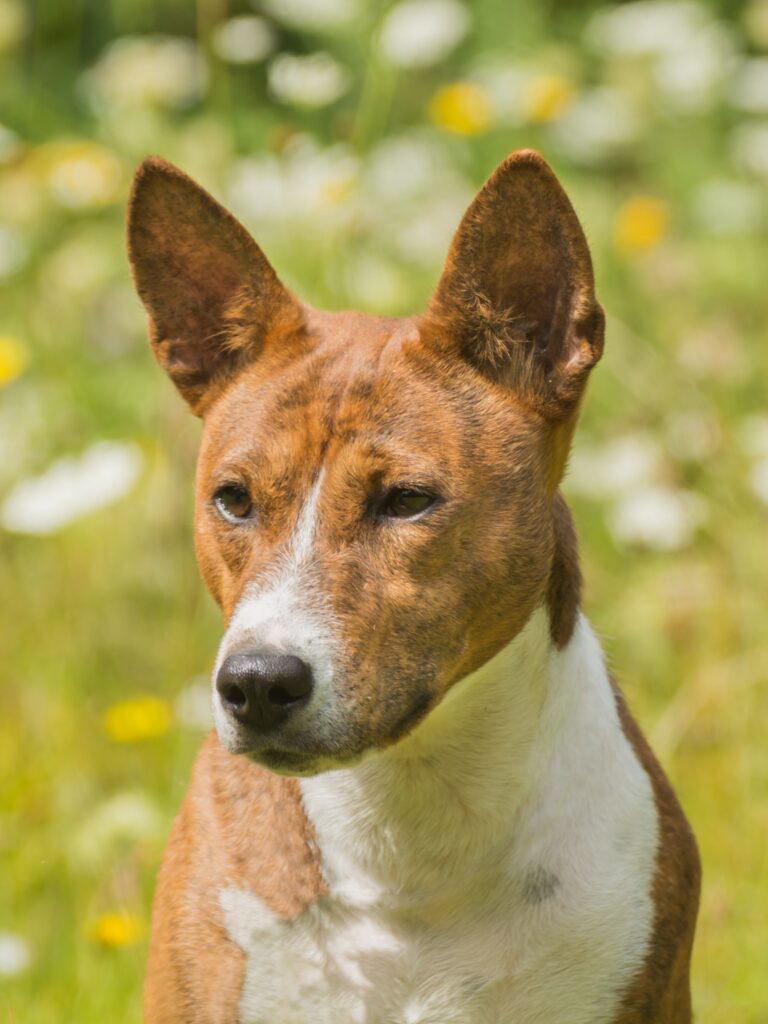
Few dog breeds spark as much curiosity as the Basenji. Often called the “barkless dog,” this small, elegant hound from Central Africa has a reputation for being unusually quiet. But does a Basenji really never bark, and if it does not bark, how does it communicate? Understanding the Basenji’s unique voice can help you decide whether this independent breed is the right fit for your home and lifestyle.
Do Basenjis Actually Bark?
The short answer is that Basenjis can technically bark, but they rarely do, and when they do it usually comes out as a single, short sound rather than the repeated barking many other breeds are known for. This trait is one of the reasons the breed is frequently described as barkless; the official breed standard sums it up as “barkless but not mute” (FCI breed standard). Rather than being completely silent, Basenjis are simply wired to vocalise in a different way.
The most commonly cited explanation involves the shape of the Basenji’s larynx, or voice box, which is often said to differ from that of many other dogs, though the science on this is thin. This anatomical difference is thought to make a typical sustained bark difficult to produce. While individual dogs vary, most Basenji owners find that their dogs are far quieter than the average pet dog.

The Famous Basenji Yodel
Instead of barking, Basenjis are well known for a distinctive sound often described as a yodel; the breed standard calls it a mixture of a chortle and a yodel (FCI breed standard). Many owners affectionately call it a “baroo.” This musical, rolling vocalisation can rise and fall in pitch and is usually a sign of excitement, greeting, or general happiness. It is one of the breed’s most charming and memorable characteristics.
The yodel is not the only sound in a Basenji’s range. These expressive dogs may also produce a variety of other noises to get their point across.
Other Sounds a Basenji Makes
A quiet breed is not the same as a silent one. Basenjis often communicate with a surprisingly broad vocabulary of sounds, including:
- Yodels or “baroos” that often signal excitement or a happy greeting
- Whines and whimpers used to ask for attention or express mild frustration
- Growls during play or when something feels uncertain
- Screams or loud, dramatic squeals that some owners notice when a Basenji is upset or overstimulated
- Occasional short, single barks in moments of surprise
Because these sounds can be unexpected, first-time Basenji owners are sometimes caught off guard. Learning to read the context behind each sound makes it much easier to understand what your dog is trying to tell you.
Why Are Basenjis So Quiet?
Beyond the anatomy of the voice box, the Basenji’s history may play a role in its reserved nature. The breed originates in Central Africa and was traditionally valued there as a hunting dog (FCI breed standard; American Kennel Club). A dog that stays quiet can be an asset in certain working situations, and many owners feel this calm, watchful temperament still shows in the breed today.
It is worth remembering that every dog is an individual. Genetics, early socialisation, environment, and personality all influence how vocal a particular Basenji becomes. Some are nearly silent, while others are quite chatty in their own yodelling way.
Living With a Quiet but Vocal Breed
If you are drawn to the Basenji because you want a dog that is unlikely to bark at every passing car, the breed may be a good match for apartment living or shared housing. At the same time, it helps to set realistic expectations. A Basenji that is bored, anxious, or under-exercised can still be noisy in its own way, and the breed is known for being intelligent and independent.
Many owners find that consistent daily exercise, mental enrichment, and positive, reward-based training can support good behaviour and reduce attention-seeking sounds. Puzzle toys, regular walks, and structured play often help channel the Basenji’s energy in healthy directions.
When Vocalizing May Signal a Problem
A sudden change in your dog’s usual sounds is worth paying attention to. If a normally quiet Basenji begins whining, yelping, or vocalising far more than usual, it can sometimes indicate discomfort, pain, stress, or an underlying health issue. Consult a licensed veterinarian for diagnosis or treatment specific to your pet, especially if the change is sudden or accompanied by other symptoms.
Final Thoughts
The Basenji is not truly a silent dog, but it is far from a typical barker. Its signature yodel, expressive range of sounds, and generally quiet nature make it a fascinating companion for the right owner. If you appreciate an intelligent, independent dog with a one-of-a-kind voice, the Basenji’s unusual approach to communication may be exactly what makes you fall in love with the breed.