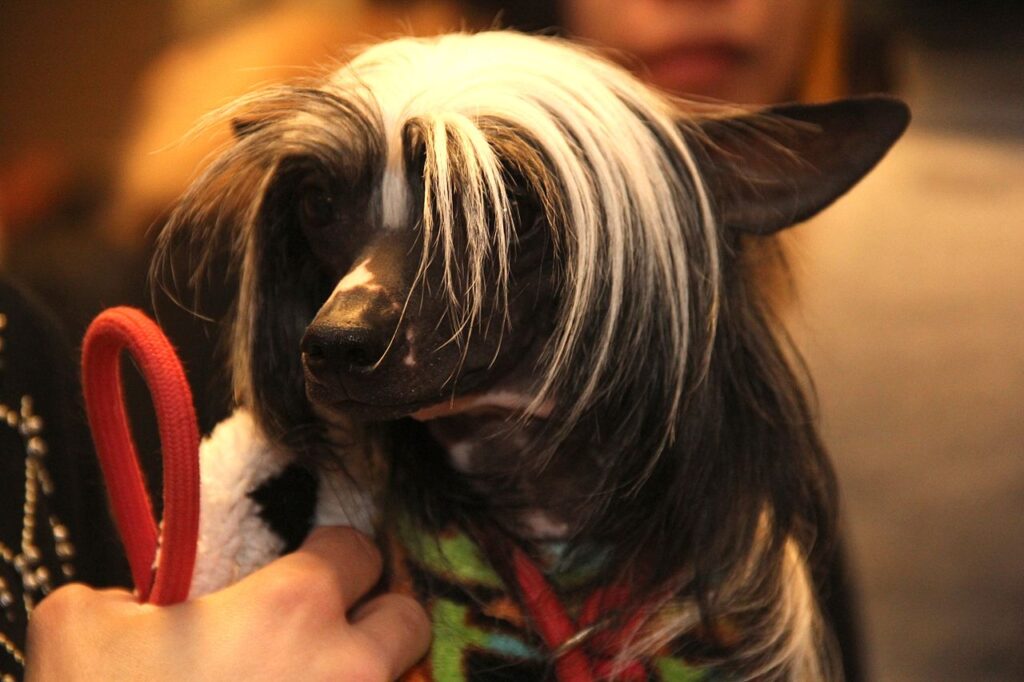
If you have ever spotted a slender little dog with smooth, bare skin and a flowing crest of hair on its head, you have probably met a Chinese Crested. Often searched for as the “Chinese Crested Terrier,” the breed is not actually a terrier at all: its proper name is simply the Chinese Crested Dog. It is one of the most distinctive toy companions in the world, and behind that unusual look sits a gentle, people-loving personality.
A Quick Look at the Breed
The Chinese Crested is a small, fine-boned toy breed that usually stands about 28 to 33 cm (11 to 13 inches) tall and weighs roughly 3.5 to 5.5 kg (8 to 12 pounds), according to the American Kennel Club. The FCI breed standard allows females to be a little smaller, from 23 cm. Despite the “Chinese” in the name, the breed’s exact origins are still debated. One popular theory suggests hairless dogs travelled aboard Chinese trading ships, where they were prized as ratters. What is clear is that the breed has been a recognised companion for a very long time; it entered the American Kennel Club stud book in 1991 and is listed by the FCI in its Companion and Toy Dogs group.
Two Coats, One Breed
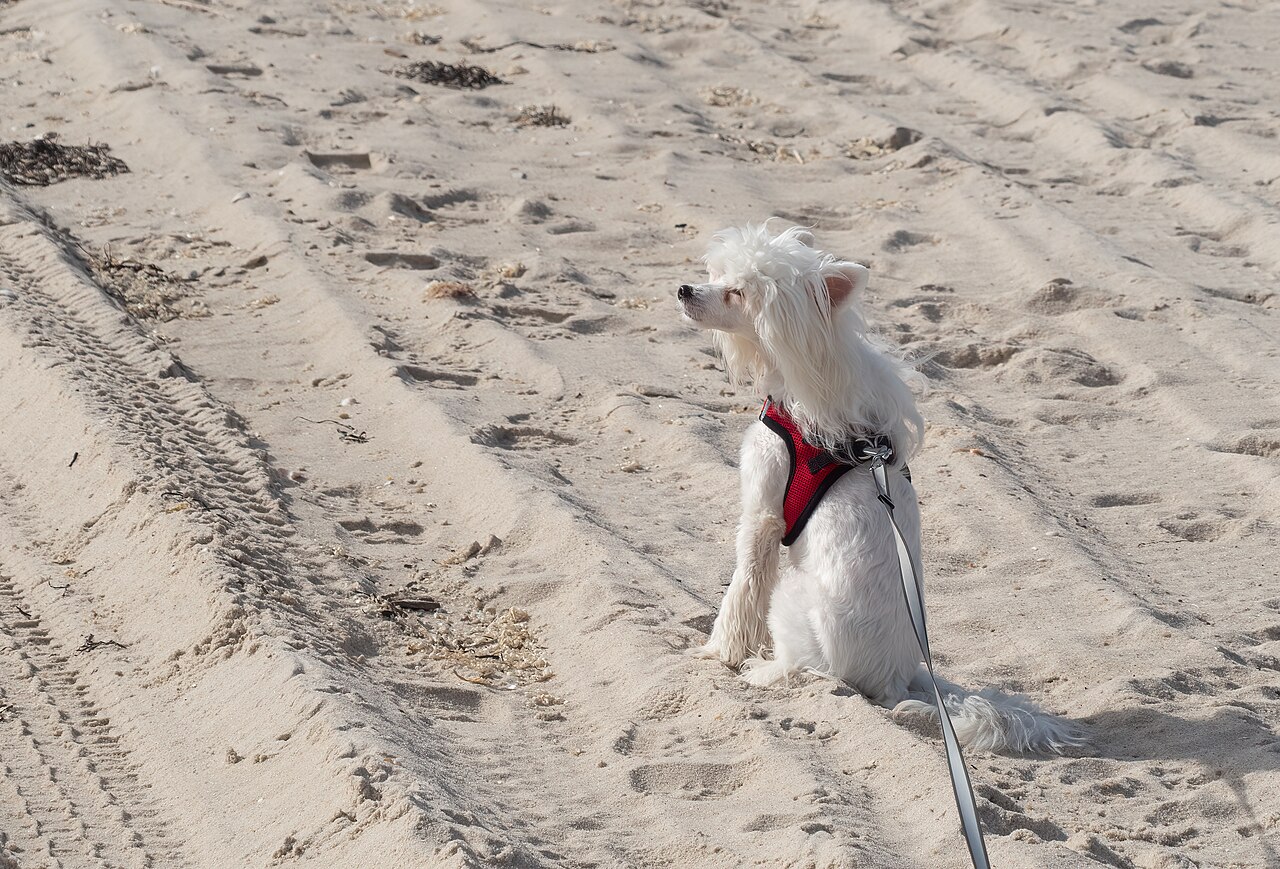
One of the most surprising facts about this breed is that a single litter can contain two very different-looking puppies. There are two coat varieties, and both are equally “purebred.”
- Hairless: Mostly smooth, exposed skin with tufts of hair on the head (the crest), the tail (the plume), and the lower legs (often called socks).
- Powderpuff: Fully covered in a soft, fine double coat that gives the dog a silky, veiled appearance.
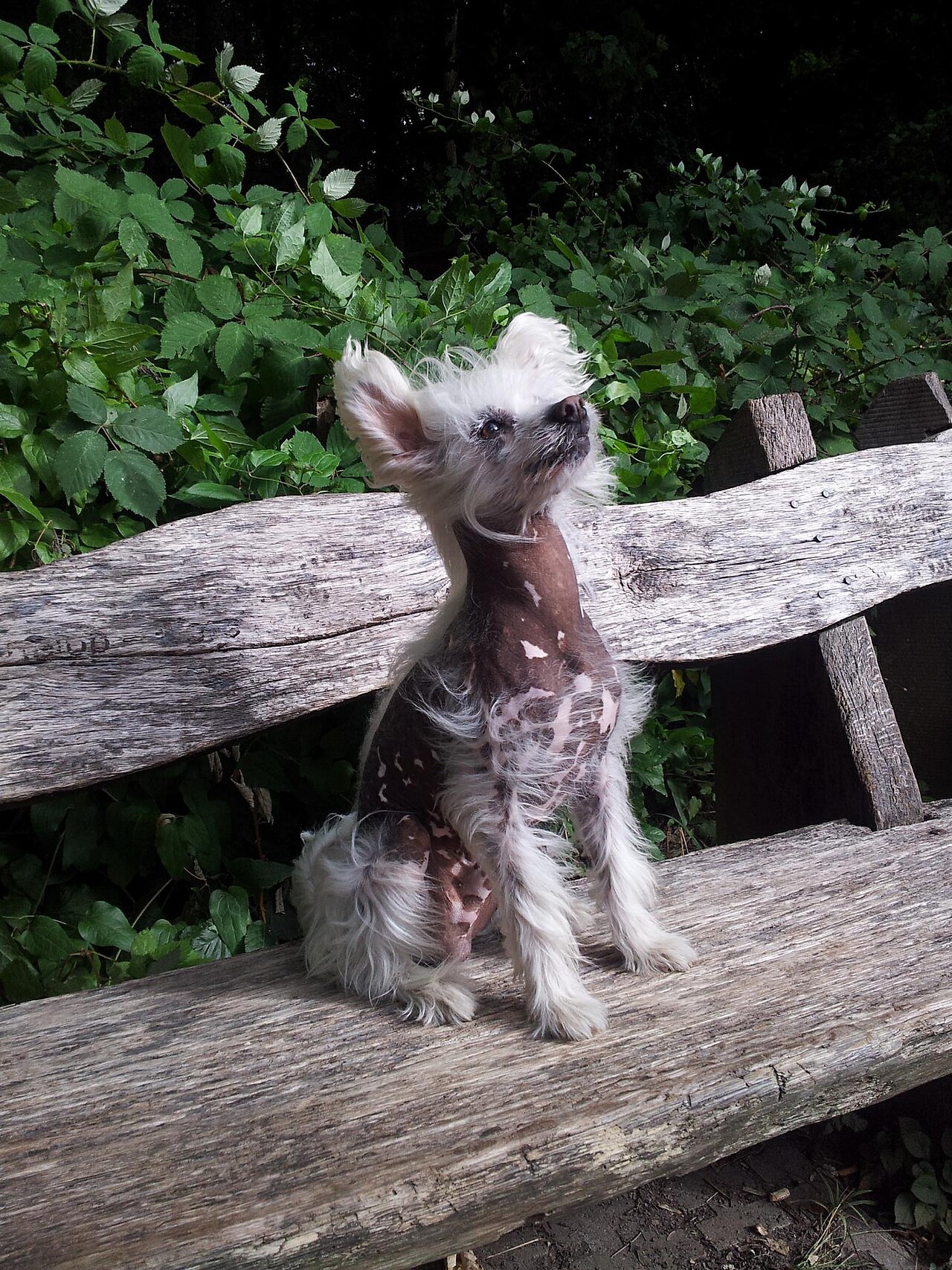
Neither variety is better than the other: the choice often comes down to grooming preference and how much skin care an owner wants to take on. Many breeders keep both types in their lines because the two coats are genetically linked.
Temperament and Personality
Chinese Cresteds are affectionate, playful, and deeply attached to their people. They tend to bond closely with their families and often prefer to follow their owners from room to room rather than spend long stretches alone. Many owners describe them as sensitive and emotionally tuned-in, which makes them rewarding companions but also means they can struggle with long periods of isolation.
They generally get along well with gentle children and other pets when introduced properly. Because they are small and somewhat delicate, calm, supervised interactions tend to work best. Early socialisation can help a shy Crested grow into a confident, well-adjusted adult.
Exercise and Daily Life
The AKC rates this toy breed as moderately energetic, but its exercise needs are modest. A couple of short walks and some indoor play are usually enough to keep a Chinese Crested happy and healthy. Many enjoy learning tricks and simple games, and their eagerness to please can make training sessions a fun way to bond. They tend to adapt well to apartment living, provided they get regular companionship and mental stimulation.
Grooming and Skin Care
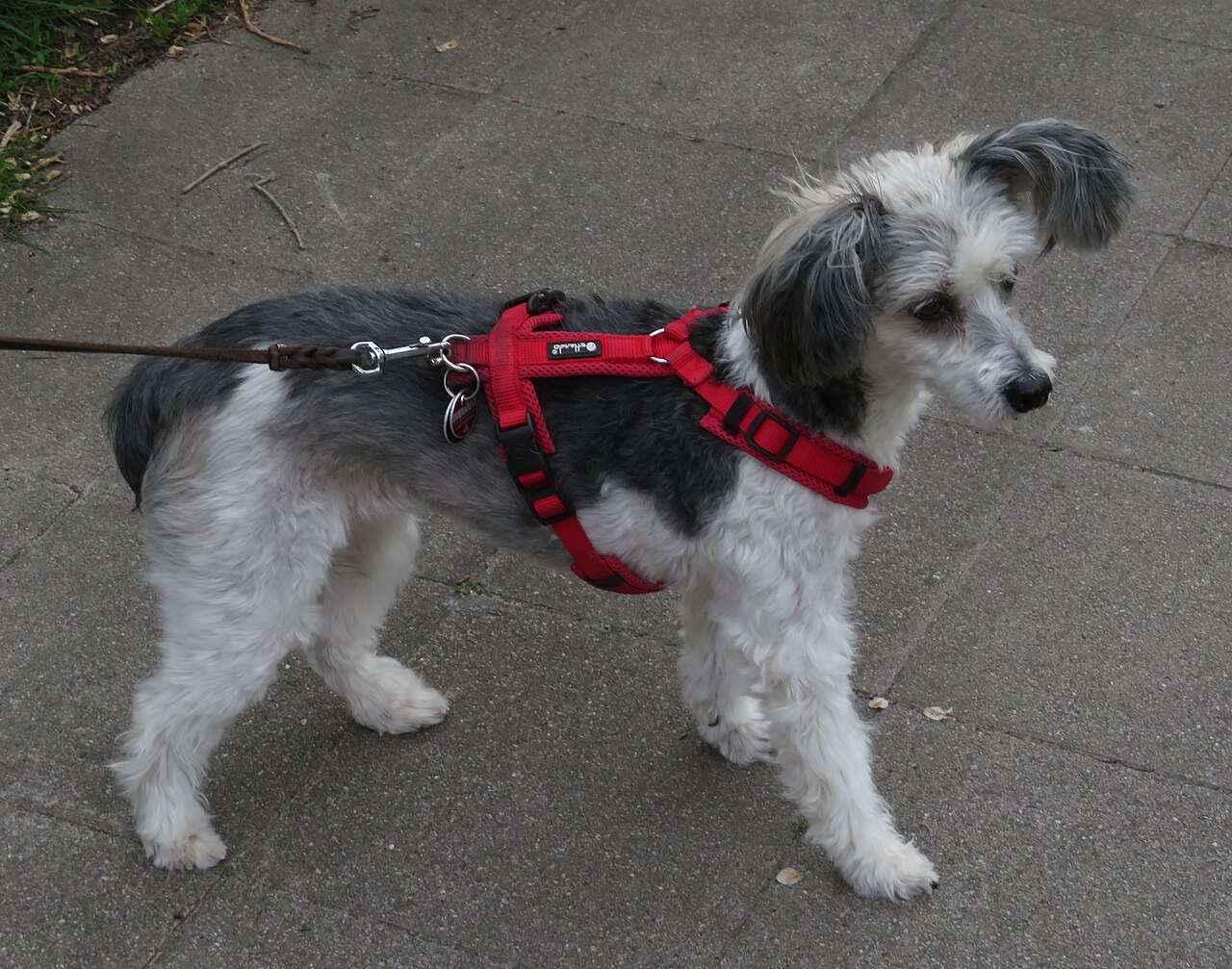
Grooming depends heavily on which coat your dog has. Powderpuffs need regular brushing to prevent their fine hair from matting and tangling. Hairless Cresteds, on the other hand, need skin care rather than coat care. Their exposed skin can be prone to dryness, blackheads, and sunburn, so many owners bathe them regularly and apply a dog-safe moisturiser.
Because the bare skin has little natural protection, sun exposure is worth managing carefully. Dog-safe sunscreen or light protective clothing can help on bright days. As with any skin-care routine, it is a good idea to ask your veterinarian which products are appropriate for your individual dog.
Health Considerations
Chinese Cresteds are often long-lived for a dog, with the AKC giving a life expectancy of around 13 to 18 years. Like every breed, they can be prone to certain health concerns, and being aware of them helps owners catch problems early.
- Dental health: The hairless variety in particular can have irregular teeth and thinner enamel, so regular tooth brushing and dental checkups are commonly recommended.
- Skin issues: Sunburn, dryness, and irritation can affect hairless dogs more than most breeds.
- Eye conditions: Some lines may be predisposed to inherited eye problems such as primary lens luxation and progressive retinal atrophy, which is why reputable breeders screen their dogs; the AKC also recommends kneecap (patella) and heart checks.
- Allergies: A few individuals may show sensitivities that lead to itching or other mild symptoms.
This information is general in nature and is not a substitute for professional care. Consult a licensed veterinarian for diagnosis or treatment specific to your pet, and consider working with a responsible breeder who performs recommended health screenings.
Is the Chinese Crested Right for You?
A Chinese Crested can be a wonderful fit for someone who wants a small, devoted companion and does not mind a slightly higher grooming or skin-care commitment, especially with the hairless variety. They thrive on attention and tend to do best in homes where they are not left alone for long hours. For owners who can offer steady companionship, gentle handling, and consistent care, this quirky and loving little dog often becomes a cherished member of the family.
Final Thoughts
The Chinese Crested is living proof that looks can be deceiving. Beneath that one-of-a-kind appearance is a warm, sensitive, and playful companion that asks for little more than your time and affection. Whether you are drawn to the striking hairless type or the soft-coated powderpuff, this breed offers a lot of personality in a very small package, and a bond that many owners say is hard to match.