If your dog’s walks have gotten shorter and the flea treatment has quietly slipped a month or two, you’re far from alone. Industry surveys suggest winter is when a lot of us let our pet routines drift, and our dogs can pay for it. The good news is that a few small habits, kept up through the cold months, make almost all of the difference.
The winter assumption that’s leaving dogs exposed
A 2026 consumer survey commissioned by animal health company Zoetis Australia reported that a sizeable minority of Australian dog owners say their dog isn’t currently on any parasite protection. A big part of the problem is a tempting but mistaken belief: that fleas, ticks and worms simply switch off once the weather cools down.
They don’t. The RSPCA recommends flea prevention throughout the year, noting that heated homes keep conditions favourable for fleas, and in most of Australia’s climate parasites stay active all year. Fewer walks and more time on the couch lowers the risk a little, but it doesn’t remove it. Intestinal worms such as hookworm, roundworm and tapeworm can still be picked up in the backyard, and fleas happily breed indoors in a warm, heated home.
It’s not just parasites: winter routine slips add up
Plenty of owners also change their exercise or walking routine over winter. When the routine changes, other healthy habits tend to slip with it: the monthly parasite dose, regular grooming, and keeping an eye on your dog’s weight.
Less movement and the same dinner portions are a quick path to winter weight gain, which puts extra strain on joints already feeling the cold. Wet, muddy walks also mean more matting, and grass seeds and ticks can hide in a coat that isn’t being checked as often.
Paralysis ticks don’t take a winter holiday
Paralysis ticks are found along the eastern seaboard from North Queensland down to Victoria. In southern areas their season generally runs from spring to late autumn, but in northern areas they can be present all year, and winter cases do turn up. Because the toxin can affect a dog quickly, the RSPCA recommends a thorough daily search of your dog’s skin and coat, even when you’re using a tick-control product. Early signs are easy to miss, so it pays to know them:
- A change in the sound of the bark, or a softer, quieter voice
- Wobbliness or weakness, often starting in the back legs
- Reluctance to stand, jump or move around as usual
- Excessive drooling, gagging, coughing or vomiting
- Heavy or noisy breathing and panting
If you find a tick or notice any of these signs, contact your vet or an emergency animal hospital straight away. Tick paralysis is serious and potentially fatal. Never use a dog tick product on a cat, as some can kill cats.
A simple winter check-in for your dog
You don’t need to overhaul anything. Keeping these five habits going through the cold months covers most of the risk:
- Keep parasite protection on schedule. Pop a recurring reminder in your phone so a missed dose doesn’t become a missed season. Ask your vet for a product matched to your dog’s age, location and lifestyle.
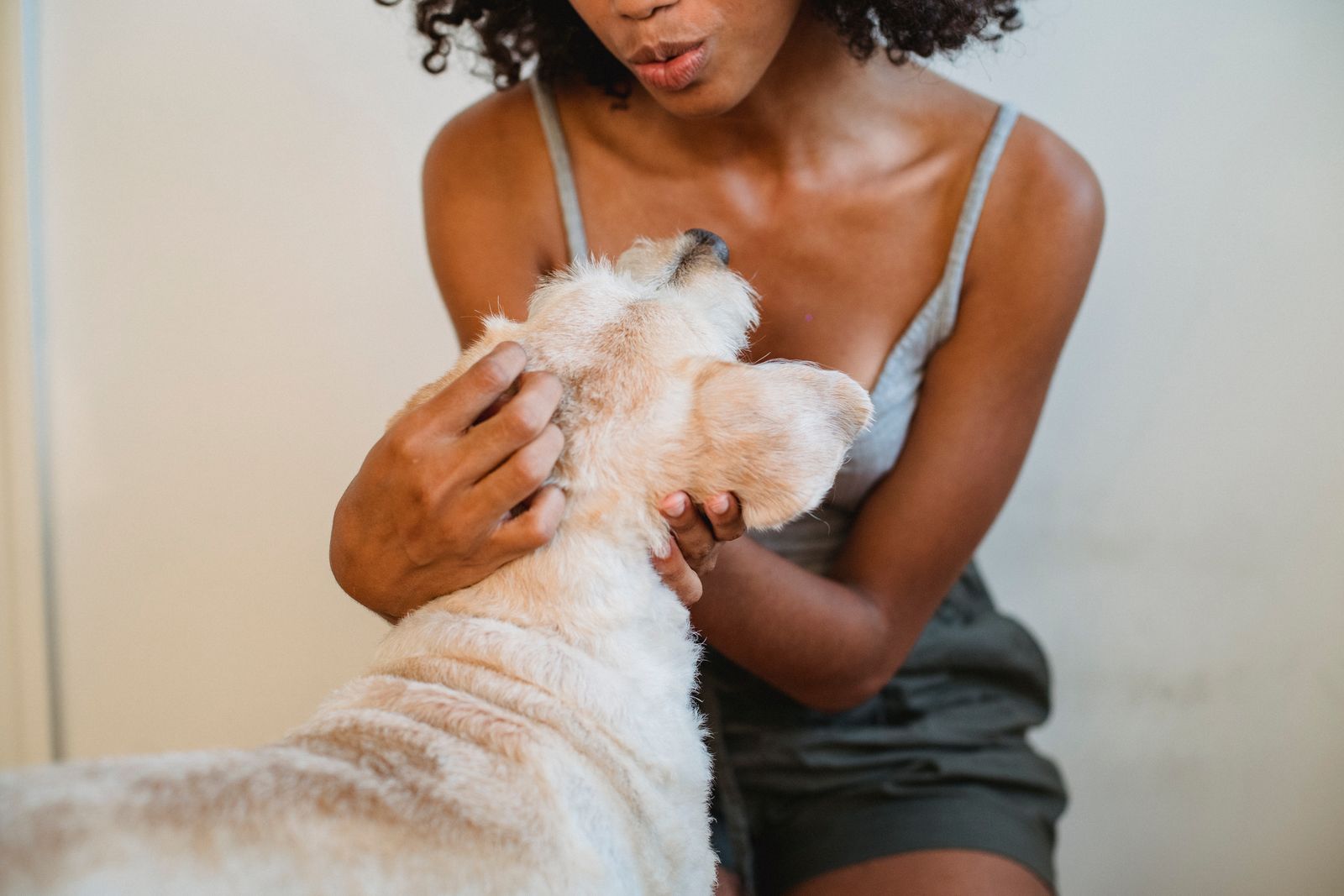
- Do a daily hands-on check. A quick rub-down after walks helps you find ticks, grass seeds, lumps or sore spots early.
- Match food to activity. If the walks are shorter, ease back on portions and treats to avoid creeping weight gain.
- Keep moving, even indoors. Short walks between showers, plus a bit of indoor enrichment, keeps body and mind ticking over.
- Stay on top of grooming. Regular brushing prevents matting and gives you another chance to spot anything unusual.
Frequently asked questions
Do dogs really need flea and tick protection in winter?
In most of Australia, yes. Fleas, ticks and worms can stay active year-round, and fleas breed easily in warm indoor homes. Year-round protection is the simplest way to avoid gaps: your vet can recommend the right product and interval for your area.
Are paralysis ticks a risk in winter?
They’re less common than in the warmer months in southern areas, but in northern parts of the east coast ticks can be present all year. A daily skin-and-coat check, alongside a suitable tick-prevention product, remains the best protection.
How do I stop my dog gaining weight over winter?
Adjust meal and treat portions to match reduced activity, keep up regular movement where you can, and weigh or body-condition check your dog every few weeks so small changes don’t add up unnoticed.
Key takeaways
- Some Australian dogs are going without parasite protection, often due to a winter “low-risk” assumption.
- Fleas, ticks and worms can stay active all year in much of Australia: keep protection going through winter.
- Paralysis ticks still appear on the east coast in winter; check your dog’s skin and coat daily.
- Shorter walks can lead to weight gain and grooming slips: adjust food and keep up regular checks.
This article is general information only and isn’t a substitute for professional advice. Consult a licensed veterinarian for diagnosis or treatment specific to your pet.