
Yes, dogs can eat cucumber. Plain, washed cucumber is non-toxic to dogs, very low in calories and mostly water, which makes it one of the best treat swaps for a hot Australian summer or a dog on a weight-loss plan. Cut it into pieces that suit your dog’s size, keep the amount modest, and never share pickles, tzatziki or salads dressed with onion and garlic.
Most “can my dog eat this?” questions are about whether a food is safe. With cucumber, the more useful question is how to use it well: as a crunchy, cooling replacement for higher-calorie snacks when the weather heats up and everyone is eating outside. This guide covers the swap, the right way to cut it, and the cucumber-based foods that cause problems.
Why cucumber works as a summer treat
The American Kennel Club notes that cucumbers are about 96% water, very low in sodium and fat-free. A half cup of cucumber slices has about 8 calories, compared with about 40 in a medium dog biscuit. The ASPCA also lists the cucumber plant as non-toxic to dogs and cats, so a dog that nibbles a cucumber from the veggie patch is not in danger from the plant itself.
That combination of crunch, water and very few calories is what makes cucumber useful. It will not replace drinking water or keep your dog cool on its own, but it lets you reward and engage your dog on hot days without adding much to the daily food total.
Low-calorie summer treat swaps
Vets generally recommend that treats make up no more than 10% of a dog’s daily calories. Summer is when that budget tends to blow out: barbecue scraps, sausage ends and handfuls of chips add up quickly. Swapping some of those extras for fruit and vegetables keeps the reward without the calories. The University of California, Davis veterinary nutrition service notes that fruits and vegetables are good options for many dogs since they are usually low in protein, fat, sodium and phosphorus.
| Treat | Approximate calories | Source |
|---|---|---|
| Medium dog biscuit | About 40 | AKC |
| Cucumber slices, half a cup | About 8 | AKC |
| Raw baby carrots, 50 g | 18 | UC Davis |
| Boiled zucchini, 180 g (three-quarters of a cup) | 28 | UC Davis |
| Diced watermelon, 76 g (half a cup) | 23 | UC Davis |
| One medium strawberry | 4 | UC Davis |
Figures are taken from the AKC cucumber guide and the UC Davis treat guidelines. Cucumber sits at the very bottom of the list, which is why it is such an easy swap. If you want a sweeter option on a hot day, our guide to watermelon for dogs covers how to serve it safely.
Cucumber and weight loss
The RSPCA describes obesity as one of the common health problems in Australian dogs, with links to diabetes and heart failure and a tendency to make arthritis worse. The AKC calls cucumbers especially good for overweight dogs, as part of a plan that also includes exercise and diet changes.
A few practical ideas:
- Swap one or two of your dog’s usual training treats for cucumber cubes on a walk or during a training session.
- Keep a container of pre-cut cucumber in the fridge so the easiest thing to grab at the barbecue is the healthy one.
- Give family members, especially kids, cucumber pieces to hand out instead of food from their plates.
Cucumber helps most when it replaces something, not when it is added on top. Our guide to safe pet weight loss explains how to set a treat budget and why a vet check comes first.
How to cut cucumber for your dog
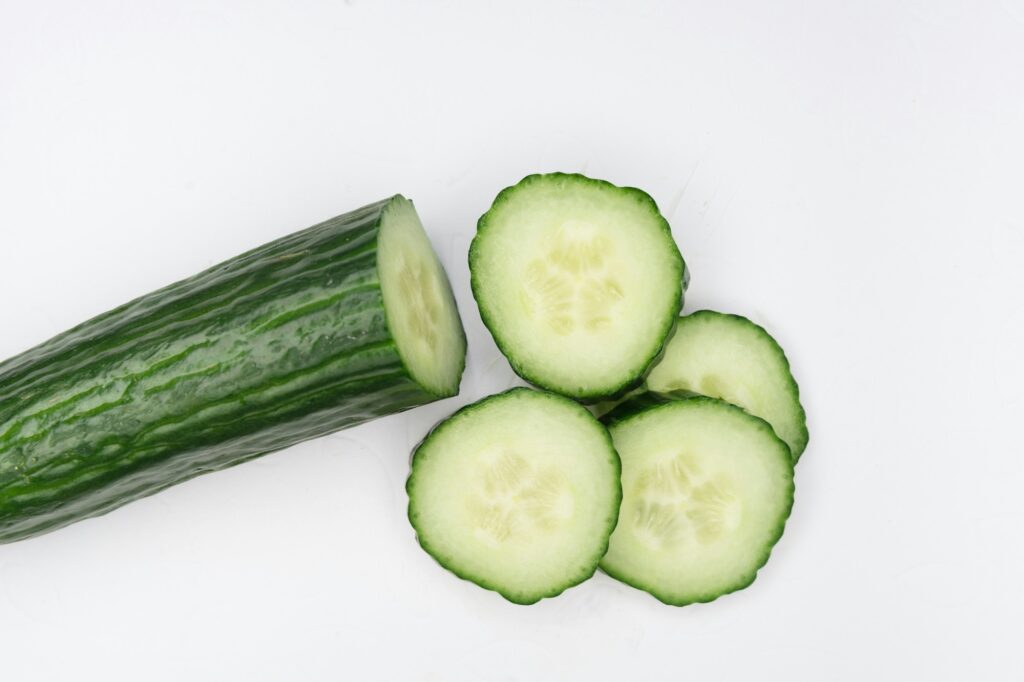
The AKC advises washing cucumbers thoroughly, then slicing them into pieces sized for your dog and their chewing habits, and not feeding a whole cucumber. Some simple guidelines:
- Toy and small breeds: thin half-moons or small cubes, smaller than a fingernail.
- Medium dogs: thin rounds or cubes about the size of a regular training treat.
- Large dogs that chew: thicker rounds or spears are fine, under supervision.
- Gulpers of any size: go smaller than you think, or scatter pieces so your dog has to slow down and sniff them out.
Chilled and frozen ideas
- Pop cucumber cubes in the fridge so they are cold and crisp on a hot afternoon.
- Freeze small cucumber pieces in an ice cube tray with water for a cooling lick-and-crunch treat.
- Add a few cubes to your dog’s water bowl. The RSPCA suggests adding ice cubes to keep water cold and putting out an extra bowl or two in case one gets knocked over.
- Thread cucumber into a slow feeder or lick mat alongside your dog’s usual food.
None of these replace shade, plenty of water and avoiding exercise in the heat of the day. Our heatstroke guide covers the warning signs to watch for as temperatures climb.
Choking and gulping: the real physical risks
Cucumber is soft compared with bones or hard chews, but a big chunk swallowed whole can still lodge in the throat. The AKC notes that small dogs and fast eaters have a higher choking risk, which is why piece size matters.
Gulping food in general is also worth discouraging in large, deep-chested breeds. The Merck Veterinary Manual lists rapid eating and once-daily feeding among the risk factors for gastric dilatation and volvulus (bloat), a life-threatening emergency. Cucumber is not a known cause of bloat, but a dog that wolfs down a big pile of anything is a dog to slow down. If you share a Great Dane or German Shepherd’s life, read our guide to bloat warning signs.
Too much cucumber at once can also cause a stomach upset, particularly if your dog is not used to it. The AKC recommends introducing it gradually and watching for signs of discomfort.
Pickles: why the jar is off-limits
A pickle starts as a cucumber, but the brine changes everything. The AKC says to avoid pickles because they typically contain added salt, spices and other ingredients that dogs do not need. The main concerns are:
- Salt: the ASPCA warns that too much salt can cause excessive thirst and urination and, in toxic amounts, vomiting, diarrhoea, tremors and seizures.
- Garlic: many dill pickles and pickle spears are flavoured with garlic. The Merck Veterinary Manual notes that raw, cooked, dried and powdered garlic and onion can all cause poisoning, and that garlic is three to five times more toxic than onion.
- Onion: bread-and-butter pickles and relishes often include sliced onion.
- Sugar and vinegar: sweet pickles and relishes add sugar, and the sharp vinegar can upset a sensitive stomach.
A dog that steals one pickle from a burger is unlikely to need treatment, but do not offer them as a treat, and call your vet if your dog has eaten a large amount, garlic-heavy pickles, or shows vomiting, weakness or excessive thirst.
Cucumber in salads, tzatziki and dips
Summer cucumber often comes mixed with things that are not safe for dogs. Before you share from a salad bowl or platter, check what else is in it.
- Tzatziki: made with garlic and yoghurt. Garlic is the main concern, and the ASPCA notes that pets do not have much lactase, so dairy can cause diarrhoea.
- Greek salad, garden salad and coleslaw: often include red onion, spring onion or chives, plus salty feta, olives and dressings.
- Cucumber with dips: French onion dip, hummus and garlic-heavy dips are not suitable. Guacamole has its own risks; see our guide to avocado and dogs.
- Sushi and rice paper rolls: the cucumber is fine, but sauces, wasabi and pickled extras are not.
Onion and garlic damage red blood cells, and the Merck Veterinary Manual notes that the resulting anaemia usually develops three to five days after exposure, so a dog can seem fine at first. Our onion and garlic guide covers the signs and what to do. The safest habit is to cut a few plain cucumber pieces for your dog before you dress the salad.
Can puppies eat cucumber?
Yes, in small amounts. Puppies need most of their calories from a complete puppy food, so cucumber should stay a tiny extra. Cut it into small, thin pieces, introduce it slowly, and supervise, because puppies are enthusiastic gulpers.
What about cats?
Cucumber is non-toxic to cats, so a nibble is harmless. However, cats are obligate carnivores that rely on nutrients found in animal products, and most have no interest in vegetables. There is no need to offer it, and the same rules apply to onion, garlic and salty foods. Merck notes that cats are the most susceptible species to onion and garlic poisoning.
Frequently asked questions
Should I peel cucumber for my dog?
There is no need to peel it for most dogs, but wash it well. Peeling can make pieces softer and easier to manage for small dogs or puppies.
How much cucumber can my dog have?
Keep all treats, cucumber included, within 10% of your dog’s daily calories. Because cucumber is so light, the practical limit is usually your dog’s stomach rather than calories: start with a few pieces and increase only if stools stay normal.
My dog ate a pickle. Should I worry?
One plain pickle is unlikely to cause serious harm in a healthy dog, but offer fresh water and watch for vomiting, diarrhoea or unusual thirst. If the pickles contained garlic or onion, your dog ate several, or your dog is small, call your vet for advice.
Key takeaways
- Plain, washed cucumber is non-toxic, about 96% water and very low in calories, which makes it a strong summer treat swap.
- Use it to replace higher-calorie treats, not to add on top, especially for overweight dogs.
- Cut pieces to suit your dog’s size and eating speed to reduce choking risk, and discourage gulping in large, deep-chested breeds.
- Pickles, relishes, tzatziki, dips and dressed salads are off the menu because of salt, garlic, onion and dairy.
- Puppies can have small pieces under supervision; cats can nibble but do not need it.
Sources
- American Kennel Club: Can Dogs Eat Cucumbers?
- American Kennel Club: How Many Treats Can a Dog Have?
- UC Davis Veterinary Medical Teaching Hospital, Nutrition Support Service: Treat guidelines for dogs
- ASPCA: Cucumber (Cucumis sativus)
- ASPCA: People Foods to Avoid Feeding Your Pets
- RSPCA Australia Knowledgebase: How do I tell if my dog is overweight?
- RSPCA Australia: 4 ways to keep your dog cool this summer
- Merck Veterinary Manual: Garlic and Onion (Allium spp) Toxicosis in Animals
- Merck Veterinary Manual: Gastric Dilation and Volvulus in Small Animals
- Cornell Feline Health Center: Feeding Your Cat
This article is general information for Australian pet owners and is not a substitute for advice from a registered veterinarian who has examined your pet. If your dog has eaten something you are worried about, call your vet or nearest emergency vet straight away.