Can dogs eat avocado? A small taste of plain, ripe avocado flesh is unlikely to poison a dog, because dogs appear relatively resistant to persin, the natural toxin in avocado. The real dangers are the large pit, which can cause a choking or bowel blockage, the skin and leaves, the high fat content, and guacamole or smashed avo that contains onion, garlic or salt. Avocado is not a treat you need to give, and the pit, peel and anything seasoned should be kept well out of reach.
Australians love an avo. Smashed avocado on toast is a café staple, guacamole turns up at every summer barbecue, and plenty of Aussie backyards have an avocado tree dropping fruit onto the lawn. That means plenty of chances for a dog to snaffle some. Here is what the evidence actually says, and what to do if your dog swallows a pit.
What is persin, and is it toxic to dogs?
Persin is the compound in the avocado plant that causes poisoning in some animals. The MSD Veterinary Manual describes it as the toxic principle in avocado and notes that leaves are the most toxic part of the plant, with fruit, stems and seeds also associated with poisoning. Guatemalan varieties are the ones most commonly linked to toxicosis.
The important point for dog owners is that species differ a lot. The same manual states that dogs seem relatively resistant compared with other species, and that only a single case report exists of two dogs developing heart muscle damage after eating avocado. Pet Poison Helpline’s page says avocado is non-toxic to dogs and cats, and the ASPCA lists avocado as primarily a problem for birds, rabbits, donkeys, horses and ruminants such as sheep and goats.
That does not make avocado a health food for dogs. The American Kennel Club notes that the pit, leaves and skin contain persin, and while dogs are more tolerant of it than some animals, it can still cause mild stomach upset. So the honest answer is that persin is a minor concern for dogs, and the other risks below matter much more.
Dogs vs birds, horses and livestock
If you have other animals at home, this is where avocado gets genuinely dangerous.
| Animal | Avocado risk |
|---|---|
| Dogs | Relatively resistant to persin. Main risks are pit obstruction, fat and seasoned foods. |
| Cats | Listed as non-toxic by Pet Poison Helpline, though fatty human food is still not a good idea. |
| Pet birds | Caged birds seem more susceptible. Budgerigars died within 48 hours after eating 8.7 g of mashed fruit in reported cases. |
| Horses | Fruit or leaves have been linked to heart injury, colic and swelling of the head, tongue and chest. |
| Goats, sheep, cattle | Susceptible, especially to the leaves. Effects include mastitis and heart damage. |
| Rabbits | Listed as susceptible. |
Figures and species details are from the MSD Veterinary Manual, Pet Poison Helpline and the ASPCA. If you keep a pet bird, rabbit, backyard goat or horse, never share avocado or let them graze under an avocado tree. The MSD manual also notes that no tests are currently available to diagnose avocado toxicosis and treatment is limited to managing signs.
The real risks of avocado for dogs
1. The pit (seed)
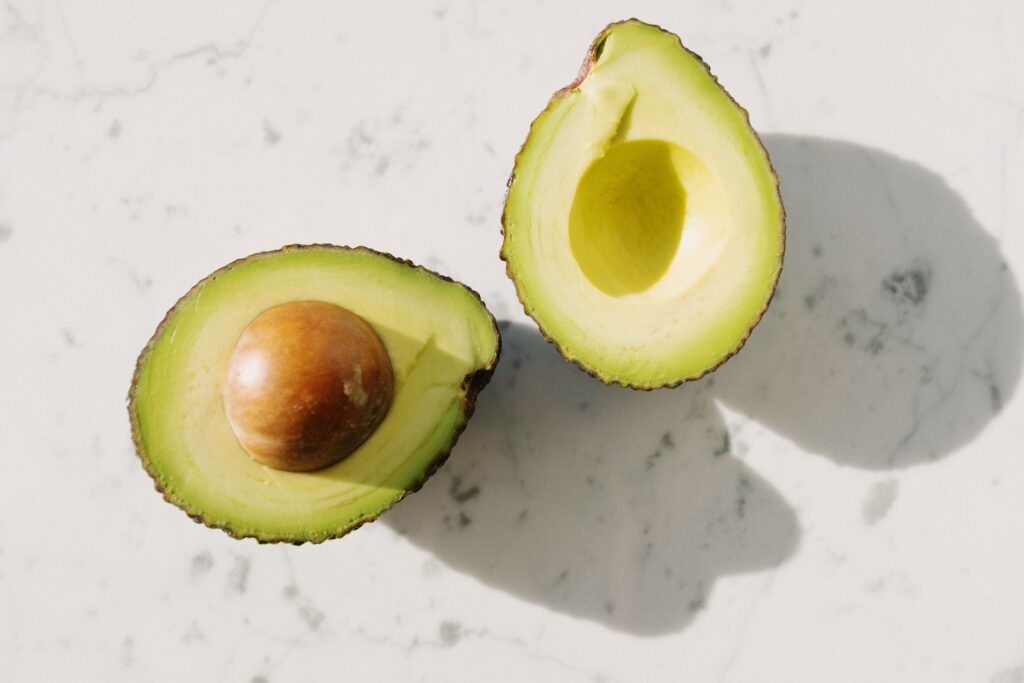
This is the big one. An avocado seed is large, round, hard and slippery: roughly the perfect size to lodge in a dog’s throat, stomach or intestines. The MSD Veterinary Manual warns that dogs swallowing the intact pit can develop a foreign body obstruction of the gastrointestinal tract, and the AKC notes it can also be a choking hazard. Medium and large dogs that gulp food are the ones most likely to swallow one whole.
2. The skin and leaves
The tough, leathery skin is hard to digest and contains persin, and the leaves are the most persin-rich part of the plant. The AKC advises always avoiding the pit, skin and leaves.
3. Fat and pancreatitis
Avocado is very high in fat. The AKC says the fat content can cause weight gain and pancreatitis, and recommends skipping avocado altogether for dogs that are overweight or prone to pancreatitis. VCA Animal Hospitals explains that pancreatitis may be triggered in some cases by a fatty meal and can cause vomiting, diarrhoea, abdominal pain and lethargy. We covered this in detail in our piece on fatty food and pancreatitis in dogs, and the risk is the same with a bowl of leftover guac at a summer party.
4. Guacamole, smashed avo and seasoned dishes
The avocado is often the least of the worries. The AKC points out that guacamole generally contains onion and garlic, which are toxic to dogs. The ASPCA explains that onion, garlic and chives can cause gastrointestinal irritation and red blood cell damage leading to anaemia. Smashed avo on toast frequently comes with feta, chilli, lemon, salt or garlic oil. Our guide to onion and garlic dangers for pets explains the signs to watch for.
If you do share: how much plain avocado?
There is no nutritional need for a dog to eat avocado, and many vets would simply say skip it. If your healthy adult dog gets a lick of plain flesh, keep it tiny. The AKC suggests no more than 1 teaspoon per 10 pounds (about 4.5 kg) of body weight, and only occasionally. Plain flesh only: no pit, skin, oil, salt or toppings. Avoid it entirely for dogs with a history of pancreatitis, sensitive stomachs or weight problems.
For a lower-fat summer fruit treat, see our guide to feeding dogs mango safely, which comes with its own seed and skin rules.
My dog ate an avocado pit: what to do
- Check your dog is breathing normally. Choking, gagging, pawing at the mouth or distress is an emergency. Go to your vet or nearest emergency vet immediately.
- Work out what was eaten. A whole pit, pieces of pit, skin, or a bowl of guacamole? Note the time and roughly how much.
- Call your vet or nearest emergency vet straight away, even if your dog seems fine. They can advise whether to come in now.
- Do not try to make your dog vomit at home unless a vet tells you to. The ASPCA warns that inducing vomiting at home can be dangerous, and methods like salt or fingers down the throat can cause serious harm.
- Watch for signs of a blockage over the following days. VCA lists vomiting, diarrhoea, abdominal pain, reduced appetite, straining to pass stool and lethargy, and stresses that time is critical because an obstruction can cut off blood supply to the gut.
VCA explains that vets usually take a history, examine the dog and take abdominal X-rays. Some objects pass on their own with monitoring and fluids, but surgery is generally recommended when an obstruction is diagnosed or suspected.
Backyard avocado trees and dogs
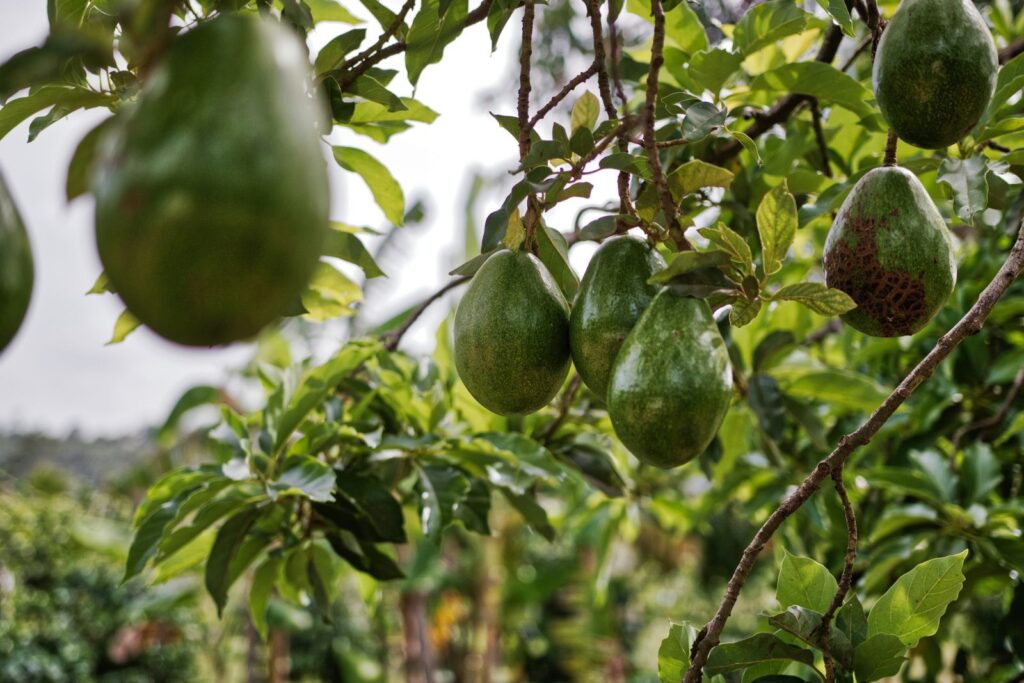
If you have an avocado tree, the fallen fruit is the main hazard: dogs may chew whole avocados, swallow the pit, or eat overripe, mouldy fruit. A few practical steps help:
- Pick up fallen fruit daily, especially in peak fruiting season.
- Fence off the area under the tree if your dog is a scavenger, or supervise garden time.
- Do not let dogs chew on fallen leaves or prunings, since the MSD Veterinary Manual identifies leaves as the most toxic part of the plant.
- Keep the compost bin closed. Pits and peels are tempting to dogs.
- Keep backyard chickens, ducks, pet birds, rabbits and goats well away from the tree and from avocado scraps.
Frequently asked questions
Is avocado poisonous to dogs?
Not in the way it is for birds or horses. The MSD Veterinary Manual says dogs seem relatively resistant to persin. The pit, fat content and seasoned avocado dishes are the main dangers.
Can dogs eat guacamole?
No. Guacamole usually contains onion and garlic, which the ASPCA says can damage red blood cells, plus salt, chilli and lime. Call your vet if your dog eats a bowlful.
Will a dog pass an avocado pit on its own?
Sometimes, but you cannot count on it. The pit can cause an intestinal obstruction, which VCA describes as potentially life-threatening. Call your vet as soon as you know it has been swallowed.
Is avocado oil safe for dogs?
Avocado oil is pure fat. The AKC notes that frequent use can increase the risk of weight gain or pancreatitis, so do not add it to your dog’s food without vet advice.
Key takeaways
- Dogs appear relatively resistant to persin, so a small taste of plain avocado flesh is unlikely to poison them.
- The pit is the biggest danger: it can cause choking or a gut blockage. Call your vet if your dog swallows one.
- Avocado is high in fat and can contribute to pancreatitis, especially in dogs already prone to it.
- Never share guacamole or seasoned smashed avo, which often contain onion, garlic and salt.
- Avocado is genuinely toxic to pet birds, rabbits, horses, goats and sheep. Keep them well away from avocado and avocado trees.
Sources
- MSD Veterinary Manual: Avocado (Persea spp) Toxicosis in Animals
- Pet Poison Helpline: Avocado
- ASPCA: People Foods to Avoid Feeding Your Pets
- American Kennel Club: Can Dogs Eat Avocado?
- VCA Animal Hospitals: Pancreatitis in Dogs
- VCA Animal Hospitals: Ingestion of Foreign Bodies in Dogs
- ASPCA: Is It Ever Safe to Induce Vomiting?
This article is general information only and is not a substitute for advice from a registered veterinarian. If your dog has eaten an avocado pit, guacamole or anything you are worried about, contact your vet or nearest emergency vet straight away.