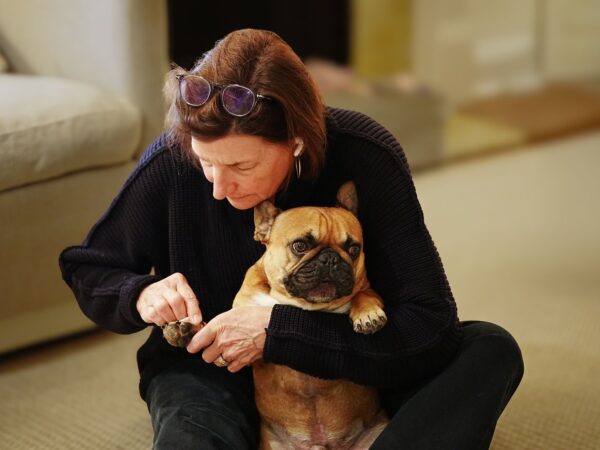

If you are going away over Christmas, sort out your pet’s care now. December and January are the busiest holiday period in Australia, and good boarding kennels, catteries and pet sitters can book out well before the school holidays start. Booking early also gives you time to get vaccinations up to date (most facilities require them), visit the place in person and do a trial stay. The right choice between a boarding facility, an in-home pet sitter or a trusted friend depends on your pet’s personality, health and how well they cope with change.
This guide walks you through the options, vaccination requirements, what to check, what to pack, and how to help an anxious pet settle while you are away.
Why you should book early for Christmas
Christmas and the summer school holidays mean lots of families travelling at once, so demand for pet care peaks at exactly the time you need it. Booking in October or November, rather than in mid-December, gives you:
- A real choice of facility or sitter, rather than whoever has a spot left.
- Time for vaccinations. If your pet is overdue, your vet can bring them up to date before the booking. Protection from a vaccine is not instant, so leaving it to the last week can be too late for some facilities.
- Time for a visit and a trial stay. RSPCA Australia recommends a short trial stay where possible.
- Time to plan around the vet’s holiday hours. Many clinics run reduced hours over Christmas and New Year, so book any pre-boarding checks early.
Boarding, pet sitter or friend: which is best?
RSPCA Australia suggests first asking whether your pet is likely to cope in a boarding environment. If they are stressed by change or other animals, a trusted, reputable pet sitter who stays in your home may be a better option.
| Option | Best for | Things to weigh up |
|---|---|---|
| Boarding kennel or cattery | Confident, healthy pets; owners who want staff on site and a set routine | New place, new smells and other animals nearby; vaccination and parasite rules apply; book early for peak dates |
| In-home pet sitter (live-in) | Anxious pets, older pets, multi-pet homes, cats who hate change | Pet stays in familiar surroundings; you need to trust someone in your home; check references and insurance |
| Drop-in visits (once or twice a day) | Independent adult cats who are contained indoors or in a catio | Not suitable for most dogs; long gaps alone; someone must check your pet daily |
| Friend or family member | Pets who already know and like the person | Free or low cost, but check they understand feeding, medication, containment and emergencies; their home must be secure |
| Vet clinic boarding | Pets with medical needs or medications | Vet care on hand; can feel clinical; ask about exercise and enrichment |
Cats deserve special thought. RSPCA Australia’s guidance on holidays and cats says cats can become stressed by travel and changes to their environment and routine. A sitter who stays or visits at least once or twice a day is ideal for cats who prefer minimal change. Whatever you choose, RSPCA says your cat’s health and wellbeing should be checked every day and they should be kept safely contained on the property.
Vaccination and health requirements
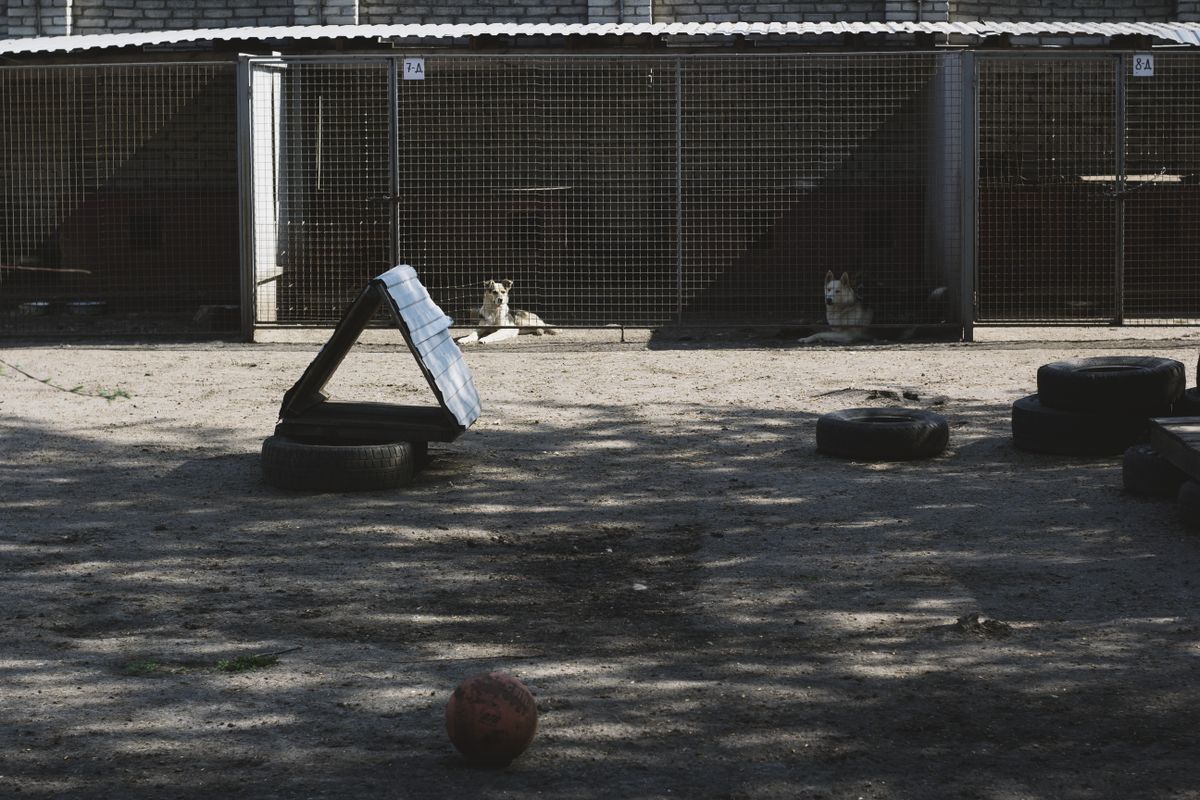
RSPCA Australia notes that most boarding facilities require pets to have up-to-date vaccinations, worming and external parasite (flea and tick) control. Always check each facility’s exact rules, as they can differ.
Dogs: C3, C5 and kennel cough
According to RSPCA Australia, the core C3 vaccine protects against canine distemper, canine adenovirus and canine parvovirus. The C5 adds protection against the main organisms behind kennel cough and is recommended for dogs who regularly mix with other dogs, including at boarding. Boarding kennels commonly require kennel cough protection, so check whether yours asks for a C5 (or a C3 plus a separate kennel cough vaccine).
Kennel cough spreads quickly where dogs are housed close together. The Merck Veterinary Manual describes it as usually mild but able to progress to serious pneumonia in puppies, and to chronic bronchitis in weak, ill or older dogs. It also notes that stress and environmental changes appear to make dogs more susceptible. Vaccination reduces the risk but cannot rule it out completely. Our guide to kennel cough in dogs explains the signs to watch for after a stay.
Cats: F3 and boosters within 12 months
RSPCA Australia recommends the core F3 vaccine, which protects against feline enteritis and the main cat flu viruses. It says cats who stay at a boarding cattery need an annual vaccination schedule, and that almost all catteries require a booster within 12 months before admission. If your cat’s last vaccine was more than a year ago, call your vet now. For a full rundown, see our guide to C3, C5, F3 and F4 vaccines.
Other health checks
- Health check: RSPCA recommends a recent vet check so any issues can be managed during the stay.
- Parasites: make sure flea, tick and worming treatments are current. In tick areas, tell the carer if your dog needs daily tick checks.
- Identification: RSPCA advises checking that your pet is registered, microchipped and tagged, with your contact details up to date. Our lost pet and microchip guide explains how to check.
What to check when you visit a boarding facility
RSPCA Australia recommends visiting in person, or asking someone you trust to do it, and talking to the staff. Use this checklist:
- Cleanliness and smell: clean runs or pens, fresh water, no strong odours.
- Heat management: Christmas falls in an Australian summer. Ask how they keep animals cool, and look at shade, airflow and temperature control. Our heatstroke guide explains why this matters.
- Daily routine: feeding times, exercise, play, one-on-one time with people, enrichment and cleaning.
- Security: solid fencing, double gates or doors, and safe escape-proof cat enclosures.
- Cats and dogs kept apart: cats are usually calmer when they cannot see or hear dogs.
- Vet care: which clinic do they use, including after hours and on public holidays? RSPCA advises making sure your pet will have access to vet care during the stay.
- Medications and special diets: can they give tablets, insulin or other treatment reliably?
- Fireworks and storms: ask how they support noise-sensitive pets on New Year’s Eve and during summer storms.
- References: RSPCA suggests asking other owners who have used the facility. Some RSPCA Care Centres and vet clinics also offer boarding or can recommend local options.
Choosing a pet sitter or friend
- Arrange a meet-and-greet before booking, as RSPCA suggests, so you can see how your pet responds.
- Ask for references and check whether a professional sitter has insurance and a police check.
- Agree on how often they will visit or stay, and whether dogs will be walked in the heat of the day (they should not be).
- Make sure they know your pet’s escape habits and how to keep cats contained.
- Leave written authority for your vet to treat your pet, and discuss how you will cover vet bills if something happens.
Costs
Prices for boarding and sitting vary widely across Australia depending on your area, the type of care, the size of your pet and any medication or extra services. Get written quotes from two or three providers and ask whether peak-season or public holiday surcharges apply over Christmas and New Year, what is included (walks, play sessions, giving medication), and the cancellation policy.
What to pack
- Your pet’s usual food, measured into daily portions, plus a little extra in case of travel delays
- Any medications, with clear written instructions
- Vaccination certificate and parasite treatment dates
- Your vet’s name and number, and an emergency contact who is staying in Australia
- A familiar blanket or bed that smells of home
- A favourite toy or two and a long-lasting chew or puzzle feeder (check what the facility allows)
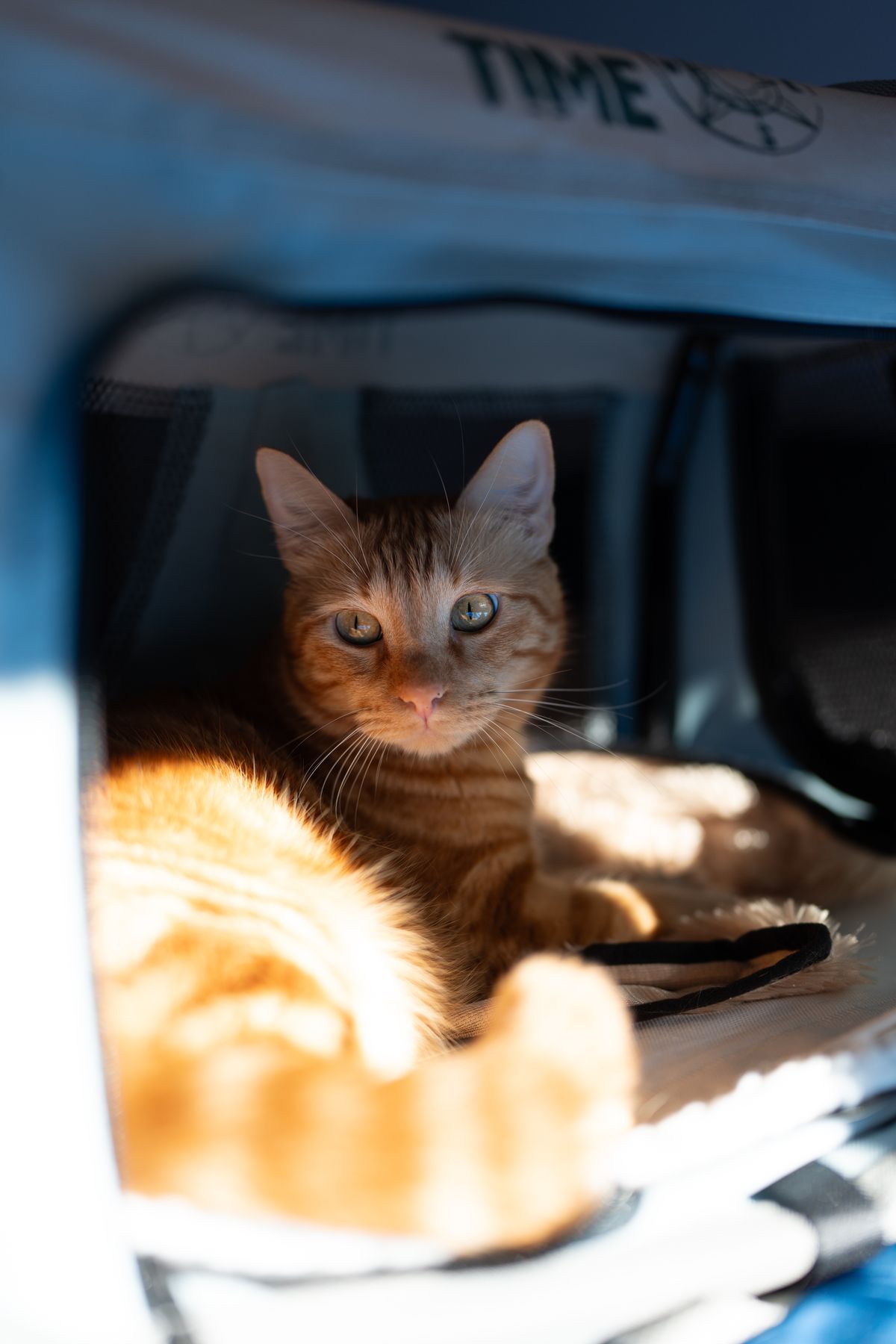
- For cats: a sturdy carrier, and ask whether you can bring their usual litter
- A note on your pet’s habits, fears and quirks
Preparing an anxious pet
- Do a trial stay of a night or two before the big booking.
- Practise short separations at home in the weeks before. Our guide to separation anxiety in dogs has step-by-step ideas.
- Get cats used to the carrier by leaving it open with bedding and treats inside.
- Keep drop-off calm and brief. A long, emotional goodbye can make your pet more unsettled.
- Keep the diet the same. A sudden switch on top of a new environment can upset tummies.
- Talk to your vet if your pet has a history of severe stress, as there may be extra support options.
- Consider a sitter instead if your pet is very anxious, elderly or unwell. Staying home is often easier on them.
When to call the vet
Mild tiredness or a soft poo after boarding is common. VCA Animal Hospitals lists stress after travel, boarding or other changes as a common cause of diarrhoea in dogs. Call your vet if your pet:
- Develops a honking cough, nasal discharge or breathing changes after a stay
- Has diarrhoea that is bloody or lasts more than a day or so, or comes with vomiting, lethargy or loss of appetite
- Stops eating (especially cats, who should not go without food for long)
- Has sneezing, runny eyes or mouth ulcers (possible cat flu)
- Seems very withdrawn or unwell in any way
Frequently asked questions
How early should I book pet boarding for Christmas?
As early as you can, ideally as soon as your travel dates are set. The December to January holidays are the busiest time of year, and popular facilities and sitters can fill up well in advance.
Does my dog need a C5 vaccine for boarding?
Many boarding kennels require protection against kennel cough as well as the core C3 diseases, usually given as a C5 or a separate kennel cough vaccine. RSPCA Australia recommends the C5 for dogs who go to boarding. Check the facility’s rules and ask your vet how far ahead the vaccine needs to be given.
What vaccination does my cat need for a cattery?
RSPCA Australia says almost all catteries require cats to have had a vaccination booster within 12 months before admission. The core vaccine is the F3.
Is a pet sitter better than a boarding kennel?
It depends on your pet. Sociable, confident pets often do well in boarding. Anxious, older or unwell pets, and many cats, usually cope better in their own home with a trusted sitter.
Can I leave my cat alone with a neighbour feeding them?
For a short trip, a reliable person visiting at least once or twice a day can work for an independent adult cat. RSPCA advises that your cat’s health should be checked every day and they should be kept safely contained.
Key takeaways
- Book Christmas pet care early, as December and January are peak season.
- Choose the option that suits your pet’s personality: boarding, a live-in sitter, visits, or a trusted friend.
- Most facilities need up-to-date vaccinations (C5 or C3 plus kennel cough for dogs, F3 within 12 months for cats), worming and flea and tick control.
- Visit in person, ask about heat management, routines and vet access, and do a trial stay if you can.
- Pack familiar items, the usual food, medications and clear contact details.
- Watch for coughing, diarrhoea or loss of appetite after a stay and call your vet if you are worried.
Sources
- RSPCA Australia Knowledgebase: How can I find a good boarding facility for my companion animal?
- RSPCA Australia Knowledgebase: Can I take my cat with me when I go on holiday?
- RSPCA Australia Knowledgebase: What vaccinations should my dog receive?
- RSPCA Australia Knowledgebase: What vaccinations should my cat receive?
- Merck Veterinary Manual: Tracheobronchitis (Bronchitis) in Dogs
- VCA Animal Hospitals: Diarrhea in Dogs
This article is general information for pet owners and is not a substitute for advice from a registered veterinarian. Vaccination and health requirements vary between boarding facilities, so check with your chosen provider and your local vet before you travel.