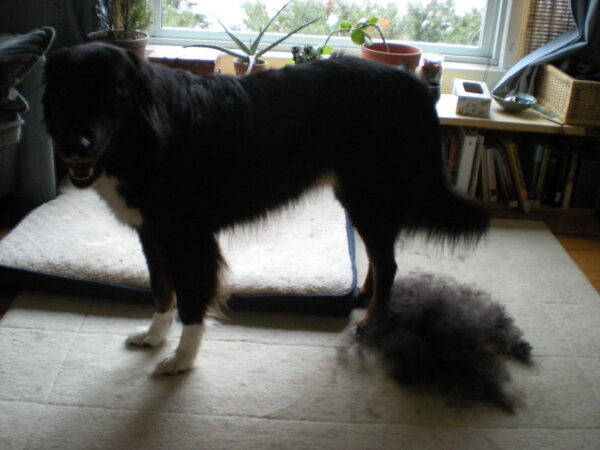

If your evening walks have shrunk to a quick dash around the block and your cat has claimed the warmest spot on the couch, you are not alone. Aussie winters bring shorter days, colder mornings and a very understandable urge to stay indoors. The trouble is that our pets slow down too, while their dinner bowls usually stay exactly the same size. Over a few cool months, that quiet mismatch can add up to real weight gain.
The good news is that winter weight creep is largely preventable with a few small, practical changes. Here is what every Australian pet owner should know.
Why winter is prime time for pet weight gain
In the colder months, most dogs and cats simply move less. Walks get shorter, backyard zoomies become rarer, and indoor cats spend even more time napping. When activity drops but food stays the same, the extra energy is stored as fat. Add in a few more warming treats and the occasional shared bit of dinner, and the kilos can sneak on without anyone noticing until the vet visit.
It is a gradual process, which is exactly why it is easy to miss. A pet that is only slightly heavier each fortnight can finish winter noticeably rounder than they started it.
How big is the problem in Australia?
Pet weight is one of the most common health issues vets see across the country. The Australian Veterinary Association has reported that around 4 in 10 pets are overweight or obese, and surveys of Australian veterinary practices have found a similar picture for dogs in particular. Cats are not far behind, with roughly one in three estimated to be carrying too much weight.
This matters because excess weight is linked to a range of health concerns, including joint strain, breathing difficulty and a higher risk of conditions such as diabetes in cats. One Australian study even found that dogs kept at a healthy body weight tended to live, on average, well over a year longer than their overweight counterparts. Keeping your pet trim is one of the simplest things you can do to support a longer, more comfortable life.
How to tell if your pet is gaining weight
The scales tell part of the story, but body condition is more useful for everyday checks. Vets use a body condition score, and you can do a simple version at home.
The hands-on test
- Ribs: Run your hands gently along your pet’s side. You should be able to feel the ribs easily, with only a thin layer of fat over them — a bit like feeling the back of your hand.
- Waist: Looking down from above, your pet should have a visible waist that tucks in behind the ribs.
- Tummy tuck: From the side, the belly should rise up towards the back legs rather than hang level or sag.
If the ribs are hard to find, the waist has disappeared or the belly is rounding out, it may be time to make a few adjustments. When in doubt, ask your vet to show you how to score your pet’s condition — it only takes a moment and gives you a reliable baseline.
Practical ways to keep your pet trim this winter
Adjust the food, not just the walks
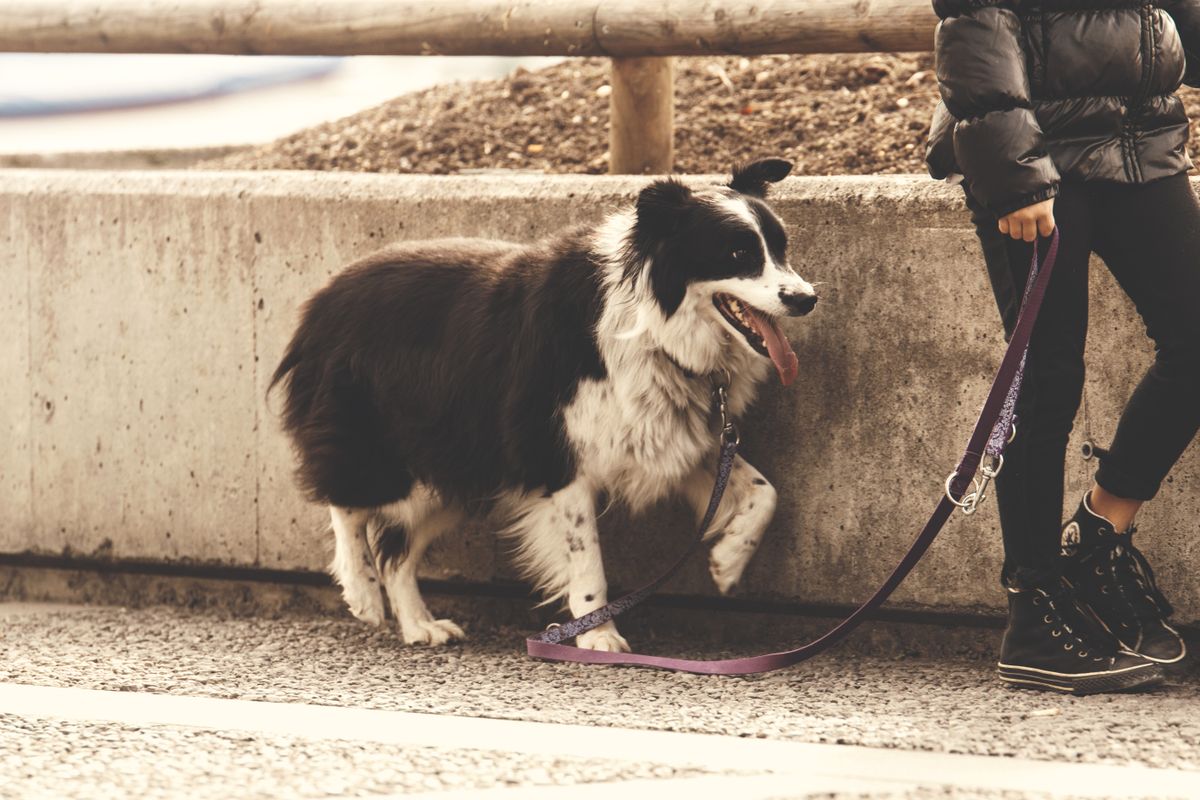
If your dog is doing half the exercise they did in summer, their energy needs have dropped too. Rather than guessing, measure meals with a proper cup or kitchen scales instead of eyeballing a scoop. Even a small reduction, matched to their lower activity, can make a real difference over winter. Always make changes gradually and check the feeding guide on your pet’s food as a starting point.
Keep them moving indoors
Cold weather does not have to mean a couch-bound pet. Indoor games, food puzzles, a flirt pole for dogs or a feather wand for cats can all burn energy and keep boredom at bay. Our guides to indoor dog enrichment and winter cat enrichment are full of easy ideas. On milder days, a brisk walk still counts — just rug up an older or short-coated dog if needed.
Be smart with treats
Treats are one of the biggest hidden sources of winter calories. As a rule of thumb, treats should make up no more than about 10 per cent of your pet’s daily energy. Swap rich snacks for healthier options like small pieces of carrot or a portion of their normal kibble set aside for training, and remember that every extra nibble counts.
When to check in with your vet
If your pet is already overweight, slow and steady is the safe approach. Vets generally recommend a gentle rate of weight loss — roughly 1 to 2 per cent of body weight per week for dogs, and a little slower for cats. Crash diets can be dangerous, especially for cats. Sudden weight changes, low energy or a poor appetite are also worth a check, as they can point to underlying health issues.
This article offers general information only. For a weight-loss plan tailored to your pet’s age, breed and health, consult a licensed veterinarian for diagnosis or treatment specific to your animal.
The bottom line
Winter weight gain is common, but it is also one of the easiest pet health problems to head off. Measure meals, keep the games going indoors, go easy on the treats and run a quick hands-on body check every couple of weeks. Small, consistent habits now will keep your dog or cat fit, comfortable and ready to bounce into spring. If you are also managing a stiff, older pet this season, our guide to winter arthritis in dogs pairs well with these tips.