Australian winters have a sneaky way of changing our dogs’ routines. Walks get shorter, the couch gets more tempting, and an extra biscuit slipped under the table feels like fair payment for braving the cold. Add it all up over a few chilly months and many dogs quietly pile on the kilos before spring arrives. With surveys from the Australian Veterinary Association suggesting more than 40% of Aussie dogs are already overweight or obese, the cooler season is exactly when a few small habits can tip the scales the wrong way.
The good news is that winter weight gain is easy to prevent once you know what to watch for. Here’s a practical guide to keeping your dog trim, comfortable and healthy through the colder months — without making either of you miserable.
Why dogs gain weight in winter
Weight gain comes down to a simple equation: more energy going in than your dog burns off. Winter tips that balance in a few predictable ways.
- Less exercise. Dark mornings, cold evenings and wet weather mean shorter, less frequent walks.
- More treats. Comfort feeding and extra rewards add up fast, especially over a long winter.
- Cosy, sedentary days. Dogs tend to rest and sleep more when it’s cold, burning fewer kilojoules.
- Holiday leftovers. Rich human food and table scraps often sneak into the bowl during cooler months.
None of these are dramatic on their own. The problem is that they stack up slowly, and a kilo or two on a small or medium dog is a much bigger deal than it sounds.
How to tell if your dog is overweight
You don’t need fancy equipment to check your dog’s condition. Vets use a simple Body Condition Score, and you can do a version of it at home with a three-step look, feel and weigh approach.
Feel the ribs
Run your hands gently along your dog’s side. In a dog at a healthy weight, you should be able to feel the ribs easily with light pressure, a bit like feeling the back of your hand. If you have to press firmly through a layer of padding to find them, your dog is likely carrying too much.
Look at the waist
View your dog from above. There should be a visible waist that tucks in behind the ribs. From the side, the belly should tuck up rather than hang level or sag. A straight or bulging outline is a common sign of extra weight.
Weigh regularly
Pop your dog on the scales every few weeks through winter — most vet clinics are happy for you to use theirs for free. Tracking the number makes a creeping gain obvious long before it becomes a problem.
Why a healthy weight matters
Excess weight is more than a cosmetic issue. Carrying extra kilos puts strain on joints and can worsen arthritis, makes movement harder, and is linked to a higher risk of conditions such as diabetes and heart problems. Overweight dogs can also tire more quickly and feel the discomfort of winter stiffness more than their leaner mates. Keeping your dog at a healthy weight is one of the simplest things you can do to support a longer, more comfortable life.
Practical tips to prevent winter weight gain
Measure meals, don’t guess
Eyeballing the bowl is where most overfeeding starts. Use a measuring cup or kitchen scales and follow the feeding guide on your dog’s food as a starting point, adjusting based on their condition rather than their pleading eyes.
Keep treats in check
As a rule of thumb, treats should make up no more than around 10% of your dog’s daily kilojoules. Swap rich biscuits for low-kilojoule options like small pieces of carrot, green beans or a little plain cooked pumpkin, and remember that training rewards count too.
Stay active indoors
When the weather keeps you in, bring the exercise inside. Short games of fetch down the hallway, hide-and-seek with treats, puzzle feeders and a few minutes of trick training all keep your dog moving and mentally engaged. Enrichment burns energy and beats winter boredom.
Rug up and get out anyway
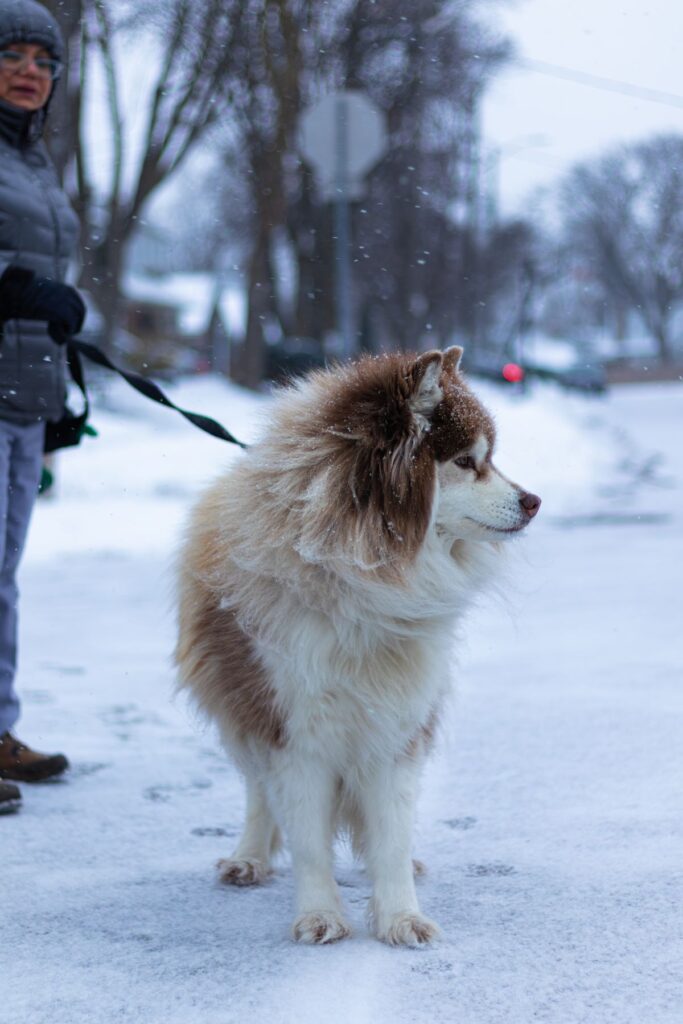
Most dogs still enjoy a walk in the cold if they’re dressed for it. A well-fitted coat for short-haired or older dogs, a reflective lead for dark evenings, and a brisk midday stroll when the sun is out can keep daily activity ticking over.
Adjust food to match activity
If your dog is genuinely moving less this season, it’s reasonable to trim portions slightly to match. Make changes gradually and keep checking their body condition so you can fine-tune as the weeks go on.
When to talk to your vet
If your dog has gained weight despite your best efforts, is struggling to lose it, or has other signs such as low energy, increased thirst or a poor coat, it’s worth booking a check-up. Sudden or unexplained weight changes can occasionally signal an underlying health issue. Your vet can rule out medical causes and help you set a safe, realistic weight-loss plan tailored to your dog. Consult a licensed veterinarian for diagnosis or treatment specific to your pet.
The bottom line
Winter weight gain is common, but it’s far from inevitable. By measuring meals, keeping treats sensible, staying active indoors and out, and checking your dog’s body condition every few weeks, you can help your best mate stay fit and comfortable until the warmer days return. Small, consistent habits now mean a happier, healthier dog come spring — and far fewer kilos to work off later.