
Dogs pant a lot because panting is how they cool down, so heavy panting after exercise, play, excitement or a warm day is normal and should settle within minutes of resting in the shade. Panting becomes a concern when it happens at rest, at night, in a cool room, or comes with noisy breathing, restlessness or a change in gum colour. Those patterns can point to pain, anxiety, excess weight, heart or lung disease, hormonal conditions such as Cushing’s disease, airway problems, medication side effects or anaemia, and they are worth a vet check.
Why dogs pant in the first place
The American Kennel Club describes panting as a normal cooling mechanism that commonly occurs after activity or excitement, and says it should slow and stop once the dog rests, drinks and cools off.
Normal panting usually looks like this:
- It starts after a walk, a game or visitors arriving.
- The mouth is relaxed and the dog is otherwise bright and responsive.
- It eases off gradually as the dog lies down in a cool spot. The AKC suggests breathing should improve within about five to ten minutes of rest.
Normal or not? The four questions to ask
Context tells you more than the amount of panting. Ask yourself these four questions.
- Is my dog panting at rest? Panting while lying quietly, with no recent exercise or excitement, is not typical.
- Is it happening at night? A dog that wakes up panting, paces or cannot settle overnight is often uncomfortable for a reason.
- Is the room cool? If so, heat is unlikely to be the cause.
- Does the breathing sound or look different? Noisy, raspy or high-pitched breathing, a changed bark, coughing, or visible effort with the belly and chest are all signs to take seriously.
The AKC notes that panting which continues at rest, does not settle, or gets worse over time should be looked at by a vet, particularly if your dog cannot settle or relax comfortably.

Common causes of excessive panting
Heat
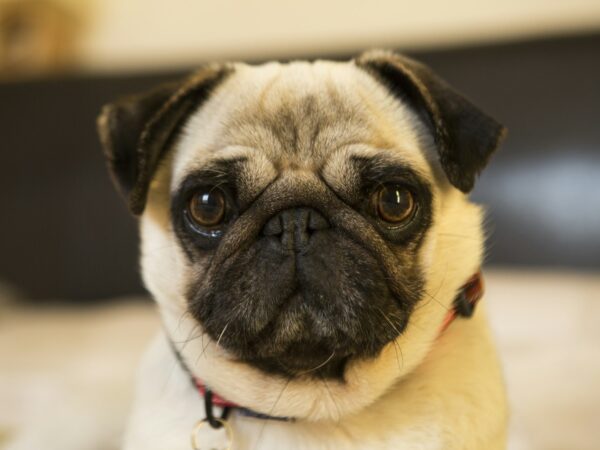
Heat is the most obvious cause, and in late spring and summer it is the first thing to rule out. A dog that keeps panting heavily after you have moved it somewhere cool, or that seems wobbly, dull or distressed, may be overheating. Heatstroke is an emergency, and we cover the warning signs and first aid in detail in our guide to heatstroke in dogs and cats. Flat-faced breeds such as pugs, French bulldogs and British bulldogs struggle to cool themselves at all, so they reach the danger zone faster. If you own one, our post on flat-faced dogs in an Australian summer is worth reading before the hot weather arrives.
Pain
Panting is one of the quieter ways dogs show pain. The AKC lists arthritis, injuries, and back or abdominal discomfort as causes of panting. A dog in pain may pant while lying still, shift position often, or be reluctant to get up. Our guide to arthritis in dogs and cats covers other signs to look for.
Anxiety and fear
Stress is a very common trigger. The AKC names vet visits, thunderstorms and fireworks among the situations that cause panting. Anxious panting usually comes with pacing, trembling, lip licking, hiding or clinging to you. See our guide on calming a thunder-phobic dog for practical help.
Excess weight
Carrying extra weight makes every walk harder work and makes it harder to shed heat. A large UK study of dogs under veterinary care, published in Scientific Reports, found that dogs at or above the average bodyweight for their breed and sex had higher odds of heat-related illness, and the authors called maintaining a healthy bodyweight a key welfare priority for all dogs. If your dog pants after very little effort, a body condition check with your vet is a good place to start.
Heart or lung disease
When the heart is not pumping efficiently, fluid can build up in or around the lungs and the dog has to breathe faster to get enough oxygen. The Merck Veterinary Manual lists coughing, difficulty breathing and exercise intolerance as the most common signs of left-sided congestive heart failure, and notes that affected dogs often breathe faster than healthy dogs. VCA Animal Hospitals includes an increased resting breathing rate or excessive panting among the signs, along with coughing when resting or asleep.
Cushing’s disease
Cushing’s disease (hyperadrenocorticism) happens when the body produces too much cortisol. VCA Animal Hospitals lists panting as a common sign, alongside the classic trio of increased appetite, increased drinking and increased urination, plus a pot-bellied appearance, thin skin, recurring skin infections and a poor coat. The AKC notes that resting panting from Cushing’s is typically seen in middle-aged and senior dogs.
Laryngeal paralysis in older, larger dogs
The larynx (voice box) opens and closes to let air in and protect the airway. In laryngeal paralysis it no longer opens properly. VCA Animal Hospitals explains that the acquired form usually affects middle-aged or older dogs, most often Labrador retrievers, golden retrievers and St Bernards. Signs include noisy breathing, excessive panting, a change in the sound of the bark, gagging or coughing when eating or drinking, and trouble breathing. Heat and exercise make it worse, and in a severe episode a dog can struggle to breathe, develop bluish gums and collapse, which is an emergency.
Medication side effects
Some medicines can increase panting. For example, VCA notes that long-term use of steroid medicines can itself cause a form of Cushing’s disease, which brings panting with it. If the panting started or got worse after your dog began a new medicine, tell your vet. Do not stop or change a prescribed medicine without your vet’s advice.
Anaemia
Anaemia means there are too few red blood cells to carry oxygen around the body, so the dog may breathe harder to compensate. VCA Animal Hospitals says the most common sign is loss of the normal pink gum colour, with gums looking pale pink or white. Affected dogs may have laboured breathing, little stamina, tire easily or collapse with exertion. Pale gums always need prompt attention.
When panting is an emergency
Go to your vet or nearest emergency vet straight away if your dog’s panting comes with any of the following. The AKC stresses that pale or blue gums, difficulty breathing or collapse require immediate veterinary attention.
- Pale, white, blue, purple or dark red gums or tongue
- Collapse, weakness or being unable to stand
- Obvious struggling to breathe, gasping, or breathing with the neck stretched out
- Loud, harsh noise on breathing in
- Vomiting or diarrhoea, especially if bloody
- Muscle tremors or seizures
- Panting that does not settle after 10 minutes of rest somewhere cool

How to count your dog’s resting breathing rate
Counting breaths at home gives your vet useful, objective information, and it costs nothing. Both the Merck Veterinary Manual and VCA describe vets asking owners to count sleeping or resting breaths to pick up early heart failure and check how treatment is going.
- Wait until your dog is sound asleep or lying quietly in a cool room, not straight after exercise or a meal, and not while dreaming.
- Watch the chest or flank. One rise and one fall counts as one breath.
- Count for a full 60 seconds, or count for 30 seconds and double it.
- Write it down with the date and time. Repeat on several different days to find your dog’s usual number.
What is normal? In a study of 114 healthy adult dogs published in Research in Veterinary Science, owners counted sleeping breathing rates at home. The average was 13 breaths per minute, no dog averaged more than 23, and the authors concluded that healthy adult dogs generally sleep with a rate below 30 breaths per minute and rarely go above it. The AKC gives a normal awake resting rate of about 20 to 35 breaths per minute and calls 40 to 60 at rest very concerning.
Your own dog’s baseline matters more than any single number. VCA advises that a significant increase, even one that is still within the normal range for an average dog, should be reported to your vet.
What the vet will check
Your vet will start with a history and physical examination. Bring notes on when the panting happens, your resting breath counts, and any changes in thirst, appetite, weight or bark. A short phone video helps too, as dogs often breathe differently in the consult room.
Depending on what the exam shows, your vet may suggest:
- A pain check and listening to the heart and lungs.
- Blood and urine tests to look for anaemia, hormonal disease and organ function. Some blood tests also help diagnose heart disease, according to the Merck Veterinary Manual.
- Chest x-rays or ultrasound to look at heart size and check for fluid in the lungs.
- Specific hormone tests if Cushing’s disease is suspected, as described by VCA.
- An examination of the larynx with a scope if laryngeal paralysis is suspected, which VCA says is needed to confirm the diagnosis.
Frequently asked questions
Why is my dog panting at night when it is not hot?
Night-time panting in a cool room is often linked to pain, anxiety, or a medical problem such as heart disease or Cushing’s disease. Count your dog’s sleeping breathing rate over a few nights and book a vet visit if the panting keeps happening.
Why is my old dog panting so much?
Older dogs are more likely to have arthritis pain, heart disease, Cushing’s disease or laryngeal paralysis, all of which can cause panting. Increased panting in a senior dog is worth a check rather than putting it down to age.
Why is my dog panting and restless?
Panting plus pacing or being unable to get comfortable can mean pain, anxiety or overheating. If it does not settle after a short rest somewhere cool and quiet, or your dog seems distressed, call your vet.
Key takeaways
- Panting after exercise, excitement or heat is normal and should settle within minutes of rest.
- Panting at rest, at night, in a cool room, or with noisy breathing is a reason to see your vet.
- Causes include heat, pain, anxiety, excess weight, heart or lung disease, Cushing’s disease, laryngeal paralysis, medication side effects and anaemia.
- Blue, pale or dark red gums, collapse or struggling to breathe are emergencies.
- Counting your dog’s sleeping breaths at home gives your vet a useful baseline. Healthy adult dogs usually stay under 30 breaths per minute while asleep.
Sources
- American Kennel Club: Why Do Dogs Pant?
- Research in Veterinary Science (Rishniw et al.): Sleeping respiratory rates in apparently healthy adult dogs
- Scientific Reports (Hall, Carter and O’Neill): Incidence and risk factors for heat-related illness (heatstroke) in UK dogs under primary veterinary care in 2016
- Merck Veterinary Manual: Heart Failure in Dogs
- VCA Animal Hospitals: Congestive Heart Failure in Dogs
- VCA Animal Hospitals: Cushing’s Disease in Dogs
- VCA Animal Hospitals: Laryngeal Paralysis in Dogs
- VCA Animal Hospitals: Anemia in Dogs
This article is general information only and is not a substitute for advice from a registered veterinarian. If your dog is struggling to breathe, has pale or blue gums or has collapsed, contact your vet or nearest emergency vet immediately.