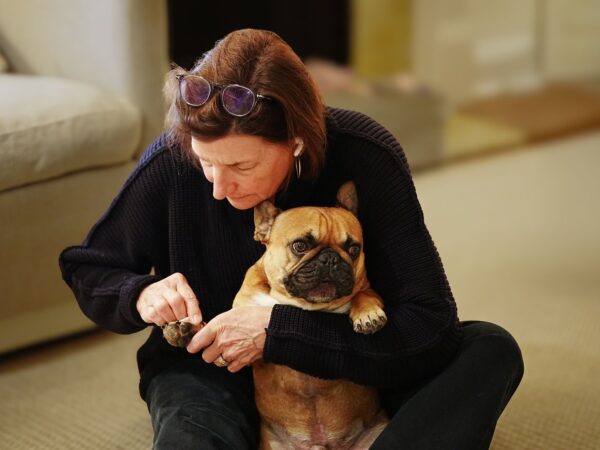

If you have ever left your dog or cat behind because the only options were the cargo hold or a long drive, things are starting to change. For the first time, an Australian airline is letting eligible small pets travel in the cabin alongside their owners, and the program keeps expanding to new routes through 2026. Here is what it actually means for you, and how to get your pet ready before you book.
What has actually changed for pet travel in Australia
Virgin Australia has become the first Australian airline to offer in-cabin travel for small cats and dogs on selected domestic flights. Rather than flying as freight in the hold, a suitably sized pet can travel in an approved carrier that fits under the seat in front of you. The service started on a small number of routes and has been rolling out to more Australian cities; Virgin currently lists flights from Melbourne, Sunshine Coast, Gold Coast, Adelaide and Cairns. Check whether other airlines have introduced anything similar before you book, as availability still depends heavily on the airline, the route and the date you choose.
It is a genuine shift, but it is not a free-for-all. Pet owners are assigned to a handful of designated seats, so pet spots are limited per flight, carriers must meet strict size rules, and your pet needs to stay calm and contained for the whole journey. Treat it as a privilege with conditions rather than a guaranteed seat.
Is your pet actually eligible?
Before you get excited, check the basics. In-cabin travel is designed for small animals that can settle quietly in a soft carrier. Virgin’s rules currently look like this. Always confirm the current detail directly with the airline:
- Size and weight: the combined pet-and-carrier weight must be no more than 8kg, and the soft-sided carrier must fit fully under the seat (maximum 44cm x 28cm x 28cm).
- Species: the program is for small dogs and cats only, not other animals, and some breeds are excluded.
- Health and age: pets must be at least 8 weeks old (16 weeks on some routes) and up to date with vaccinations. Pets that are unwell, pregnant, very young or over 12 need a vet certificate issued within 14 days of the flight.
- Behaviour: your pet needs to stay inside the carrier and remain calm; it cannot sit on your lap or roam the cabin.
- Booking: pet spots are capped per flight and you are limited to one pet each. Bookings are made by phone more than 72 hours before travel, with an introductory fee of $149 per flight on top of your own fare.
Brachycephalic (flat-faced) breeds such as pugs, French bulldogs and Persian cats can struggle with breathing and staying cool, especially when stressed. Virgin requires these pets to have a vet certificate and a brachycephalic fit-to-fly assessment, so it is worth a chat with your vet about whether flying is sensible for your individual pet.
How to prepare your pet for the cabin
The single biggest predictor of a smooth flight is preparation in the weeks beforehand. A pet that already sees the carrier as a safe, familiar den will cope far better than one zipped in for the first time at the airport.
- Carrier training: leave the carrier open at home with bedding and treats for a few weeks so your pet chooses to go inside. IATA’s pet travel guidance also recommends getting animals used to their carrier weeks or months ahead.
- Practice trips: build up from short car rides to longer outings so movement and noise feel normal.
- Vet check: book a health check close to travel and ask about motion sickness and anxiety. Avoid sedatives unless your vet specifically recommends them. IATA advises against sedating pets in transit because of risks such as loss of balance and airway obstruction, and Virgin requires a vet certificate if your pet is sedated.
- Toileting: offer a toilet break right before boarding and limit a big meal in the hours before the flight.
- Comfort items: pack an absorbent liner, a familiar-smelling blanket and a spare in case of accidents.
A quick pre-booking checklist
- Confirm the route and date actually offer in-cabin pet travel.
- Check the exact carrier dimensions and weight limit, then measure your pet.
- Book the pet spot as early as possible: numbers are limited.
- Update your pet’s microchip details and pack proof of identification.
- Plan for the destination too: pet-friendly transport, accommodation and a nearby vet.
What it means for Australian owners
For people relocating interstate, visiting family, or simply unwilling to put a nervous pet in cargo, cabin travel is a welcome option. It is especially useful for older cats and small dogs who find the hold frightening. That said, it will not suit every animal: large dogs, anxious pets and flat-faced breeds may still be better off with a road trip or a trusted pet sitter. As always, weigh up your pet’s temperament and health rather than the convenience alone, and consult a licensed veterinarian for advice specific to your animal.
Frequently asked questions
Can my dog sit on my lap during the flight?
No. Pets must stay inside an approved carrier stowed under the seat in front of you for the entire flight, including taxi, take-off and landing.
Should I sedate my pet before flying?
Generally not. Many vets advise against routine sedation because it can affect breathing and balance during a flight. Speak to your veterinarian, who may suggest calming aids or training instead.
Which airlines in Australia allow pets in the cabin?
Virgin Australia describes itself as Australia’s first airline to offer in-cabin travel for small cats and dogs on selected domestic routes. Availability is expanding, so always check the latest options for your specific flight before booking.
What happens to my pet in an emergency?
In an emergency evacuation, passengers are generally told to leave belongings behind and follow crew instructions, so ask the airline how this applies to a pet carrier. It is an uncomfortable thought, but worth understanding before you fly.
Key takeaways
- In-cabin pet travel is now available on selected Australian domestic flights, led by Virgin Australia.
- Only small cats and dogs in approved under-seat carriers qualify, and spots are limited.
- Start carrier training weeks early and book a pre-travel vet check.
- Avoid sedation unless your vet specifically recommends it.
- Flying is not right for every pet: consider temperament, breed and health first.