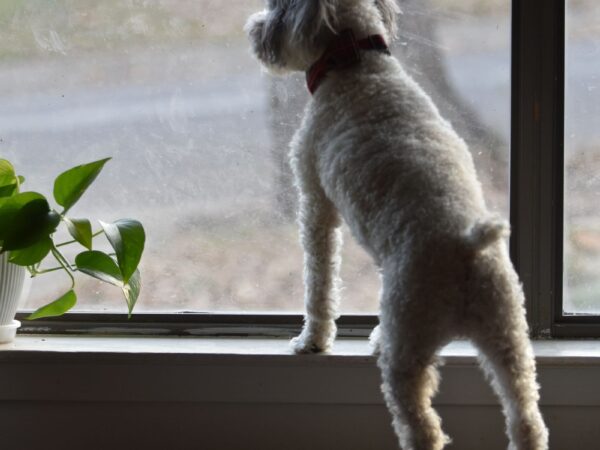
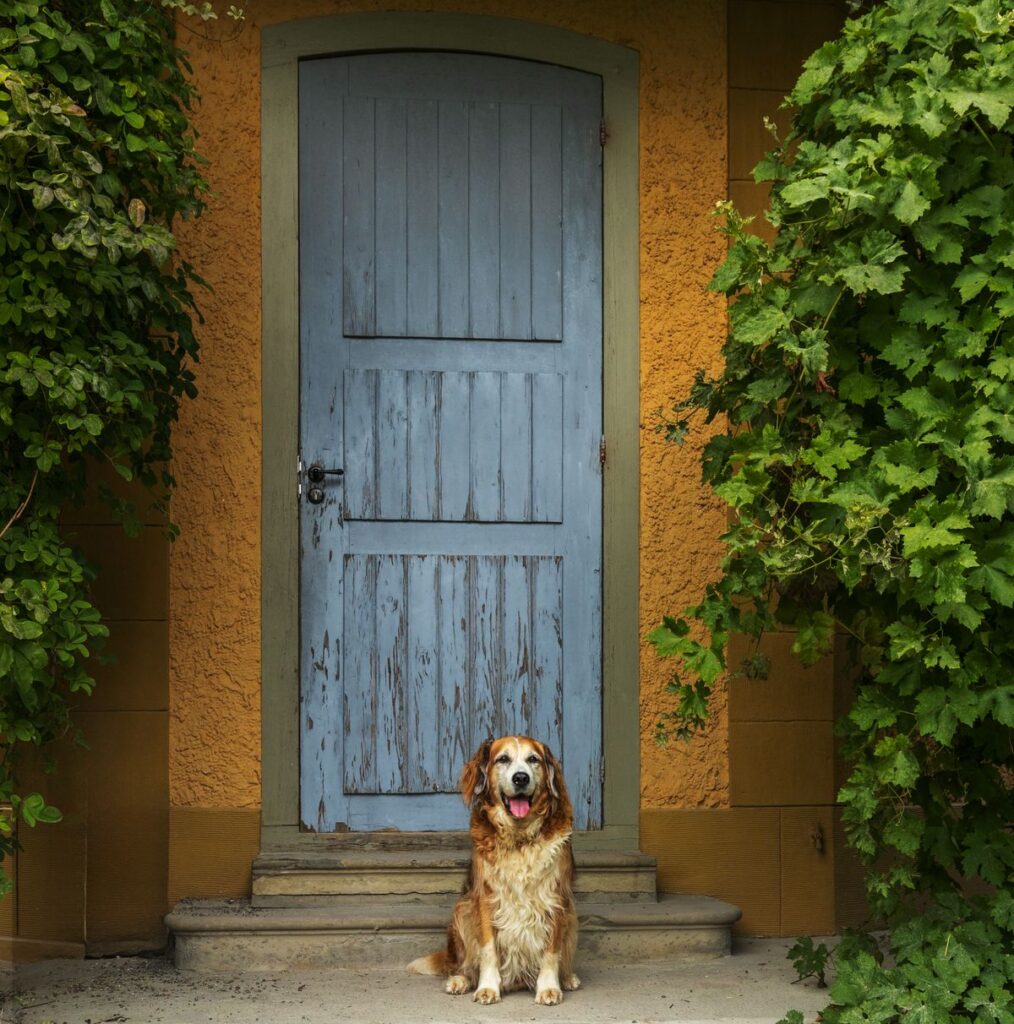
For two or three years, your dog had you all to themselves. Now the household is shifting back to the office, and that cosy work-from-home routine is changing fast. If your normally easygoing mate has started barking the moment you reach for your keys, or you’ve come home to a chewed door frame, you’re not imagining it — and you’re certainly not alone. Separation anxiety is one of the most common behavioural problems Australian vets see, and the return-to-office shuffle has put it firmly back in the spotlight.
What Separation Anxiety Actually Is
Separation anxiety is genuine distress — not stubbornness or spite — that a dog feels when left alone or apart from the person they’re most attached to. It’s worth being clear on that point, because dogs are never "getting back at you" when they make a mess. They’re panicking. Understanding it as a fear response, rather than naughty behaviour, completely changes how you respond to it.
Big changes to the household routine are a classic trigger, and few changes are bigger than a family going from home all day to out all day. Puppies who were raised entirely during work-from-home years may never have learned to be on their own at all.
Signs Your Dog Isn’t Coping
Separation-related distress usually kicks in within the first 15 to 30 minutes after you leave, so the clues aren’t always obvious. Keep an eye out for:
- Excessive barking, whining or howling soon after you go
- Destructive chewing or scratching, especially around doors and windows
- Toileting indoors when they’re normally house-trained
- Pacing, drooling or restlessness
- Attempts to escape, which can lead to injury
- Following you from room to room and becoming clingy as you get ready to leave
A pet camera is a handy way to confirm what’s really happening. Plenty of owners assume their dog naps happily all day, only to discover hours of pacing and whining on the footage.
How to Help Your Dog Adjust
The goal is simple to say and slower to do: teach your dog that being alone is calm, safe and even rewarding. These are the strategies vets and welfare groups recommend most.
1. Practise short, low-key departures
Don’t wait for your first office day to spring a nine-hour absence on your dog. Start now with brief departures — even 30 to 60 seconds — and return while they’re still calm. Slowly stretch the time over days and weeks. Mild cases often improve within four to eight weeks of patient, consistent practice.
2. Take the drama out of the door
Dogs learn to dread the little rituals that signal you’re leaving: keys, shoes, that particular jacket. Pick up your keys and then sit back down. Put your shoes on and make a cup of tea. Repeating these "pre-departure cues" at random, without actually leaving, teaches your dog they don’t always mean goodbye.
3. Make alone time the good time
Give a food-stuffed toy — a frozen Kong is a favourite — only when you leave. A treat that takes 20 to 30 minutes to work through builds a positive association with your departure and keeps your dog busy through the tricky first stretch. Pick it up again when you get home so it stays special.
4. Keep hellos and goodbyes calm
Big, emotional farewells and reunions only reinforce that your coming and going is a major event. Slip out quietly and wait until your dog has settled before you say hello. It feels a little cold at first, but it genuinely helps lower the stakes.
5. Tire them out first
A solid walk and a sniff-filled play session before you leave means a dog that’s more inclined to rest than fret. Physical exercise and mental enrichment together make a real difference.
What Not to Do
Never punish an anxious dog for barking or for the mess you find when you get home. Punishment adds fear to an already frightened animal and reliably makes separation anxiety worse. If your dog is destructive or distressed, that’s a signal to adjust your training plan — not your dog being "bad".
When to Call in the Professionals
If your dog is hurting themselves trying to escape, not improving with consistent training, or so distressed that everyday life is suffering, it’s time to speak with your vet. Severe cases sometimes need a combination of behaviour modification and medication, and a vet or qualified behaviourist can build a plan tailored to your dog. There’s no shame in it — getting help early is one of the kindest things you can do.
The Bottom Line
Going back to the office doesn’t have to mean a miserable dog at home. With a bit of preparation, plenty of patience and a focus on calm, gradual change, most dogs learn that time alone is nothing to fear. Start small, stay consistent, and lean on your vet if you need to — your mate will thank you for it.