
Teacup dogs are some of the most adorable companions you can imagine, tiny enough to nestle in the crook of your arm and weigh less than a bag of sugar. But behind those big eyes and pocket-sized bodies are some serious considerations every owner should understand. This guide explains what a teacup dog really is, which breeds qualify, the health risks involved, and how to care for one responsibly.
What Is a Teacup Dog?
A teacup dog is not an official breed. The term is a marketing label for the smallest dogs within already-small breeds, often marketed as dogs that weigh under about 2 kg (4 to 5 pounds) when fully grown. Breeders produce them by pairing the runts of litters or selecting for the tiniest individuals over generations. Because no kennel club officially recognises a “teacup” size, the label is unregulated: so quality and ethics vary widely from breeder to breeder.
Popular Teacup Dog Breeds
Almost any toy breed can be bred down to a teacup size. The most common ones you will encounter include:
- Teacup Chihuahua: from one of the smallest breeds of all, often advertised at under 1.5 kg.
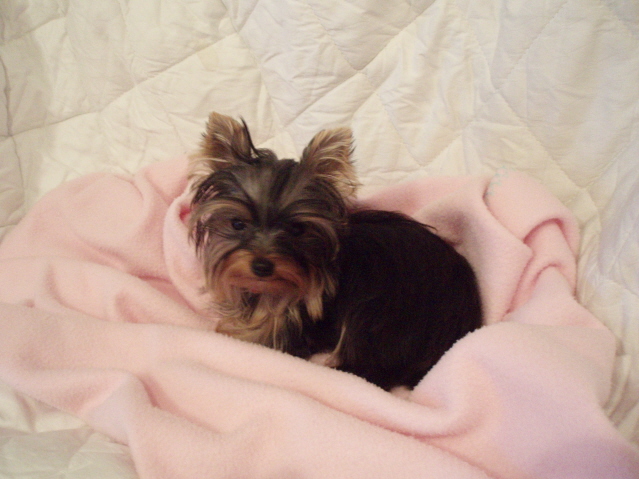
- Teacup Yorkshire Terrier (Yorkie): silky-coated and confident despite its size.
- Teacup Pomeranian: a fluffy, fox-faced favourite on social media.
- Teacup Maltese: gentle, white-coated, and affectionate.
- Teacup Poodle: smaller than the toy poodle and highly trainable.
- Teacup Shih Tzu: a compact version of the classic lap dog.
Teacup Dog Health Concerns
This is the most important section for any prospective owner. Breeding dogs to be unnaturally small often amplifies health problems. Common issues reported in very small dogs include:
- Hypoglycaemia: dangerous drops in blood sugar, especially in puppies; the MSD Veterinary Manual notes it is seen in toy breeds in the first six months and is usually managed with frequent meals.
- Fragile bones: a short fall from a couch or a misstep can cause fractures.
- Dental crowding: tiny jaws lead to overcrowded, problem-prone teeth.
- Heart conditions and collapsing trachea: tracheal collapse is most common in toy and miniature breeds.
- Hydrocephalus: fluid on the brain, which MSD notes is not uncommon in puppies of toy breeds.
- Liver shunts and digestive issues: reported more often in extremely small individuals.
Because of these risks, many veterinary and welfare organisations caution against demand for ever-smaller “teacup” dogs, and the RSPCA urges buyers to choose breeders who screen for inherited disorders and let you meet the mother. If you choose one, a reputable veterinarian and an honest breeder are essential. This article is general information only and is not a substitute for professional advice. Please consult a licensed veterinarian for diagnosis or treatment specific to your pet.
How to Care for a Teacup Dog
If you welcome a teacup dog into your home, a few habits make a big difference:
- Feed small, frequent meals to keep blood sugar stable.
- Puppy-proof your home and watch your step: these dogs are easy to trip over or injure.
- Keep them warm; tiny bodies lose heat quickly.
- Use a harness, not a collar, to protect a delicate trachea.
- Schedule regular vet checkups and stay current on dental care.
- Supervise around children and larger pets to prevent accidental injury.
How Much Does a Teacup Dog Cost?
Teacup dogs are often sold at a premium because of their novelty size, and prices vary widely by breed, location, and breeder reputation. Beyond the purchase price, budget for higher-than-average veterinary care, since small dogs can need frequent attention. Always prioritise a breeder’s ethics and the puppy’s health over getting the smallest possible dog.
Frequently Asked Questions
How long do teacup dogs live? Many small breeds are long-lived, but health complications from extreme miniaturization can shorten an individual dog’s lifespan. Responsible breeding and good veterinary care give the best odds.
Are teacup dogs good for families with young kids? Generally not ideal. Their fragility makes them better suited to calm, adult households or families with older, gentle children.
Is “teacup” a real breed? No. It is a size descriptor, not a recognised breed, and it is not regulated by major kennel clubs.
The Bottom Line
Teacup dogs are undeniably charming, but their tiny size comes with real responsibilities and health risks. If you have your heart set on one, do your homework: choose an ethical breeder, line up a trusted veterinarian, and commit to the extra care these little companions need. A healthy small dog (rather than the smallest possible dog) is always the better goal.