You’ve booked the surgery, or you’re still deciding when to book it. Either way, you probably have questions nobody’s answered properly: what the vet actually does, how sore your pet will be, and whether that cone is really necessary. Here’s the practical version.
What desexing means
Desexing removes the reproductive organs so your dog or cat can’t breed. In males, it’s called castration and involves removing both testicles. In females, it’s called spaying and involves removing the ovaries, and usually the uterus too (an ovariohysterectomy). Some vets offer ovary-only spays (an ovariectomy), which can sometimes be done through a smaller incision. Ask your vet which they do.
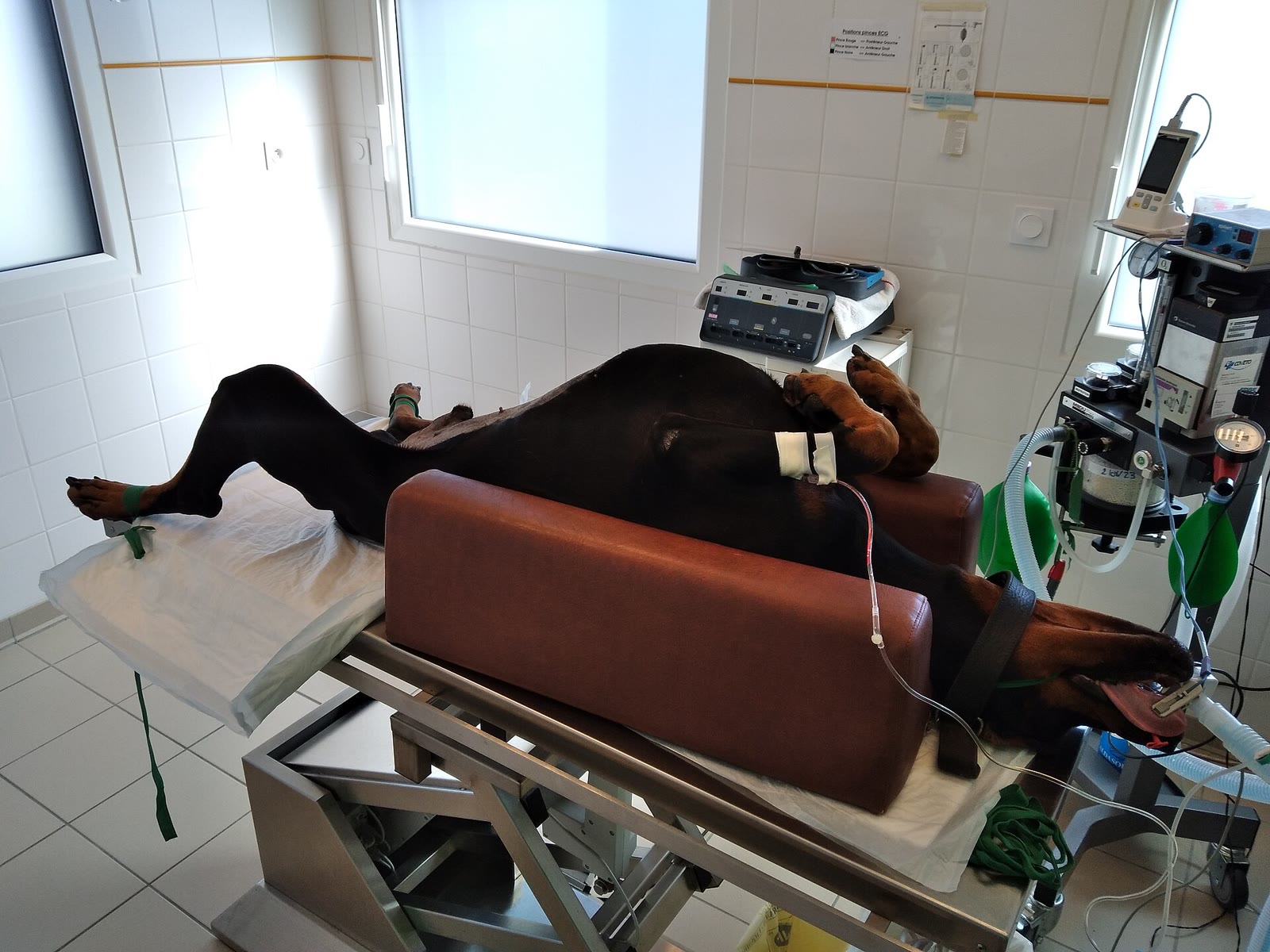
Both procedures are done under general anaesthetic. Your pet won’t feel anything during surgery. They will feel it afterwards, though, so pain relief is part of the plan, not an afterthought.
What age vets recommend
This has shifted over the years and still varies by breed and vet. The old blanket advice of “six months for everyone” is being replaced by more tailored guidance, particularly for large and giant breed dogs.
- Small to medium dogs: often desexed at around 5 to 6 months, before the first season in females, though timing varies between vets.
- Large and giant breed dogs (think Labradors, German Shepherds, Great Danes): many vets now suggest waiting until 12 to 18 months, to let growth plates close. A UC Davis study of 35 breeds linked desexing before one year with a higher risk of joint disorders in many larger breeds, though the effect varied by breed and sex.
- Cats: the RSPCA recommends desexing before four months (16 weeks) of age, before puberty, as cats can reach sexual maturity that early. Shelters and some clinics desex kittens even younger.
Talk to your vet about your specific dog’s breed and size. A cattle dog and a Great Dane puppy are not on the same timeline, even if they’re born the same week.
What happens on the day
Your pet will usually be admitted in the morning, after fasting overnight. Follow your clinic’s instructions, which commonly mean no food from the evening before, while water is generally fine. The vet team will do a quick health check before anaesthetic, checking heart rate, gum colour and general condition.
For female dogs and cats (spay)
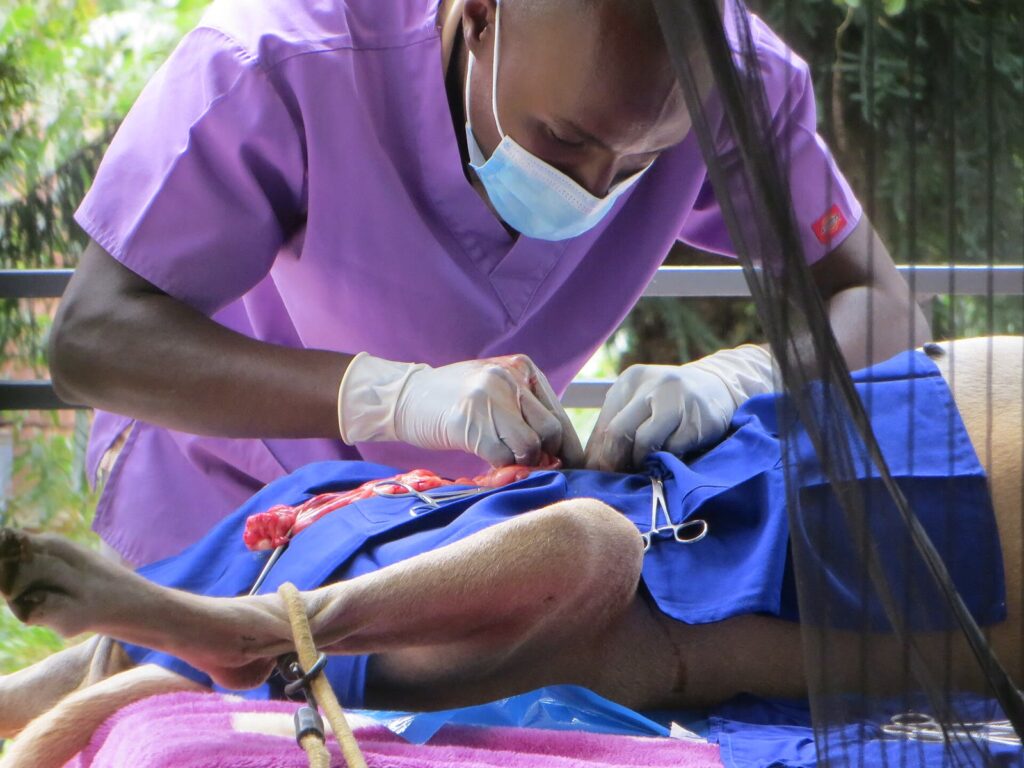
The vet makes an incision along the midline of the abdomen. Ovaries, and usually the uterus, are removed. The incision is closed with internal dissolving stitches, sometimes with external stitches or surgical glue on top. Surgery generally takes longer in dogs than in cats, and longer again in large dogs or females that are in season.
For male dogs and cats (castration)
This is a smaller, quicker procedure. The vet removes both testicles through one or two small incisions near the scrotum. It’s usually quicker than a spay, and in cats it’s very brief and often doesn’t need stitches at all.
Your pet will wake up in a recovery area under close watch. Most animals go home the same afternoon or evening, once they’re steady on their feet and warm enough. Some clinics keep dogs overnight after larger spays. Check what your clinic’s policy is before the day.
Recovery in the first week
The first 24 to 48 hours matter most. Your pet will be groggy from the anaesthetic and may seem quieter or more clingy than usual. That’s normal. Full alertness usually returns within a day.
Day one and two
- Offer a small, bland meal that evening. A normal appetite the next day is a good sign.
- Keep them somewhere warm, quiet and away from other pets who might want to play.
- No jumping on and off furniture, no stairs if you can avoid it.
- Check the incision twice a day for swelling, redness, discharge or gaping.
Days three to ten
This is where most complications happen, usually because the pet is feeling better and wants to move like normal. Restrict exercise to short toilet breaks on a lead for dogs. Cats should stay indoors, ideally confined to one room if they’re the escaping type.
Most stitches or staples come out at a check-up 10 to 14 days after surgery. Dissolving internal stitches don’t need removal. Bruising and mild swelling around the incision is common and usually settles within a week.
The cone, and what else works
The point of an Elizabethan collar (the cone) is simple: stop your pet licking or chewing the incision. Licking introduces bacteria and can pull stitches open. A wound infection means another vet visit, sometimes another surgery. The cone is annoying but it works.
If your pet hates the plastic cone, there are alternatives:
- Soft fabric cones are lighter and less likely to bash into doorframes, though determined chewers can sometimes bend or reach past them.
- Inflatable donut collars suit cats and small dogs but some flexible pets can still reach around them.
- Recovery suits (a snug bodysuit covering the incision) work well for dogs who tolerate clothing and don’t try to chew through fabric.
Whatever you use, it needs to stay on until the wound has healed properly, not just until your pet stops trying to lick it. That’s usually the full 10 to 14 days. Taking it off “just for dinner” is how stitches get pulled.
What it costs
Prices vary by clinic, by your pet’s size and sex, and by whether they need extra bloodwork beforehand. Ask a few local clinics for a quote that includes pain relief and any pre-anaesthetic bloodwork, and remember that desexing-specific clinics and council subsidised programs can be considerably cheaper.
Female animals usually cost more than males, since spaying is a longer procedure. Many local councils and animal welfare groups, including the RSPCA, run subsidised desexing programs, particularly for pensioners or in regional areas. It’s worth a phone call before you book at full price.
The health trade-offs owners ask about
Desexing isn’t risk-free, and it isn’t purely upside either. Owners deserve the straight version.
Benefits
- Removes the risk of pyometra (a serious, sometimes fatal uterine infection) in females.
- Greatly reduces the risk of mammary tumours, especially if done early. In cats, one study found spaying before six months cut the risk by 91 percent.
- Eliminates testicular cancer risk and reduces prostate problems in males.
- Reduces roaming, spraying and some aggression-related behaviours, particularly in male cats.
- Prevents unplanned litters. Australia’s shelters are full. This matters more than people think.
Trade-offs
- Slightly increased risk of certain joint problems and some cancers in large breed dogs desexed very young, which is why the age guidance has shifted.
- Metabolism slows after desexing. Weight gain is common if food intake isn’t adjusted, so ask your vet how much to reduce portions afterwards.
- Small anaesthetic risk, as with any surgery. Modern anaesthesia is very safe, but it’s not zero.
For most pets, especially cats and small to medium dogs, the benefits clearly outweigh the risks. For large breed dogs, timing the surgery to your breed and discussing it with your vet makes a real difference to that balance.
When to call the vet
Some discomfort and grogginess after surgery is expected. These signs are not:
- Vomiting more than once, or not eating at all after 24 hours.
- Swelling, redness or discharge from the incision, especially if it smells.
- The incision opening, or any tissue visible through it.
- Excessive lethargy, or collapse.
- A temperature clearly above or below the normal range (roughly 38 to 39.2°C for dogs and cats), if you’re able to check.
- Straining to urinate, or no urination within 24 hours of coming home.
Call anyway. It’s easier to make one quick phone call than to wait and watch. These symptoms can have several causes, and only a vet who examines your pet can tell you which one applies. Most recoveries go smoothly, but it’s your job to notice if this one doesn’t.