As the weather warms across Australia and spring pulls you back out into the garden, the very jobs that get your beds ready (spreading fertiliser, planting bulbs and laying fresh mulch) quietly create a handful of hazards for a curious dog or cat. Many of the “my dog ate something in the garden” worries that crop up at this time of year trace straight back to products sitting in the shed right now.
Why dogs can’t resist blood and bone
Organic fertilisers such as blood and bone, bone meal and poultry-manure pellets (Yates Dynamic Lifter is the best-known Australian brand) are made from exactly the sort of meaty, high-protein material dogs find irresistible. The Animal Poisons Helpline notes these products are “typically made of different types of manures, blood, bone and other meals,” and dogs will happily chew through the bag to get at them.
The trouble is what comes next. According to the Helpline, eating organic fertiliser can cause severe gastroenteritis, and in larger amounts pancreatitis or a gastrointestinal obstruction. The RSPCA Knowledgebase agrees that bone meal and blood meal can cause significant vomiting, diarrhoea and constipation, and possibly pancreatitis, especially if eaten in large quantities. Old, damp or mouldy organic material is a separate worry: the Helpline warns that some moulds in compost produce tremorgenic mycotoxins that can cause profound tremors and convulsions.
The hidden double danger: fertiliser near spring bulbs
Spring is also bulb season, and this is where two hazards combine. The Animal Poisons Helpline specifically warns against using organic fertiliser around spring bulbs, because “dogs will dig up the organic fertiliser and will often find these bulbs and eat them.”
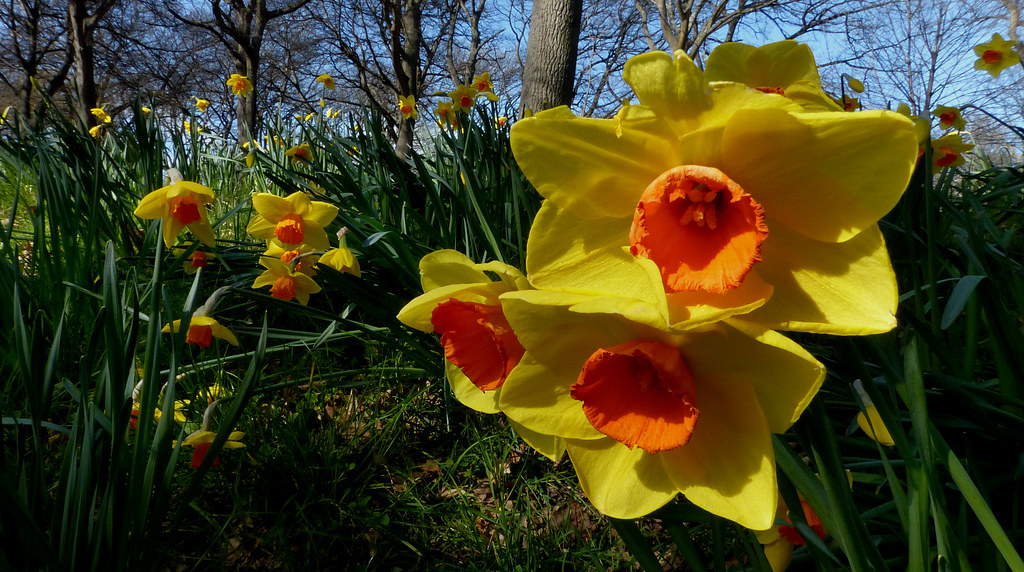
That matters because popular spring bulbs (daffodils, jonquils and other narcissus) are themselves toxic to pets, with the poison most concentrated in the bulb. Melbourne’s Lort Smith Animal Hospital reports that the alkaloid lycorine causes vomiting and gastric irritation, with signs such as drooling, diarrhoea, lethargy, tremors, pale gums or an abnormal heart rhythm appearing anywhere from 15 minutes to 24 hours after eating. So a dog drawn in by the smell of fertiliser can end up swallowing the very bulbs you just planted.
Spring garden products at a glance
| Garden product | Main risk to pets | Concern level |
|---|---|---|
| Blood & bone / bone meal | Gastroenteritis, pancreatitis, possible obstruction | High |
| Poultry-manure pellets (e.g. Dynamic Lifter) | Vomiting, diarrhoea, possible bacterial upset | High |
| Daffodil / jonquil bulbs | Vomiting, tremors, heart-rhythm changes | High |
| Cocoa mulch | Contains theobromine, the same toxin as chocolate | High |
| Old or mouldy compost / fertiliser | Tremors or seizures from fungal toxins | High |
| Synthetic (NPK) lawn fertiliser | Stomach irritation; usually milder once watered in | Low–moderate |
Cocoa mulch is hard to find here: the RSPCA says cocoa shell mulch is “generally not available” in Australia, though a local chocolate maker could sell shells as a by-product, and they can hold relatively high levels of theobromine. Everyday granular (NPK) lawn fertiliser is far less of a worry: US poison-centre vets writing in Today’s Veterinary Practice say it rarely causes more than mild, self-limiting stomach upset, although products combined with insecticides are a bigger risk.
Garden baits belong on the same watch-list. If you use pellets or traps around the yard, it is worth reading up on snail-bait poisoning and backyard mushroom poisoning, and keeping rodent baits well out of reach too.
When to call the vet, and when to watch
If you actually saw your pet eat a garden product, don’t wait for symptoms to appear: make the call early, when treatment is simplest. Ring for advice straight away if you notice any of these:
- Repeated vomiting or diarrhoea, or any blood in either
- Tremors, twitching, wobbliness or a seizure
- Collapse, weakness or pale gums
- A known large amount eaten, or bulbs swallowed
- Any symptoms at all in a puppy, kitten, senior or already-unwell pet
The Animal Poisons Helpline (consultation fees apply) can be reached on 1300 869 738 and will help you work out whether your pet needs to be seen; you can also phone your own vet. Have your pet’s weight and a rough idea of how much was eaten ready. Don’t try to make your pet vomit unless a vet specifically tells you to.
Garden safely this spring
- Store every bag of fertiliser, bulbs and mulch sealed and up high, not on the shed floor, since dogs will chew through packaging.
- Water fertiliser in well after spreading and keep pets off the area until it has soaked in.
- Skip organic fertiliser around freshly planted bulbs; use it elsewhere, or fence the bed while pets are about.
- Avoid cocoa mulch altogether if you share the yard with a dog.
- Bin old, damp or mouldy fertiliser and compost rather than leaving it where a pet can reach.
Frequently asked questions
My dog ate a little blood and bone, will he be okay? A small taste often causes only mild tummy upset, but there is no reliably “safe” amount, and larger serves can lead to pancreatitis or a blockage. Call the Animal Poisons Helpline (1300 869 738) or your vet with your dog’s weight and how much was eaten so they can advise.
Are the daffodil flowers as dangerous as the bulbs? The whole plant is toxic, but the bulb holds the most lycorine, so dug-up or stored bulbs are the bigger worry.
Is Dynamic Lifter safe once it’s watered into the soil? Watering in reduces the loose pellets a pet can gulp, but a determined dog may still dig, so supervise and keep pets off treated beds until it has been absorbed.
Key takeaways
- Blood & bone, poultry-manure pellets and spring bulbs are the big three garden hazards for pets in spring.
- Store products sealed and high, water fertiliser in, and keep bulbs and fertiliser apart.
- Save the Animal Poisons Helpline (1300 869 738) in your phone before you ever need it.
This article is general information for Australian pet owners, checked against the sources linked above. It is not a substitute for advice from a vet who can examine your animal. For diagnosis or treatment specific to your pet, consult a licensed Australian veterinarian; in an emergency, call your vet or the Animal Poisons Helpline on 1300 869 738.