
By GoPetr Writer · Updated 10 August 2026. General information only, not a substitute for advice from a registered veterinarian.
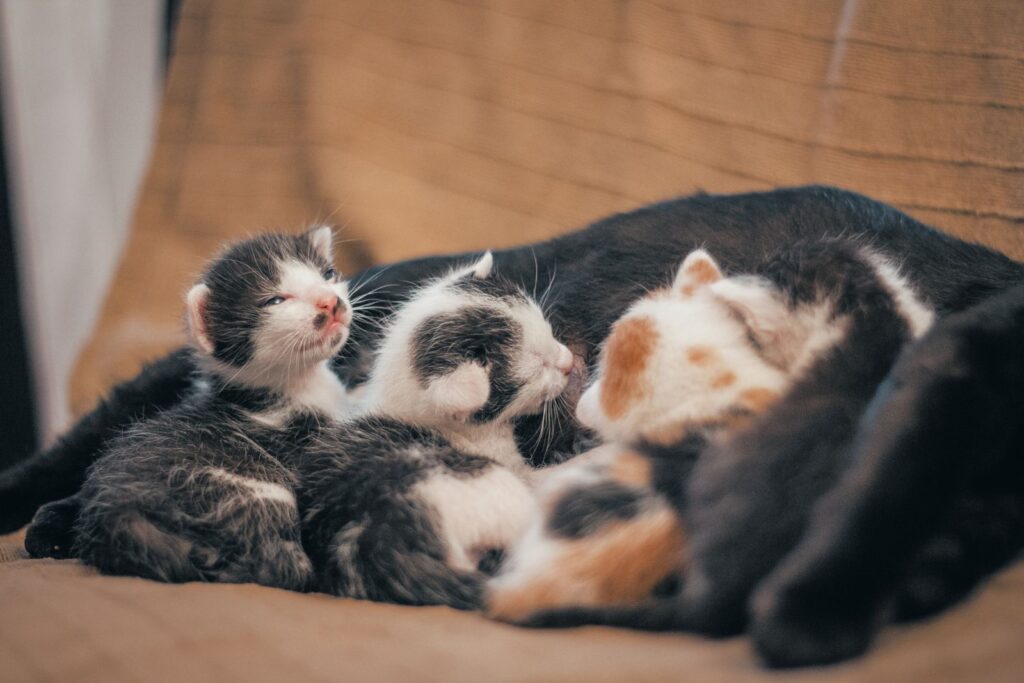
If your local shelter’s social feed is about to fill up with tiny faces, there’s a reason. Across Australia, the warmer half of the year brings “kitten season”, a predictable surge of unplanned litters that stretches rescues to their limit. It’s also one of the most preventable welfare problems we have. Here’s what’s actually happening, and the handful of decisions that make the biggest difference.
What is kitten season?
Kitten season isn’t a marketing term: it’s a breeding cycle tied to daylight. Cats are seasonal breeders, and as RSPCA NSW explains, they “start breeding when the days start getting longer, usually around August here in the southern hemisphere, and they continue to breed throughout spring and summer.” That’s why late winter is the quiet before the storm: queens mating now produce litters that begin arriving at shelters in big numbers from about mid-October.
Why spring triggers a feline baby boom
A female cat (a “queen”) can fall pregnant from as young as four months old, and can have up to two litters in a single season. Play that out across a neighbourhood of roaming, undesexed cats and the numbers escalate quickly. The same source estimates a single undesexed pair could grow to around 50 cats within two years. The pressure lands on shelters: RSPCA NSW alone took in more than 13,000 cats in a recent year, roughly two-thirds of them kittens, and can have as many as 500 kittens in foster care at the peak.
The single best thing you can do: desex before spring
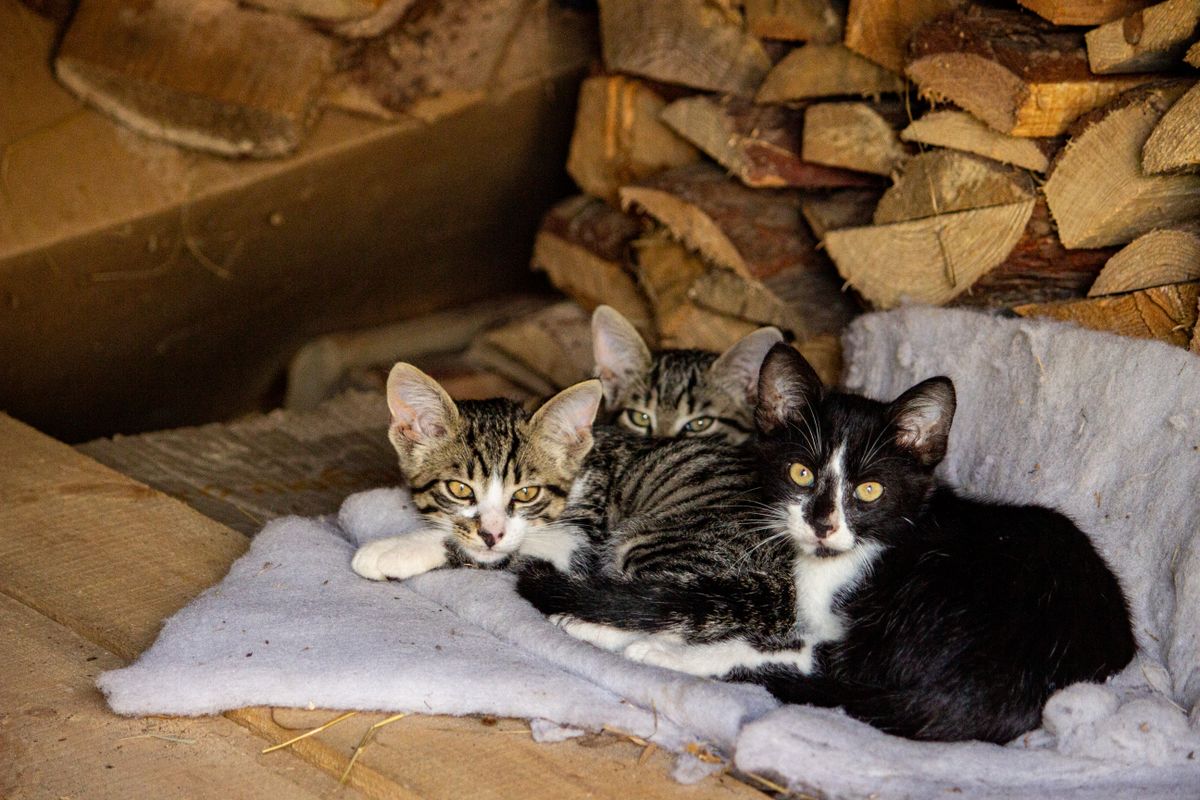
There’s one clear answer to kitten season, and it’s desexing. The RSPCA recommends desexing cats before four months of age, before puberty, rather than the older “six months” rule of thumb, because cats can reach sexual maturity surprisingly early. The RSPCA’s review of the evidence found pre-pubertal desexing is safe, and University of Sydney researchers also back desexing before four months, because it closes the window where a kitten can accidentally have kittens of its own. Desexing before puberty also removes the risk of unplanned pregnancy and significantly lowers the risk of mammary tumours in females.
Cost needn’t be a barrier. July is National Desexing Month in Australia, when participating clinics offer discounted procedures, and many councils and RSPCA branches run concession programs for pension or healthcare-card holders. Prices at private clinics vary with your cat’s sex, your location and the clinic, but subsidised options can cost considerably less: it’s worth asking your vet or council about affordable desexing programs well before spring.
| Question | Quick answer |
|---|---|
| When does breeding start? | Around August, as daylight lengthens |
| When do shelters fill? | Mid-October through summer and into autumn |
| Youngest breeding age | About 4 months |
| Litters per season | Up to 2 |
| Best prevention | Desex before 4 months of age |
Found a litter of kittens? Do this first
It’s tempting to scoop up kittens you find and rush them somewhere safe, but if their mum is nearby, you may be separating a healthy litter from the one thing keeping them alive. RSPCA NSW’s advice is to pause and assess before you act:
- Watch from a distance for a few hours (roughly 3–6) to see if the mother returns: she often leaves to find food or to hide from people.
- Try the flour trick: sprinkle a little flour around the nest and check later for her paw prints.
- If mum comes back and the kittens are warm and safe, leave them be: her milk and warmth give them the best odds of survival.
- If she doesn’t return, keep the kittens warm and call a vet for feeding advice before doing anything else.
- Only then contact a shelter: during kitten season many are full, but they can still point you to help.
Keep your own cat out of the count
Even one desexed, contained cat eases the pressure. Many councils, particularly in Victoria and the ACT, now have cat containment or curfew rules, so keeping your cat safely at home is increasingly the norm, and it stops unplanned mating with roaming toms. If you’re moving to indoor life, our guides to cat containment laws in Australia and building a catio are a good place to start.
Frequently asked questions
When is kitten season in Australia?
Breeding ramps up from about August as the days lengthen, and kittens arrive at shelters in large numbers from mid-October through summer and into autumn.
How young can a kitten get pregnant?
A female cat can breed from as young as four months old, which is exactly why vets recommend desexing before that age.
Is it too late to desex before this season?
No. Desexing at any age helps, and doing it now (before spring) prevents this season’s litters. Speak to your vet about timing and cost.
Key takeaways
- Kitten season is driven by daylight, starting around August in Australia.
- Cats can breed from four months and have up to two litters a season.
- Desexing before four months is the single most effective prevention.
- Found kittens? Watch for mum before you intervene.
About the author: GoPetr Writer writes about companion-animal welfare and everyday pet care for GoPetr. This article is general information only and isn’t a substitute for advice from a registered veterinarian, please consult your vet for guidance specific to your cat.