Here’s something that surprises most dog owners: dog incidents are a long-running, everyday safety problem for Australian posties and delivery drivers. The frustrating part? Many involve ordinary family dogs whose owners would never describe them as “aggressive”.
If you order parcels, get the mail delivered, or have a dog who loses the plot at the front gate, this one’s worth five minutes. A bit of preparation protects the people delivering to your door, and keeps your own deliveries from being cut off.
Why this is a problem right now
The online-shopping boom never really slowed down, which means more strangers walking up more driveways than ever before. No state is immune. Posties have copped bites, puncture wounds, scratches and lacerations, and in the worst cases have been knocked off their bikes or needed hospital treatment.
There’s a consequence for households too. Australia Post can suspend deliveries to a property (or even a whole street) once a postie has been threatened or injured. That means your parcels and letters may stop arriving until the safety concern is sorted out. It’s a blunt outcome, but an understandable one when staff are getting hurt on the job.
It’s usually not a “bad dog”: it’s normal instinct
Most delivery incidents aren’t about a dog being vicious. They’re driven by very normal canine behaviour. A stranger appears at the boundary, the dog barks, and within seconds the person leaves, so from the dog’s point of view, barking “worked”. Repeat that a few hundred times and you’ve trained a daily territorial routine without meaning to. The RSPCA notes that territorial and fear-based aggression are common types, and that aggression is often rooted in fear and anxiety (RSPCA Knowledgebase).
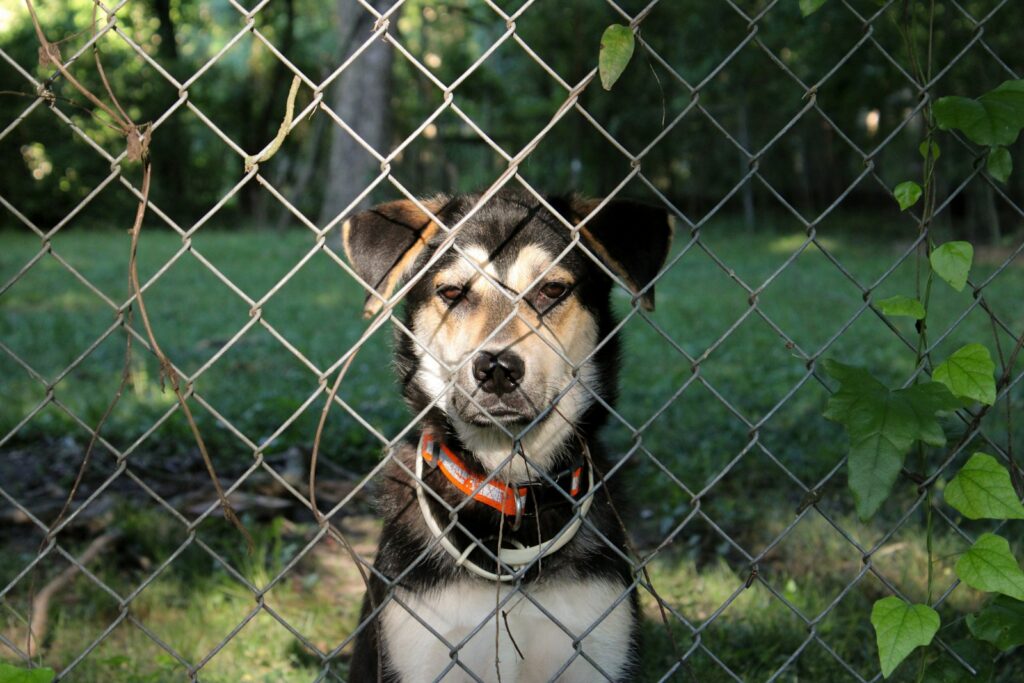
Fences and screen doors can make it worse, not better. Many dogs experience what trainers call barrier frustration: they can see and hear the visitor but can’t reach them, and that pent-up tension can tip an otherwise friendly dog into a snap or a chase the moment a gate is left open.
The single biggest mistake owners make
A common pattern is a dog that gets out onto the street, either by escaping the property or because it is already roaming free, and then chases the postie. In other words, the problem is often less the dog behind a closed gate. It’s the dog who slips out when the gate is ajar, the front door is opened for the delivery, or the kids forget to latch the side fence.
That’s actually good news, because containment is something every owner can control.
Practical steps for delivery time
- Secure the boundary. Check your gate latches and fencing, and consider a self-closing spring on the front gate so it can’t be left open.
- Separate before you open up. Pop your dog in another room, the backyard, or behind a baby gate before you answer the door for a parcel.
- Mind the front-door gap. A surprising number of escapes happen in the few seconds the door is open. Block the path with a screen door or your own body.
- Use a clearly marked, accessible spot. A safe drop-off location or a parcel box near the gate means deliveries don’t need to come into the dog’s space at all.
- Update your delivery instructions. Many carriers let you add a note like “dog on property: please leave at gate” in their app.
Teaching a calmer response
Containment keeps everyone safe today; training reduces the stress over time. A simple approach many owners find helpful is to give the dog a “job” when someone arrives: sending them to a mat or bed and rewarding calm behaviour there. Practising basic cues like “place”, “settle” or “quiet” when there’s no delivery happening makes them far more reliable when there is.
You can also build a more positive association with the doorbell or the sight of a uniform. Pairing those triggers with a scatter of treats can, with patience, turn “intruder alert” into “good things happen”. It won’t fix things overnight, and consistency from the whole household matters.
When to call in a professional
If your dog lunges, growls, snaps or shows teeth at visitors, treat that as a genuine safety issue rather than a quirk to manage on your own. Sudden changes in behaviour can also have a medical cause, so it’s worth ruling that out. Consult a licensed veterinarian or an accredited canine behaviourist for advice specific to your dog, they can build a safe, tailored plan and rule out any underlying health problems. The RSPCA recommends starting with your vet and using reward-based training, because punishment tends to make aggression worse (RSPCA Knowledgebase).
Frequently asked questions
Can Australia Post really stop delivering to my house because of my dog?
Yes. Australia Post can suspend deliveries to a property or street where a postie has been threatened or injured by a dog, until the safety concern is resolved. It’s a last resort, but it does happen.
My dog is friendly: do these tips still apply?
They do. Plenty of incidents involve dogs whose owners consider them friendly. Excitement, a chase instinct, or simply bolting out an open gate can lead to trouble even without any aggression, so secure containment is sensible for every dog.
What’s the most important single thing I can do?
Reliable containment. Since many incidents happen after a dog gets out onto the street, a secure gate and a habit of separating your dog before you open the door prevent a lot of problems.
Key takeaways
- Dog-related incidents are an everyday safety issue for posties and delivery drivers.
- Many involve ordinary family dogs, not “aggressive” ones: territorial barking and barrier frustration are normal instincts.
- Many incidents happen after a dog escapes or is roaming, so containment is your biggest lever.
- Secure gates, separate your dog before opening the door, and use safe drop-off spots and delivery notes.
- For growling, lunging or sudden behaviour changes, consult a vet or accredited behaviourist for a tailored plan.