Can Dogs Get Bird Flu? What Every Owner Should Know
Bird flu, also called avian influenza, has made headlines as outbreaks spread among wild birds, poultry, and a growing list of mammals. Understandably, many dog owners are now asking a simple but important question: can dogs get bird flu? The short answer is that infections in dogs appear to be rare, but they are biologically possible, and recent events have made the topic worth understanding. This article explains what is currently known, how the risk to dogs is generally viewed, and the practical steps owners can take to keep their pets safer.

What Is Bird Flu?
Avian influenza refers to a group of influenza A viruses that primarily circulate among birds. Certain strains, such as those in the H5N1 group, are described as highly pathogenic because they can cause severe illness and high mortality in poultry. While these viruses are adapted to birds, influenza viruses are known for their ability to change over time, and some strains have occasionally infected mammals, including wild and domestic animals.
Public health and animal health authorities monitor these viruses closely. Victoria’s Better Health Channel notes that a highly infectious H5N1 strain (clade 2.3.4.4b) has spread in birds and mammals across most of the world, that H5N1 has been detected in Australia, and that humans are rarely infected. The situation can evolve, so guidance from organisations such as veterinary associations and public health agencies may be updated as new information becomes available.
So, Can Dogs Get Bird Flu?
Based on currently available information, dogs are not considered a primary host for avian influenza, and confirmed infections in dogs have been uncommon. However, cases have been documented in dogs, cats and other mammals, and the MSD (Merck) Veterinary Manual says avian influenza is most often passed to cats and dogs when they eat an infected carcass, such as a dead wild bird. This suggests that while the risk appears low, it is not zero.
Dogs may be more likely to encounter the virus through behaviours that are natural to them, such as sniffing, mouthing, or eating dead or sick wild birds. Because of this, the level of risk can depend heavily on a dog’s environment and habits rather than applying equally to every pet.
Factors That May Increase Exposure Risk
- Roaming in areas with sick or dead wild birds, such as ponds, farms, or coastlines
- Hunting, scavenging, or eating raw birds or raw poultry products
- Close contact with backyard poultry flocks experiencing illness
- Living in regions actively reporting avian influenza outbreaks in animals
Possible Signs of Illness to Watch For
There is no single symptom that confirms avian influenza in a dog, and many of the signs below can be caused by far more common conditions. Still, it can help to be aware of general signs of respiratory or systemic illness, particularly if your dog has recently had contact with wild birds. These may include:
- Fever, lethargy, or reduced appetite
- Coughing, sneezing, or nasal or eye discharge
- Difficulty breathing
- Digestive upset such as vomiting or diarrhoea
- Neurological signs such as tremors or unsteadiness in more severe cases
If your dog shows concerning symptoms, especially after potential exposure to infected birds, contact your veterinarian. Consult a licensed veterinarian for diagnosis or treatment specific to your pet.
How to Help Reduce Your Dog’s Risk
While owners cannot eliminate every risk, several common-sense precautions may help reduce the chance of exposure. These steps are also good general hygiene and safety habits for pets:
- Discourage your dog from approaching, sniffing, or picking up dead or visibly sick birds
- Keep dogs leashed in areas where wild birds congregate, especially during reported outbreaks
- Avoid feeding raw poultry or allowing access to raw bird carcasses; the MSD Veterinary Manual notes some cats have been infected through raw poultry or raw-meat pet food
- Wash your hands after handling birds, bird feeders, or anything potentially contaminated
- Follow local guidance if avian influenza is being reported in your area
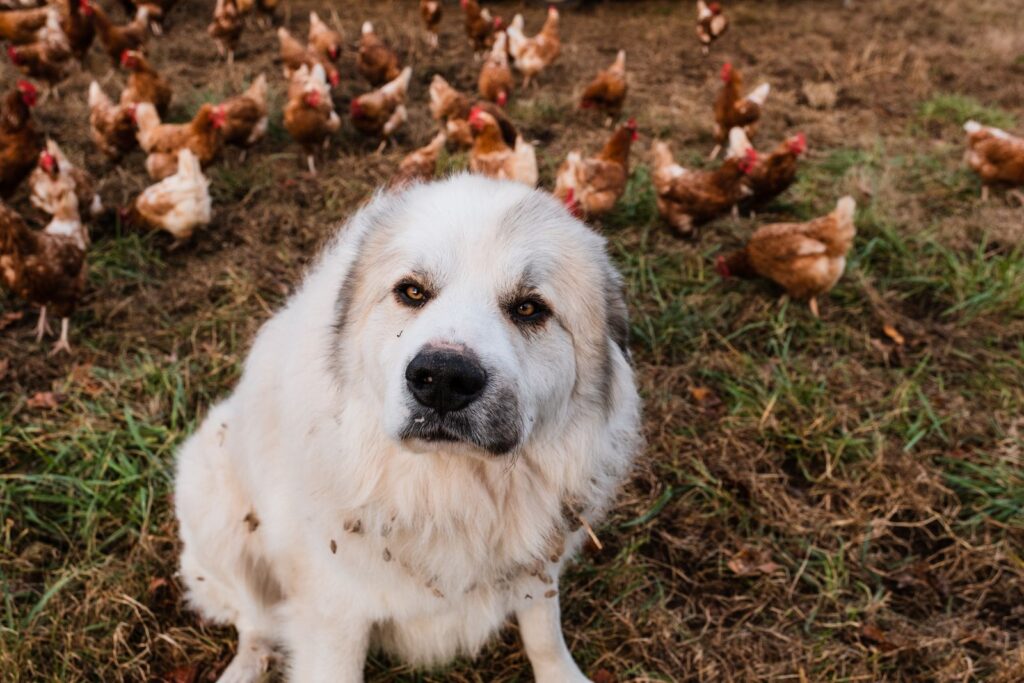
Owners of backyard chickens or other poultry may want to keep dogs separated from flocks that appear unwell and to follow recommended biosecurity practices from local agricultural or veterinary authorities.
Should Dog Owners Be Worried?
For most pet dogs living typical household lives, the risk of bird flu is generally considered low. The greater concern tends to apply to dogs with frequent, close exposure to wild birds or sick poultry. Rather than panic, a measured approach is usually most helpful: stay informed through reliable sources, reduce unnecessary exposure, and reach out to your veterinarian with specific questions about your pet.
Because the avian influenza situation can change, it is wise to rely on up-to-date guidance from veterinary professionals and public health agencies rather than older or unverified information.
Frequently Asked Questions
Can my dog catch bird flu from another dog?
Dog-to-dog transmission of avian influenza is not well established and is not considered a typical route of spread. Most documented mammal infections have been linked to contact with infected birds or contaminated environments. Your veterinarian can offer guidance based on the latest information.
Is it safe to walk my dog outside during a bird flu outbreak?
In most cases, normal walks are reasonable, particularly when dogs are kept on a leash and away from sick or dead birds. If your area is experiencing an active outbreak, follow local guidance and take extra care near places where wild birds gather.
Can people catch bird flu from their dog?
Human cases of avian influenza are uncommon and have mostly involved direct contact with infected birds. There is no strong evidence indicating that dogs are a common source of human infection. Practicing good hygiene around pets and animals remains a sensible precaution. For health concerns, consult a medical professional.
Final Thoughts
So, can dogs get bird flu? It appears to be possible but uncommon, with risk closely tied to a dog’s exposure to infected birds or contaminated environments. By staying informed, limiting unnecessary contact with wild birds, and maintaining good hygiene, owners can take practical steps to help protect their pets. When in doubt about your dog’s health or specific risks in your area, your veterinarian remains the best resource for personalized, up-to-date advice.