Short answer: yes, dogs can eat corn in moderation. Plain, cooked corn kernels are non-toxic to dogs and even show up in many commercial dog foods as a source of carbohydrates and energy. The real danger is not the kernels themselves but the corn cob, which is a serious choking and intestinal-blockage hazard. Read on for exactly how to serve corn safely, how much is okay, and the warning signs to watch for.
Is Corn Safe for Dogs?
Corn is one of the most common grains used in pet food, and for good reason. The kernels are easy to digest once cooked and, as the American Kennel Club notes, provide carbohydrates, protein, linoleic acid, and antioxidants. Plain corn is not toxic to dogs. It only becomes a problem when it is served on the cob, drenched in butter and salt, or fed in large amounts that crowd out a balanced diet.

The Benefits of Corn for Dogs
When fed plain and in small amounts, corn kernels can offer a few nutritional perks:
- Carbohydrates for quick, usable energy.
- Fibre that supports healthy digestion.
- Protein that contributes to muscle maintenance.
- Antioxidants such as lutein, which supports eye and skin health.
The Real Danger: Corn on the Cob
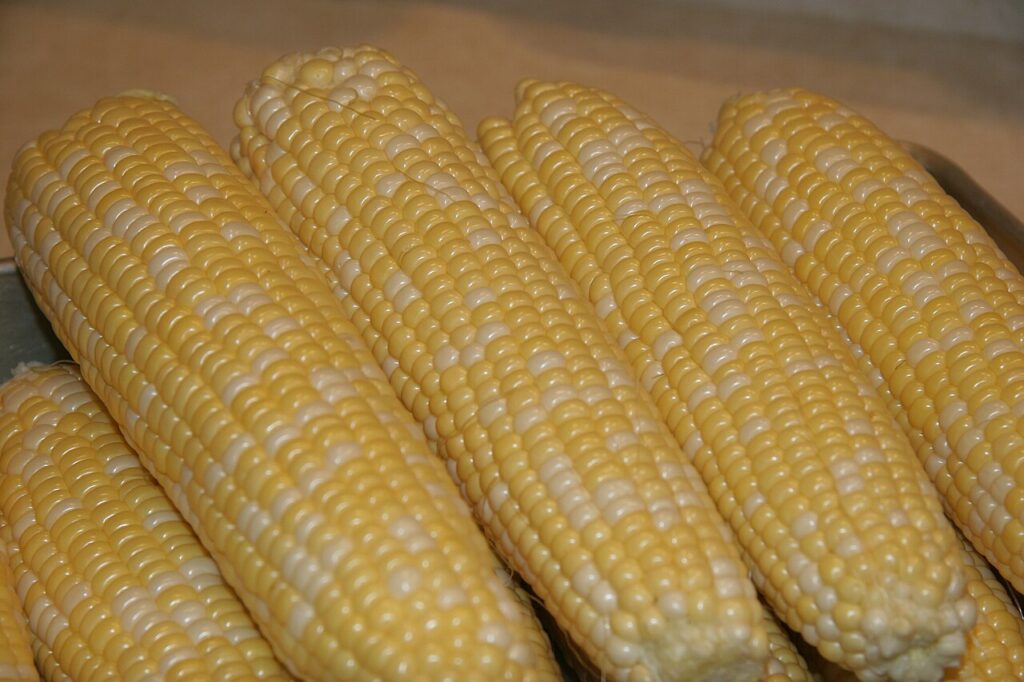
This is the part every dog owner needs to remember. Never let your dog chew or swallow a corn cob. RSPCA Australia lists corncobs among the foods you should never feed a dog. Dogs cannot break a cob down, and it does not dissolve in the stomach. A swallowed cob can lodge in the intestines and cause a life-threatening blockage that often requires emergency surgery. If your dog gets hold of a cob, call your veterinarian right away.
How to Safely Feed Corn to Your Dog
- Cut or scrape plain kernels off the cob before serving.
- Cook or steam it with no butter, salt, oil, or seasoning.
- Serve a small amount as an occasional treat, not a meal.
- Skip canned corn high in sodium and avoid buttered popcorn.
- Introduce it slowly and watch for any digestive upset.
How Much Corn Can a Dog Eat?
Treats, including corn, should make up no more than about 10% of your dog’s daily calories. For most dogs a small spoonful of plain kernels is plenty. Dogs with a known corn or grain allergy should avoid it entirely: signs of a food allergy include itchy skin, ear infections, and digestive upset. When in doubt, check with your veterinarian.
When to Call Your Vet
- Your dog swallowed a corn cob (call immediately).
- Vomiting or repeated dry heaving.
- Loss of appetite or a bloated, painful belly.
- Constipation or straining to pass stool.
- Lethargy or signs of abdominal discomfort.
Frequently Asked Questions
Can dogs eat corn kernels?
Yes. Plain, cooked corn kernels removed from the cob are safe for most dogs in small amounts.
Can dogs eat popcorn?
Plain, air-popped popcorn is okay in small amounts, but skip the butter, salt, and any unpopped kernels.
Is corn a common dog food allergy?
Corn is one of the foods dogs can be allergic to, but a 2016 review of the evidence found beef, dairy, chicken and wheat were the more commonly reported culprits. Most dogs digest corn without any issue.
The Bottom Line
Dogs can eat corn safely as long as it is plain, off the cob, and given in moderation. Keep the cob far out of reach, skip the salty and buttery toppings, and treat corn as an occasional snack rather than a dietary staple. Do that, and a few sweet kernels can be a perfectly healthy treat for your pup.