
Introduction
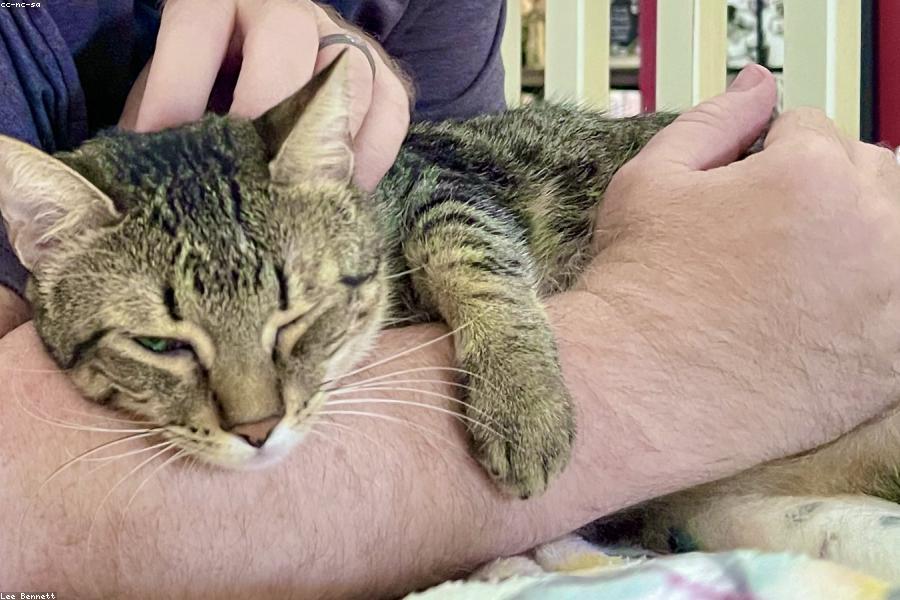
If your cat trails you from room to room, cries the moment you step out of sight, or insists on being part of everything you do, you may be living with a clingy cat. While cats have a reputation for being aloof and independent, many are deeply social animals that form strong bonds with their humans. A little extra attachment is usually nothing to worry about and can be one of the sweetest parts of sharing your home with a feline companion.
That said, it helps to understand the difference between a naturally affectionate cat and one that may be struggling with stress or separation anxiety. Recognising the signs early lets you respond in ways that keep your cat feeling secure and confident. Below are ten common signs of a clingy cat, along with gentle, practical context for each one. If any behaviour seems sudden, extreme, or paired with changes in eating, grooming, or litter habits, consult a licensed veterinarian for diagnosis or treatment specific to your pet.
1. They Follow You From Room to Room
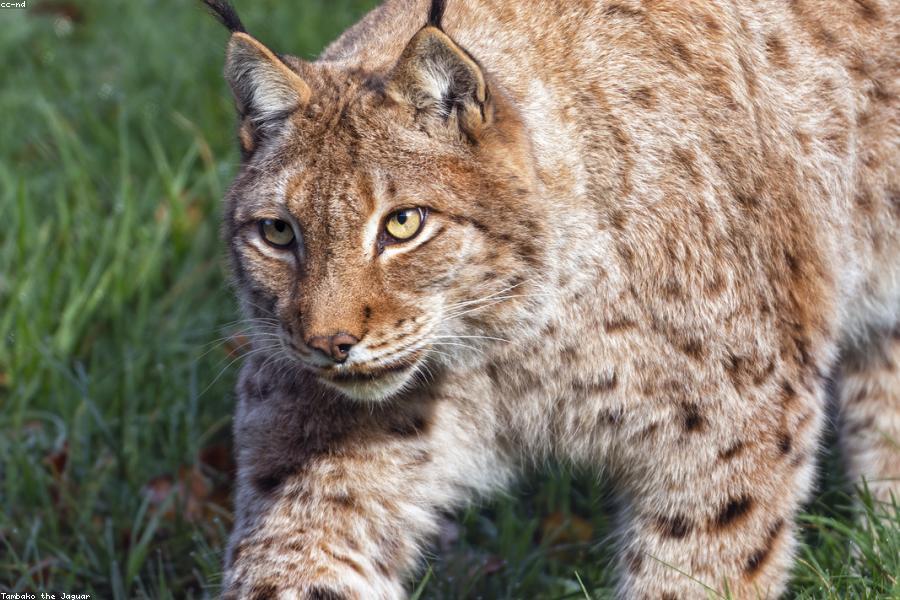
A clingy cat often acts like a furry shadow. Whether you are heading to the kitchen, the bathroom, or the home office, they are right behind you, ready to supervise. This behaviour is usually a sign of affection and curiosity rather than a problem. Cats are territorial, and to many of them, you are a central part of their territory and daily routine.
Following can also be tied to association: if you are the one who feeds them, opens doors, or offers cuddles, staying close simply makes sense from their point of view. As long as your cat seems relaxed and content while shadowing you, this is generally just their way of staying connected.
2. They Meow for Your Attention Constantly
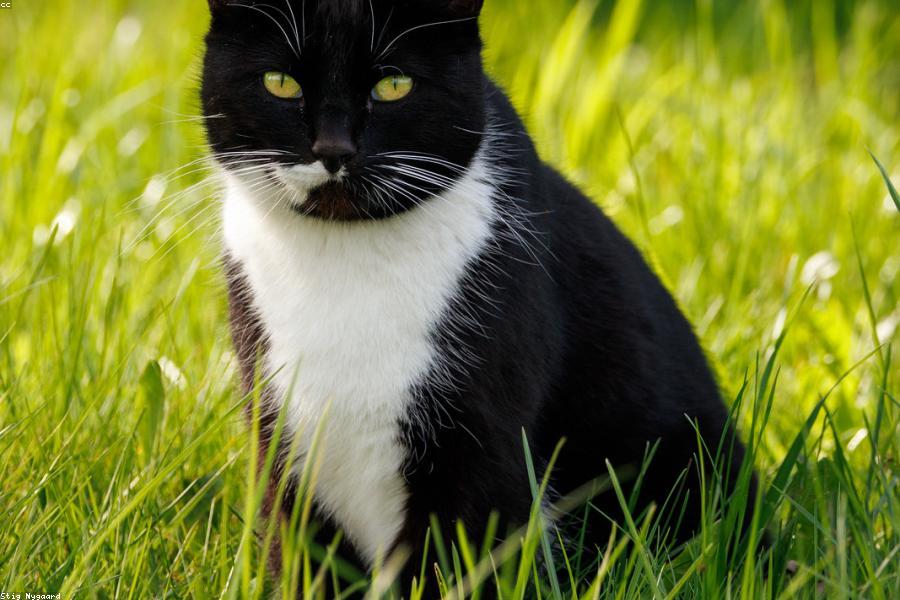
Vocal cats may meow, chirp, or trill whenever they want you to notice them. Interestingly, adult cats rarely meow at other cats; as the ASPCA’s guide to meowing explains, kittens meow to their mothers, but adult cats keep meowing mainly to communicate with people. A clingy cat may use it generously to ask for petting, play, or simply your company.
If the meowing increases noticeably or becomes more insistent than usual, it can occasionally signal boredom, hunger, or discomfort. Offering regular play sessions and predictable feeding times often helps. When excessive vocalising appears suddenly, it is worth ruling out medical causes with your veterinarian, particularly in older cats.
3. They Sleep On You or Right Beside You
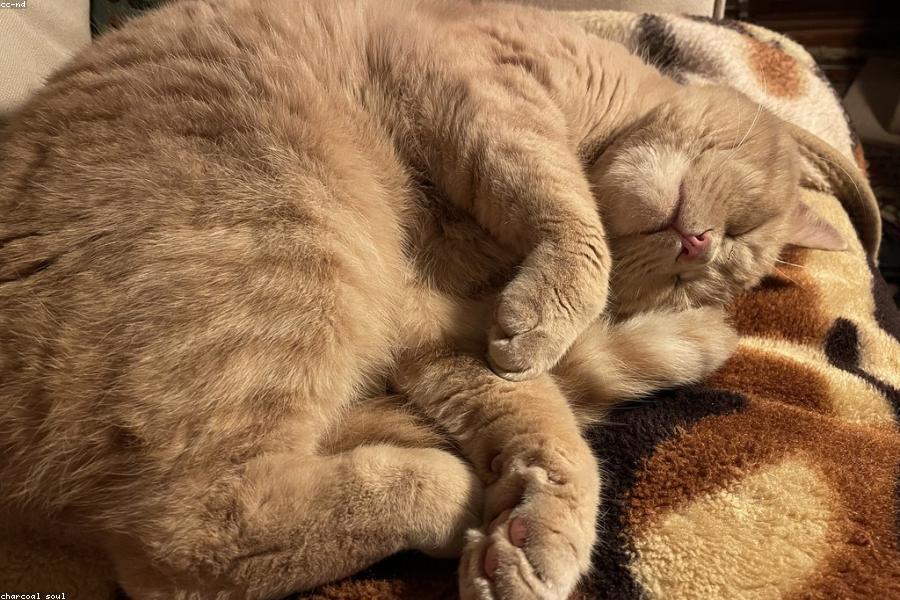
Sleep is a vulnerable time for any animal, so a cat choosing to nap on your lap, chest, or pillow is showing a high level of trust. Clingy cats frequently want to share your bed or settle as close to you as possible, drawn to your warmth and familiar scent.
This closeness is typically a positive sign of bonding. If you would prefer a little more personal space at night, you can gently encourage a cosy bed of their own nearby, placed in a warm, quiet spot, so your cat still feels near you without sharing the pillow.
4. They Want to Be Held or Carried

Not every cat enjoys being picked up, so one that actively seeks out being held or carried is showing a strong desire for closeness. A clingy cat might reach up toward you, climb into your arms, or settle contentedly against your shoulder for long stretches.
Always let your cat set the pace. Support their body securely, watch for signs they want down such as wriggling or flattened ears, and keep handling positive. Respecting their cues builds trust and keeps these cuddly moments enjoyable for both of you.
5. They Sit on Your Keyboard or Whatever You Are Doing

If you have ever tried to work from home with a cat, you know the keyboard is prime real estate. Clingy cats often plant themselves directly on your laptop, book, or paperwork, not to be difficult but to be near you and reclaim your attention.
From your cat’s perspective, the warm laptop and your focused stillness are an irresistible combination. Providing a comfortable perch beside your workspace, or scheduling a short play break before you start, can satisfy their need for connection while you get things done.
6. They Greet You at the Door Every Time
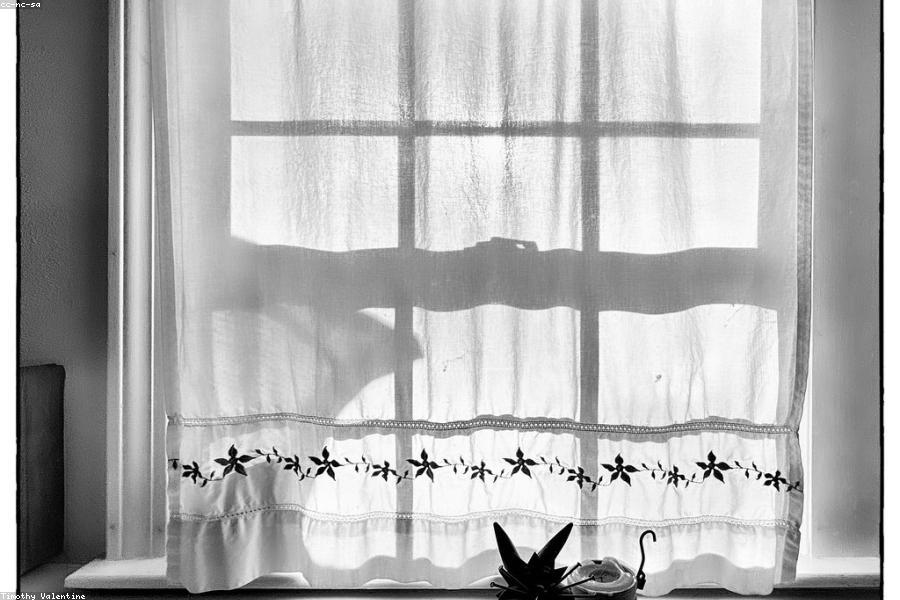
Many clingy cats learn your routine and wait near the door or window for your return. The enthusiastic greeting, complete with tail held high, head bumps, and happy chirps, is a genuine expression of attachment and excitement to see you.
This homecoming ritual shows that your cat anticipates and values your presence. Keeping arrivals and departures low key and calm can help an especially attached cat feel that comings and goings are a normal, unremarkable part of the day.
7. They Headbutt, Rub, and Knead You
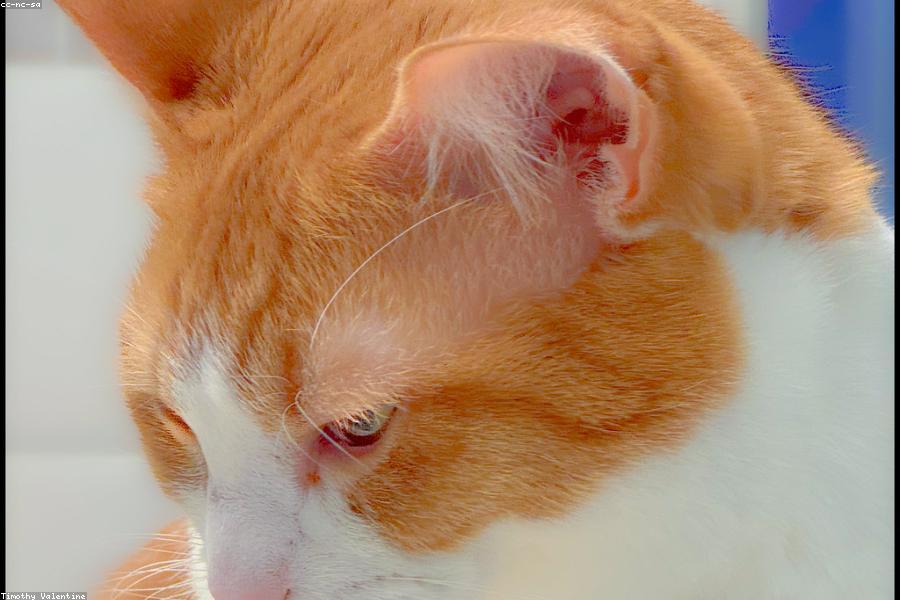
Head bumping, cheek rubbing, and kneading with their paws are some of the clearest affectionate behaviours cats show. When a cat rubs against you, they are mingling their scent with yours, a social gesture that marks you as familiar and trusted.
Kneading, sometimes called making biscuits, often dates back to kittenhood and signals comfort and contentment. A clingy cat may do this on your lap for minutes at a time. It is a soothing behaviour and usually a lovely sign your cat feels safe with you.
8. They Seem Anxious When You Leave
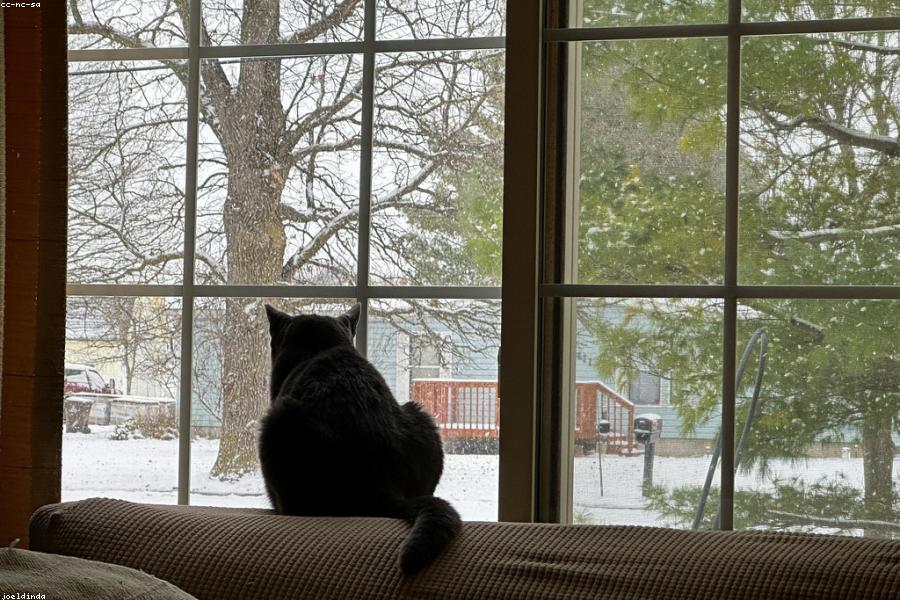
Some cats become visibly unsettled when their favourite person leaves. Signs can include pacing, excessive vocalising, over-grooming, or changes in appetite while you are away. In more noticeable cases, this may point to separation related stress rather than ordinary clinginess. A 2020 Brazilian owner survey published in PLOS One found destructive behaviour, excessive vocalisation and urinating in the wrong places were among the signs most often reported in cats with separation-related problems.
You can help an anxious cat feel more secure by leaving out engaging toys, a worn item of your clothing, or a food puzzle to keep them occupied. If the distress is significant or worsening, speak with a licensed veterinarian, who can rule out medical issues and suggest tailored strategies.
9. They Always Want Lap Time
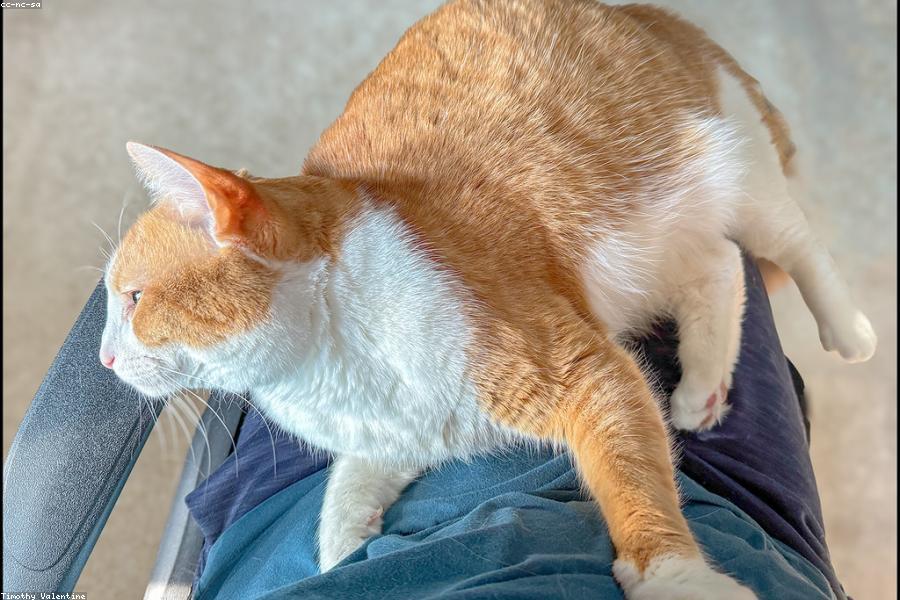
For a dedicated lap cat, your lap is the best seat in the house. Clingy cats often hop up the moment you sit down, settling in for a long cuddle and sometimes protesting when you need to get up. This is one of the most affectionate habits a cat can have.
Lap time offers warmth, security, and bonding for your cat, and many owners find it relaxing too. If you cannot offer a lap right then, a soft blanket placed beside you can become a welcome second-choice spot that still keeps your cat close.
10. They Watch Your Every Move

A clingy cat is often intensely tuned in to you, tracking your movements with watchful eyes from across the room. Far from being unsettling, this attentiveness usually means your cat is interested in you and waiting for the next chance to interact.
Cats also communicate through eye contact. A slow blink from your cat is widely understood as a sign of trust and affection, and you can return it to reassure them. A 2020 University of Sussex study in Scientific Reports found cats were more likely to slow blink back at people who slow blinked at them, and more likely to approach them. Steady watching, paired with relaxed body language, is simply your cat keeping their favourite person in view.
How to Support a Clingy Cat
A little clinginess is often just a sign of a strong, loving bond. Still, a few simple habits can help your cat feel more secure and balanced:
- Keep feeding, play, and rest times consistent so your cat knows what to expect each day.
- Offer daily interactive play to burn energy and strengthen your bond in a healthy way.
- Provide cosy perches, hiding spots, and window views to encourage independent comfort.
- Use food puzzles or toys to keep your cat engaged while you are busy or away.
- Keep departures and arrivals calm and low key to avoid building anticipation around them.
Most of the time, a clingy cat is simply an affectionate companion who adores your company. However, if attachment behaviours appear suddenly, intensify, or come with changes in eating, grooming, litter box use, or mood, it is best to consult a licensed veterinarian for diagnosis or treatment specific to your pet.
Conclusion
Sharing your home with a clingy cat can be wonderfully rewarding. The shadowing, the lap snuggles, and the head bumps are all ways your cat tells you they feel safe and bonded with you. By recognising these signs and offering a steady, enriching routine, you can help your cat stay confident and content, while enjoying the closeness that makes feline companionship so special.