
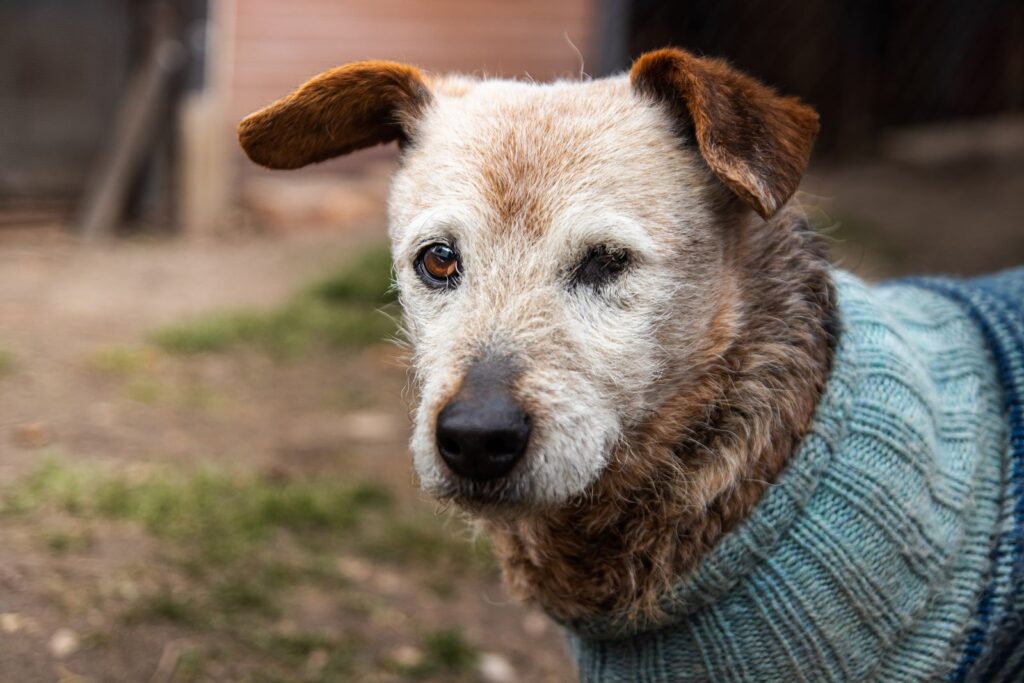
As the southern chill settles in, you might notice your old dog taking a little longer to rise from their bed, or your cat suddenly deciding the windowsill is too high to bother with. For many Australian pets, winter isn’t just cold – it’s genuinely uncomfortable. Arthritis is one of the most common health problems in our older companions, and the cooler months often make stiff, sore joints feel worse. The good news is there’s plenty you can do at home to keep your mate moving more comfortably.
Why winter makes arthritis worse
Arthritis (more correctly, osteoarthritis) develops when the smooth cartilage cushioning a joint gradually wears down. Without that cushion, bone rubs against bone, which leads to inflammation, pain and reduced movement. It’s most common in senior pets, but it can affect younger animals too, particularly larger breeds or those carrying extra weight.
Cold weather tends to amplify the discomfort. Lower temperatures can stiffen the joints and surrounding muscles, so a pet who copes reasonably well in summer may struggle to get going on a frosty Aussie morning. That’s why winter is the season many owners first realise something isn’t quite right.
Signs your dog or cat may have sore joints
Pets are masters at hiding pain, so the signals are often subtle and easy to put down to ‘just getting older’. Cats in particular rarely limp dramatically – instead they quietly stop doing things they used to enjoy.
In dogs, watch for:
- Stiffness or limping, especially after rest or first thing in the morning
- Reluctance to jump into the car, climb stairs or get onto the couch
- Slowing down or tiring quickly on walks
- Licking or chewing at a particular joint
- Irritability or a change in temperament when touched
In cats, watch for:
- Avoiding high perches they once leapt onto easily
- Hesitating at stairs or sleeping in lower, easier-to-reach spots
- A matted or unkempt coat, particularly over the lower back and hips, because grooming hurts
- Less interest in play, or being more withdrawn than usual
- Trouble getting in and out of the litter tray

If you spot any of these signs, it’s worth booking a check-up. A vet can confirm whether arthritis is the cause, rule out other problems and help you build a management plan. Consult a licensed veterinarian for diagnosis or treatment specific to your pet.
Practical ways to keep sore joints comfortable
Arthritis can’t be cured, but a combination of small, consistent changes can make a real difference to your pet’s comfort and mobility through winter.
1. Keep them warm and well padded
A supportive, well-cushioned bed – ideally orthopaedic or memory foam – takes pressure off tender joints. Move it away from draughts and cold tiles, and consider a safe, pet-rated heated bed for extra relief. A coat can help dogs with short coats, or those who have been clipped, hold onto a bit more warmth on chilly walks.
2. Make the home easier to navigate
Simple ramps or pet steps can save your dog or cat from painful jumps onto the bed, couch or into the car. For cats, lower-sided litter trays and food and water bowls placed at an easy height reduce the daily strain on sore limbs.
3. Keep moving – gently
It’s tempting to let an achy pet rest completely, but gentle, regular movement actually helps keep joints mobile and muscles strong. Shorter, more frequent walks on soft surfaces like grass are kinder than one long outing on hard pavement. Swimming is a great low-impact option for many dogs. Ask your vet how much exercise is right for your pet’s condition.
4. Watch the waistline
Extra kilos place added load on already-strained joints, and pets often move less and snack more over winter. Keeping your companion at a healthy weight is one of the most effective things you can do to ease arthritis pain. If you’re unsure of your pet’s ideal weight, your vet can advise.
5. Talk to your vet about extra support
Depending on the severity, your vet may suggest joint supplements, prescription pain relief, anti-inflammatory medication or therapies such as laser treatment. These are commonly used to support comfort and mobility, but they should always be guided by a professional rather than started on your own. Never give human pain medications to pets, as many are toxic to them.
A small effort, a big difference
Winter doesn’t have to be a miserable season for an arthritic pet. By keeping them warm, adjusting the home, encouraging gentle movement and partnering with your vet, you can help your dog or cat stay comfortable and content through the cold months. Many owners find that a few thoughtful changes bring noticeable improvement – and a happier, more mobile companion is well worth the effort.