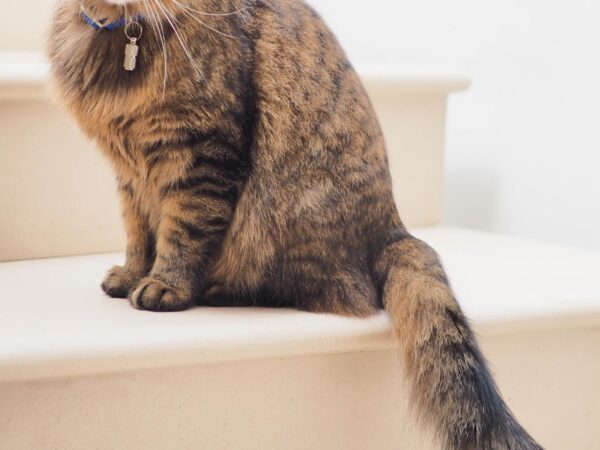

The Rental Squeeze Is Hitting Pets Hardest
Finding a rental is hard enough right now. Add a dog or cat to the application and it can feel close to impossible. Rising rents and a tight market have pushed pet ownership near the top of the reasons Australians are handing animals to shelters. The RSPCA has reported record surrenders and long waitlists, with rental trouble and general affordability among the leading causes. The better news is that the rules have shifted in renters’ favour over the past few years, and a bit of preparation goes a long way. Here’s how to keep your pet and still land the lease.
Your Rights Have Changed – State by State
A blanket “no pets” clause in a lease is now largely unenforceable across the country. In most states the rule is simple: you apply for consent, and the landlord can only refuse on specific, reasonable grounds within a set timeframe. The detail varies by state, so treat this as a starting point and confirm the current wording with your local tenancy authority.
- New South Wales: Apply for consent to keep an animal. The landlord has 21 days to respond, and if they don’t reply in time the pet is automatically approved. They can’t charge extra bond or rent just because you have a pet.
- Victoria: A landlord who wants to say no must apply to VCAT within 14 days of your request, and only on limited grounds – otherwise consent is taken to be given.
- Queensland: Since the 2021 rental reforms, landlords must respond to a pet request within 14 days and can refuse only on specific reasonable grounds set out in the legislation.
- Western Australia: The only state that allows a separate pet bond, capped at $260. Elsewhere, your standard bond is the only bond, no matter how many pets you have.
- Other states and territories: Broadly follow the same “apply and reasonable grounds” approach, but timeframes and detail differ – check your state consumer or tenancy body before you apply.
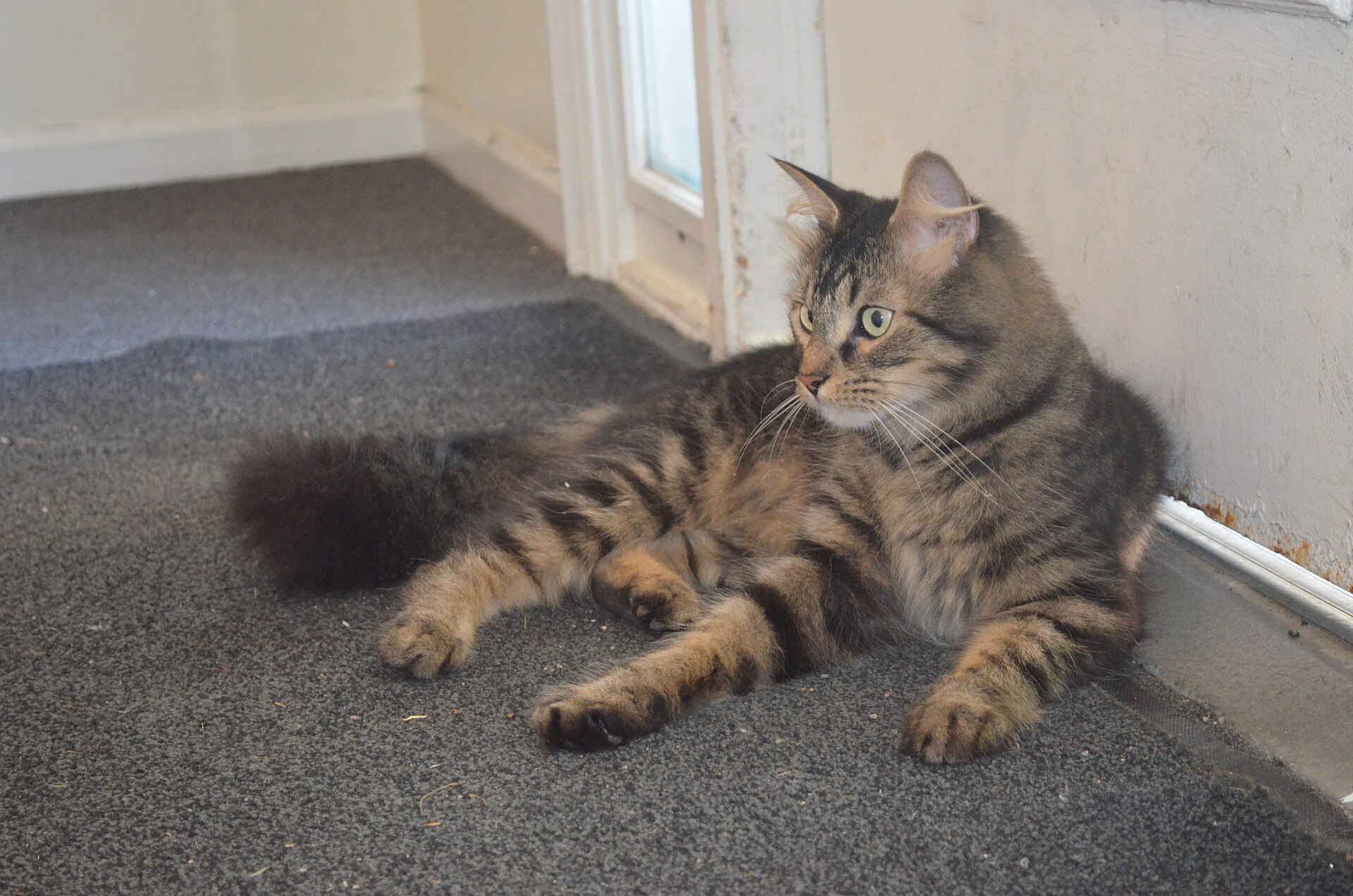
Write a Pet Resume That Lands the Lease
A one-page “pet resume” is one of the simplest ways to stand out. It reassures an agent that you’re a responsible owner and takes the guesswork out of their decision. Keep it clear and honest, and include:
- A photo and the basics: your pet’s name, breed, age, weight, desexing status, plus microchip and council registration numbers.
- Proof of care: vaccination records, up-to-date flea and worm treatment, and a short reference from your vet.
- References: a note from a previous agent or landlord confirming there were no complaints or damage.
- Reassurance: offer in writing to cover any pet-related damage, and mention the practical steps you take – regular nail trims, scratching posts, or a dog walker on work days.
Struggling to Find a Place? Help Is Available
If you’ve been knocked back more than once, you’re not alone, and there are ways to widen your odds without giving up your pet.
- Filter listings for pet-friendly properties and stretch your search area a little further than you’d planned.
- Talk to the agent early and offer a quick “meet the pet” so a calm, well-groomed animal can speak for itself.
- Lean on welfare groups. The RSPCA and similar organisations offer subsidised desexing, emergency or temporary boarding for people escaping domestic violence or homelessness, and pet food banks in some areas.
- If you’re at breaking point, ask a shelter about alternatives before surrendering. Waitlists are long, but staff can often point you to support you didn’t know existed.
Every pet and property is different. For health, behaviour or specific tenancy questions, speak with a licensed veterinarian or your state tenancy authority for advice tailored to your situation.
Frequently Asked Questions
Can a landlord say no to pets in Australia?
Rarely a flat no these days. In most states the landlord must consider your request and can refuse only on specific grounds within a set timeframe. If they miss the deadline in states like NSW, Victoria and Queensland, consent is often taken as automatically given. Always confirm the current rules with your state tenancy authority.
Can I be charged extra bond or rent for a pet?
In NSW, no – landlords can’t increase bond or rent because of a pet. Western Australia is the only state that allows a separate pet bond, capped at $260. Everywhere else, your standard bond covers any pet-related damage.
What should a pet resume include?
A clear photo, your pet’s details (breed, age, desexing, microchip and registration), vaccination and flea/worm records, and references from your vet or a past landlord confirming good behaviour.
Key Takeaways
- Blanket “no pets” clauses are largely unenforceable – you apply for consent and landlords can refuse only on set grounds.
- Response deadlines matter: silence past 14 or 21 days (state depending) often counts as approval.
- Only WA allows a separate pet bond ($260); NSW bars extra bond or rent for pets.
- A tidy pet resume with records and references is your strongest tool.
- Welfare groups offer real support – reach out before considering surrender.