Winter Is Quietly the Season Your Pet Piles On the Kilos
Every Aussie winter follows the same pattern in our homes: the walks get shorter, the couch gets cosier, and the treat jar somehow empties faster. It feels harmless — a little extra comfort food and a few skipped walks when it’s dark and cold by 5pm. But for a lot of dogs and cats, those small winter habits add up to real weight gain by the time spring arrives, and it’s one of the most preventable health problems a pet owner will ever face.
The tricky part is that pet weight creeps on slowly. We see our animals every day, so an extra half-kilo here and there is almost invisible until the vet mentions it — or until those sore winter joints start to flare. Here’s what’s really going on, and a practical, vet-backed plan to keep your pet in shape through the cold months.
How Common Is Pet Obesity in Australia?
It’s far more common than most owners realise. Australian veterinary and pet-industry data suggest that roughly 40% of dogs and around a third of cats are carrying more weight than they should. In one Australian study of dogs examined in veterinary practices, about a third were overweight and a smaller group were classed as obese — figures that have only trended upwards as our pets become full members of the family.
Why does it matter so much? Carrying extra weight isn’t just a cosmetic issue. According to Australian veterinary sources, excess fat is linked to osteoarthritis and joint injuries, breathing difficulties, heart strain and a markedly higher risk of diabetes — particularly in cats. Pet Food Industry Association figures note that for every kilogram a cat carries above its ideal weight, insulin sensitivity drops sharply. Put simply, a leaner pet generally lives a longer, more comfortable life.
Why “Just Feed Less” Often Backfires
The instinctive fix is to tip a bit less into the bowl. The problem, as veterinary researchers writing in The Conversation have pointed out, is that simply cutting portions often doesn’t work on its own — and can even backfire. Hungry pets beg more, wolf down their smaller meals and then pester us until we cave with a treat. Many owners feel guilty and quietly undo their own good work.
The more effective approach treats weight as a behaviour and lifestyle issue, not just a maths problem. That means accounting for every treat and scrap, choosing a complete food that keeps your pet feeling satisfied, and burning energy through play and foraging rather than starving the bowl. It’s a gentler, more sustainable path — and it suits winter, when getting outside is half the battle.
The 60-Second Rib Check
You don’t need scales to spot a problem early. Vets use a body condition score on a 1–9 scale, where 5 is ideal, and you can do a rough version at home in under a minute:
- Ribs: Run your hands along your pet’s sides. You should feel the ribs easily under a thin layer of fat, without pressing hard. If you can’t find them, that’s a red flag.
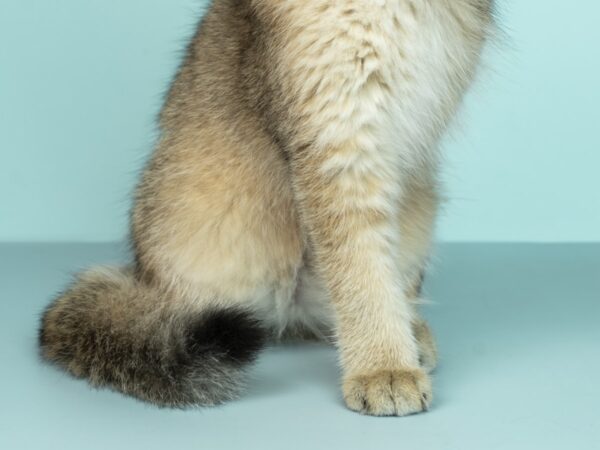
- Waist: Looking down from above, there should be a visible tuck in behind the ribs — an hourglass, not a barrel.
- Profile: From the side, the belly should tuck up towards the back legs rather than hanging level or sagging.
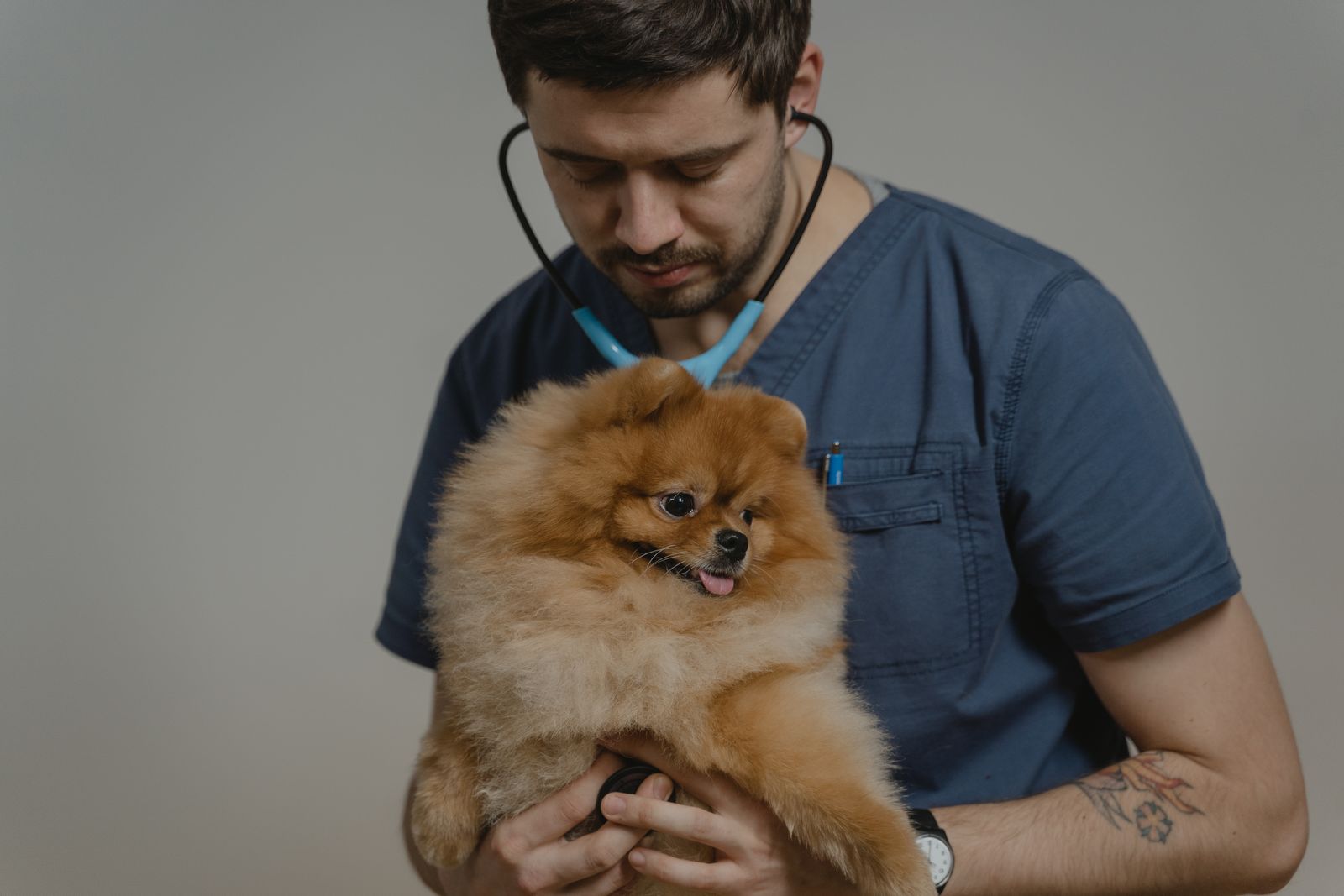
If the ribs are buried and the waist has vanished, it’s worth a chat with your vet. Consult a licensed veterinarian for an accurate assessment and a weight plan tailored to your pet’s age, breed and health.
Five Winter-Proof Ways to Keep Your Pet Trim
- Measure, don’t guess. Use a proper measuring cup or kitchen scales for meals, and check the feeding guide for your pet’s target weight, not its current one.
- Bring exercise indoors. When it’s cold and dark, swap one walk for indoor play — stairs, hallway fetch, a flirt pole for cats, or short training games. Our winter enrichment ideas are built for exactly this.
- Make food work for it. Puzzle feeders, snuffle mats and scatter-feeding turn a 30-second meal into 10 minutes of activity, which curbs begging and burns energy.
- Budget your treats. Treats should make up no more than around 10% of daily calories. Swap commercial treats for a few pieces of your pet’s own kibble or some pet-safe veg.
- Mind the joints. Extra weight makes cold-weather stiffness worse, so trimming down is one of the kindest things you can do for an older pet — see our guide to easing winter arthritis.
Frequently Asked Questions
Do pets really gain more weight in winter?
Many do. Colder, darker days usually mean less exercise and more comfort feeding, while the energy a pet burns simply keeping warm rarely makes up the difference. The result is a slow gain that’s easy to miss until spring.
How do I know if my dog or cat is overweight?
Do the rib-and-waist check above, or ask your vet for a body condition score. If you can’t easily feel the ribs and there’s no visible waist, your pet is likely carrying too much.
How quickly should my pet lose weight?
Slowly and under guidance. Rapid weight loss — especially in cats — can be dangerous, so always work to a plan set by your veterinarian rather than crash-dieting at home.
Key Takeaways
- Australian winters quietly encourage weight gain through less activity and more treats.
- Roughly 40% of dogs and a third of cats are already overweight, raising the risk of arthritis, diabetes and heart strain.
- Cutting food alone often fails — combine measured meals, treat control and indoor activity instead.
- Use the 60-second rib check monthly, and see your vet for a proper body condition score and weight plan.
This article is general information only and is not a substitute for veterinary advice. Consult a licensed veterinarian for diagnosis or treatment specific to your pet.