If your cat has started sneezing, gone quiet on dinner, or developed weepy eyes as the cold weather settles in, you are not imagining a winter pattern. Like our own colds, cat flu tends to flare in the cooler months, and Aussie vets see a steady rise in runny-nosed cats from June onwards. Here is what is actually going on, when a sniffle becomes a vet trip, and the simple things you can do at home to help your cat through it.
What cat flu really is
“Cat flu” is the everyday name for an upper respiratory tract infection in cats. Despite the name, it is nothing to do with human influenza and you cannot catch it from your cat. Most cases are caused by two viruses — feline herpesvirus (FHV-1) and feline calicivirus (FCV) — sometimes with bacteria such as Bordetella, Chlamydia felis or Mycoplasma joining in. A study of cats arriving at an RSPCA shelter in Queensland found 43% were shedding at least one of these respiratory bugs on admission, which shows just how common they are in the local cat population.
Signs to watch for this winter
Cat flu looks a lot like a heavy human cold, and the signs usually appear within a few days of exposure. Keep an eye out for:
- Repeated sneezing and a snotty or runny nose
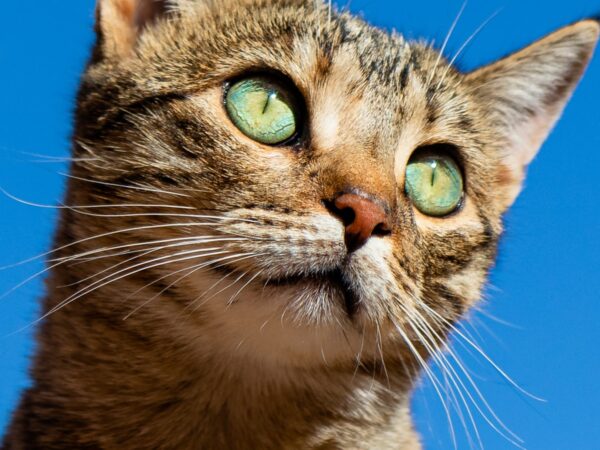
- Weepy, red or squinty eyes, sometimes with discharge
- Loss of appetite (often because a blocked nose dulls their sense of smell)
- Dribbling, mouth ulcers or pain when eating
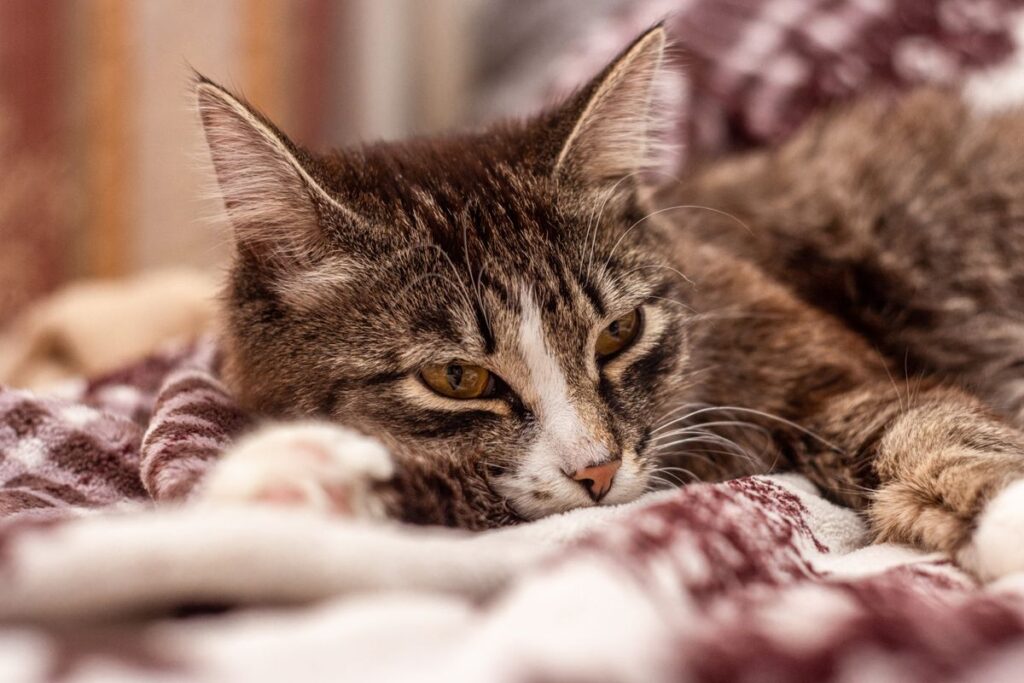
- Fever, tiredness and hiding away more than usual
Clear discharge usually points to the virus itself. If it turns thick, yellow or green, a secondary bacterial infection may have set in and your cat will likely need a vet’s help.
Why winter makes it worse
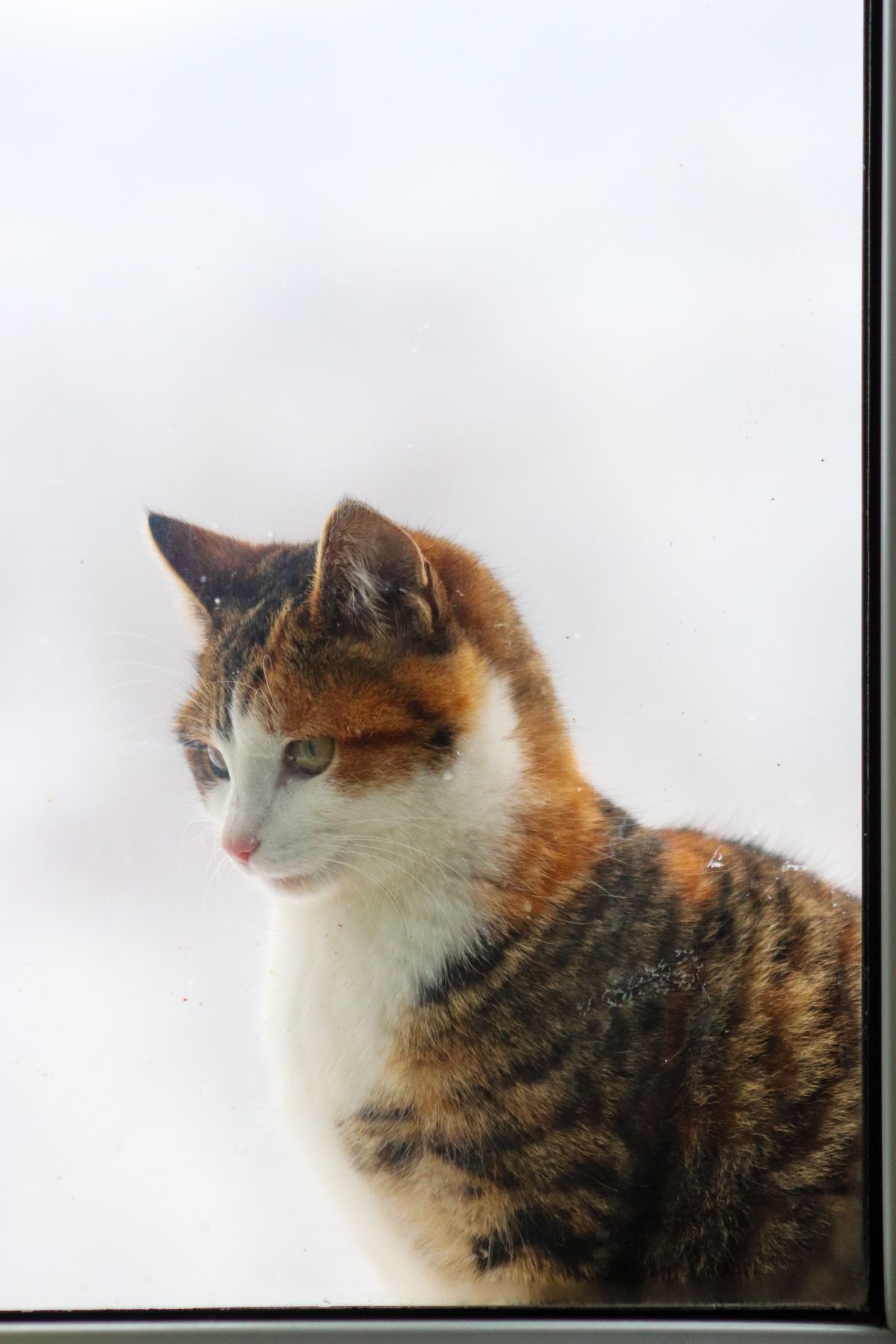
Cooler, damp conditions help these viruses survive longer in the environment, and cats tend to huddle indoors together more in winter, which makes spreading easier. The virus passes through sneeze droplets and shared bowls, bedding and litter trays. There is also a stress link worth knowing about: most cats that recover become lifelong carriers, and stressful events such as boarding, a house move or a new pet can trigger them to start shedding the virus again. The Queensland shelter research backed this up, finding that each extra relocation lifted a cat’s risk of developing clinical signs by around 51%. In short, a calm, stable winter routine genuinely helps.
Caring for a cat with the sniffles at home
There is no quick antiviral cure, so treatment is mostly about supportive care while your cat’s immune system does the work. A few things that help:
- Gently wipe away eye and nose discharge with a warm, damp cloth
- Tempt their appetite with warmed, strong-smelling food such as fish or a quality wet food
- Sit with them in the bathroom during a hot shower — the steam can ease a blocked nose
- Keep them warm, indoors and away from other cats while they recover
- Make sure they keep drinking, as dehydration sets in quickly when cats stop eating
Antibiotics only help if a bacterial infection is involved, so do not give human medications or leftover pet medicines. Consult a licensed veterinarian for diagnosis or treatment specific to your cat.
When to call the vet
Mild cases in healthy adult cats often settle within a week or two, but book a vet visit sooner if your cat stops eating for more than a day, struggles to breathe, has thick coloured discharge, develops painful mouth ulcers, or seems very flat. Kittens, senior cats and any cat with a weaker immune system can become seriously unwell quickly, so do not wait it out with them.
Prevention: vaccination and stress-busting
The single best protection is keeping vaccinations up to date. The standard F3 vaccine cats receive covers both cat flu viruses, starting as kittens with boosters as your vet recommends. Vaccination will not always stop infection outright, but vaccinated cats tend to get far milder symptoms. Beyond that, reducing winter stress, keeping food and litter areas clean, and isolating any sneezing cat from the rest of the household all lower the odds of an outbreak at home. For more on keeping cats comfortable in the cold, our guide on keeping your cat warm this winter pairs well with this one, and if your cat is also straining in the litter tray, read up on winter bladder problems in cats.
Frequently asked questions
Can humans catch cat flu?
No. The viruses that cause cat flu only affect cats, so you and your family are not at risk from a sneezing cat. You can, however, carry the virus on your hands or clothes between cats, so wash up after handling an unwell cat.
How long does cat flu last?
Most mild cases improve within 7 to 14 days, though some cats take longer. Many remain lifelong carriers and may have occasional flare-ups during stressful periods.
Can an indoor-only cat still get cat flu?
Yes. A previously infected carrier cat can flare up on its own, and the virus can be brought in on hands, shoes or shared items. Vaccination is still recommended for indoor cats.
Is cat flu dangerous?
It is usually manageable in healthy adult cats but can be serious or even life-threatening in kittens, elderly cats and those with weak immune systems, so early vet care matters for vulnerable cats.
Key takeaways
- Cat flu is a common winter upper respiratory infection caused mainly by feline herpesvirus and calicivirus, not human flu.
- Watch for sneezing, runny eyes and nose, mouth ulcers and a drop in appetite.
- Most cats recover with supportive home care, but kittens and senior cats need prompt veterinary attention.
- Keeping vaccinations current and winter stress low is the best way to prevent it.