
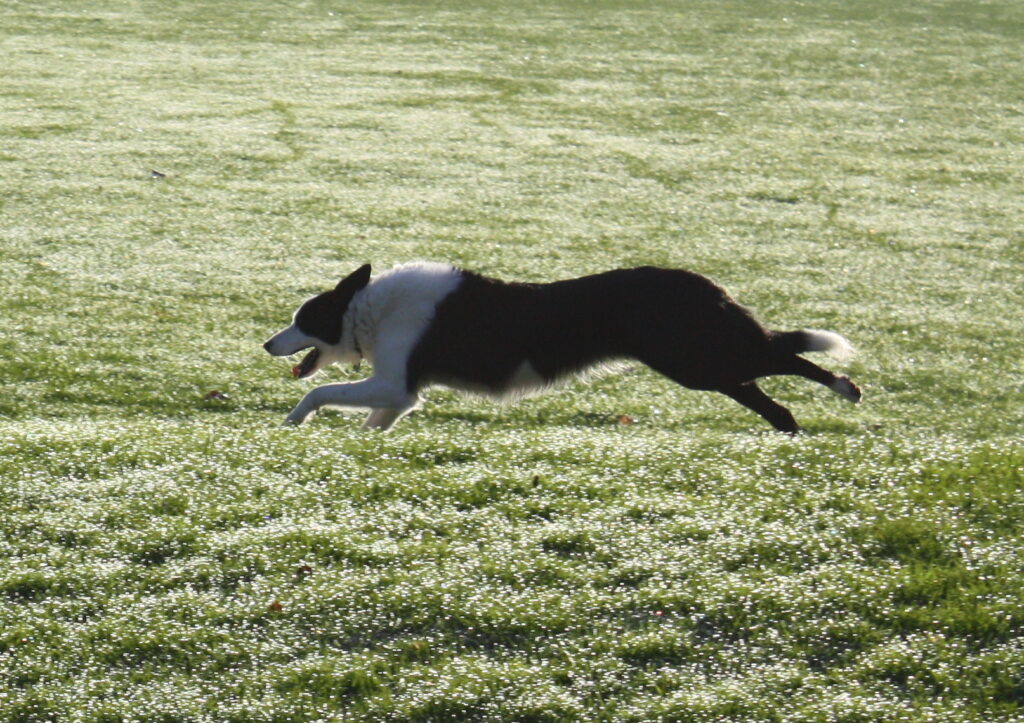
Ask most Aussie pet owners when tick season is, and they’ll say summer. So when the weather turns cold, plenty of us quietly let the tick prevention lapse — figuring the paralysis tick has packed up for the year. Unfortunately, that assumption is exactly what catches dogs and cats out. Vets are increasingly seeing paralysis tick cases closer to year-round, and in some parts of the country the season is only just warming up in the middle of winter.
Winter is not the tick-free zone we think it is
The Australian paralysis tick (Ixodes holocyclus) lives along the humid eastern coastline, roughly from far north Queensland down to eastern Victoria’s East Gippsland, mostly within about 20 kilometres of the coast but reaching further inland wherever there’s moist, bushy habitat. It is a native parasite, and it is the reason tick prevention is treated so seriously on the east coast.
Here’s the catch with winter: the tick doesn’t simply die off. In the warmer northern parts of its range, ticks can be active in any season, and nymphs are actually more common in the cooler months. In the south, the paralysis tick season traditionally ramps up from around August into spring — and a mild winter can bring it on earlier. In short, dropping prevention in July can leave your pet exposed right as the southern season begins.
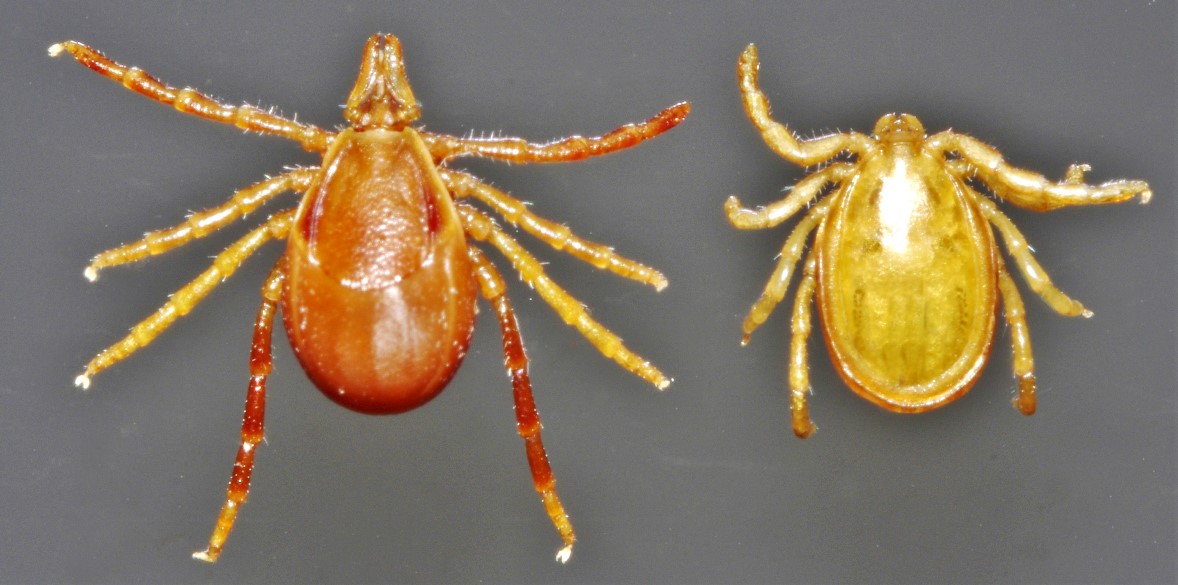
What tick paralysis looks like — and why it’s an emergency
A paralysis tick injects a toxin in its saliva that causes a gradually worsening, ascending paralysis. It is potentially fatal, and it is genuinely a veterinary emergency. Signs usually appear about five to nine days after a tick attaches, and — importantly — they can keep developing for 24 to 36 hours even after the tick is removed.
Early warning signs in dogs and cats can be subtle at first:
- A change in voice — a weaker, altered or lost bark or meow
- Wobbliness or weakness, usually starting in the back legs and moving forward
- Vomiting, regurgitation or drooling
- Faster or more laboured breathing, or a grunting sound
- Dilated pupils
If you notice any of these, treat it as an emergency and see a vet straight away — don’t wait to see if things improve on their own. A tick antiserum (antitoxin) is available in Australia and works best when given early, because it can neutralise toxin that hasn’t yet bound to the nerves. The sooner your pet is treated, the better the outlook tends to be.
How to check your pet for ticks
No preventative is 100 per cent effective, so the RSPCA and Australian vets recommend a thorough tick search at least once a day — even if your pet is on a tick product. Run your fingertips slowly through the coat, right down to the skin, feeling for a lump. Around 70 per cent of ticks attach around the head, neck and shoulders, so start there, but check everywhere:
- Around the face, lips, eyes and inside the ears
- Under the collar and along the neck and shoulders
- Between the toes and around the paw pads
- Under the tail, around the bottom and the groin
- Along the belly and in any skin folds
Long-haired pets are trickier, so take your time — after a bush or beach walk is a good moment to feel over the whole body. Daily searches pair naturally with your other cold-weather routines, like winter worming and flea control that doesn’t stop in winter.
Keeping prevention going through the cold months
For dogs, the main class of tick preventatives is the isoxazolines (look for active ingredients such as afoxolaner, sarolaner, fluralaner and lotilaner), which have been shown to work against the Australian paralysis tick. They come as chews and spot-ons with different durations, so ask your vet which suits your dog and your area.
Cats need extra care. There are fewer registered tick-prevention options for cats, and — this part matters — several dog products are highly toxic to cats. Products containing permethrin in particular can be fatal to a cat and must never be applied to them. Never use a dog’s tick or flea treatment on your cat unless it is specifically registered for cats. Always choose products in consultation with a licensed veterinarian, and follow the dosing for your pet’s species and weight.
If you find a tick
Remove it promptly with a tick remover, “tick twister” or fine-tipped tweezers — grasp as close to the skin as you can and lift with steady pressure, trying not to squeeze the tick’s body. Then keep your pet calm and contact your vet as soon as possible, because paralysis is life-threatening and can develop even after the tick is gone. Keep searching too, as pets can carry more than one. Removing the tick doesn’t guarantee your pet won’t show signs, so watch closely and get to a vet immediately if anything seems off.
Frequently asked questions
Do paralysis ticks really die off in winter?
No — that’s a common myth. In northern parts of the range ticks can be active all year, nymphs are actually more common in winter, and in the south the season often begins around August. Milder winters can start it earlier. Winter is not a safe time to pause prevention or daily tick checks.
My pet is on a tick preventative — do I still need to search for ticks?
Yes. No product is 100 per cent effective, so the RSPCA and Australian vets recommend a full tick search at least once a day, concentrating on the head, neck and shoulders where most ticks attach. Preventatives and daily searches work together; one doesn’t replace the other.
Can I use my dog’s tick product on my cat?
No. Never use a dog tick or flea product on a cat unless it’s specifically registered for cats. Some dog products, especially those with permethrin, are highly toxic and can be fatal to cats. Ask your vet which products are safe and appropriate for your cat.
Key takeaways
- The Australian paralysis tick lives along the east coast and does not disappear in winter — the southern season can begin around August.
- Tick paralysis is potentially fatal and a veterinary emergency; early signs include a changed bark or meow, wobbly back legs, vomiting and breathing changes.
- Search your dog or cat for ticks at least once a day, even on preventatives, focusing on the head, neck and shoulders.
- Keep prevention going year-round, and never put a dog’s tick product on a cat — permethrin can be fatal to cats.
- If you find a tick or see any signs, treat it as an emergency and see a licensed vet immediately.
This article is general information only and is not a substitute for veterinary advice. For diagnosis, treatment or product choices specific to your pet, please consult a licensed veterinarian.