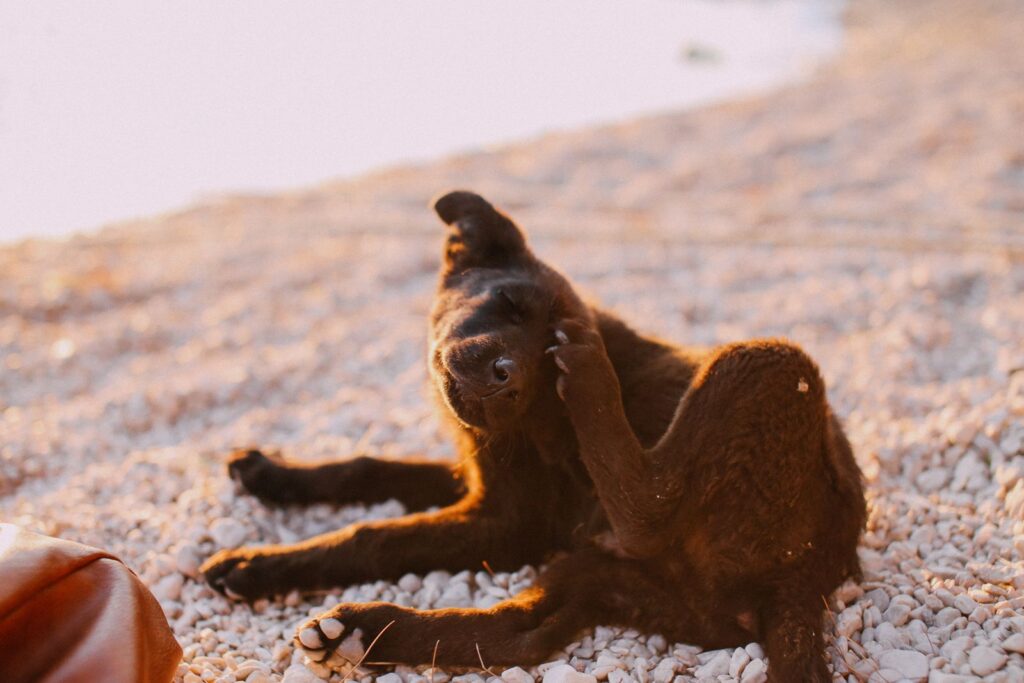
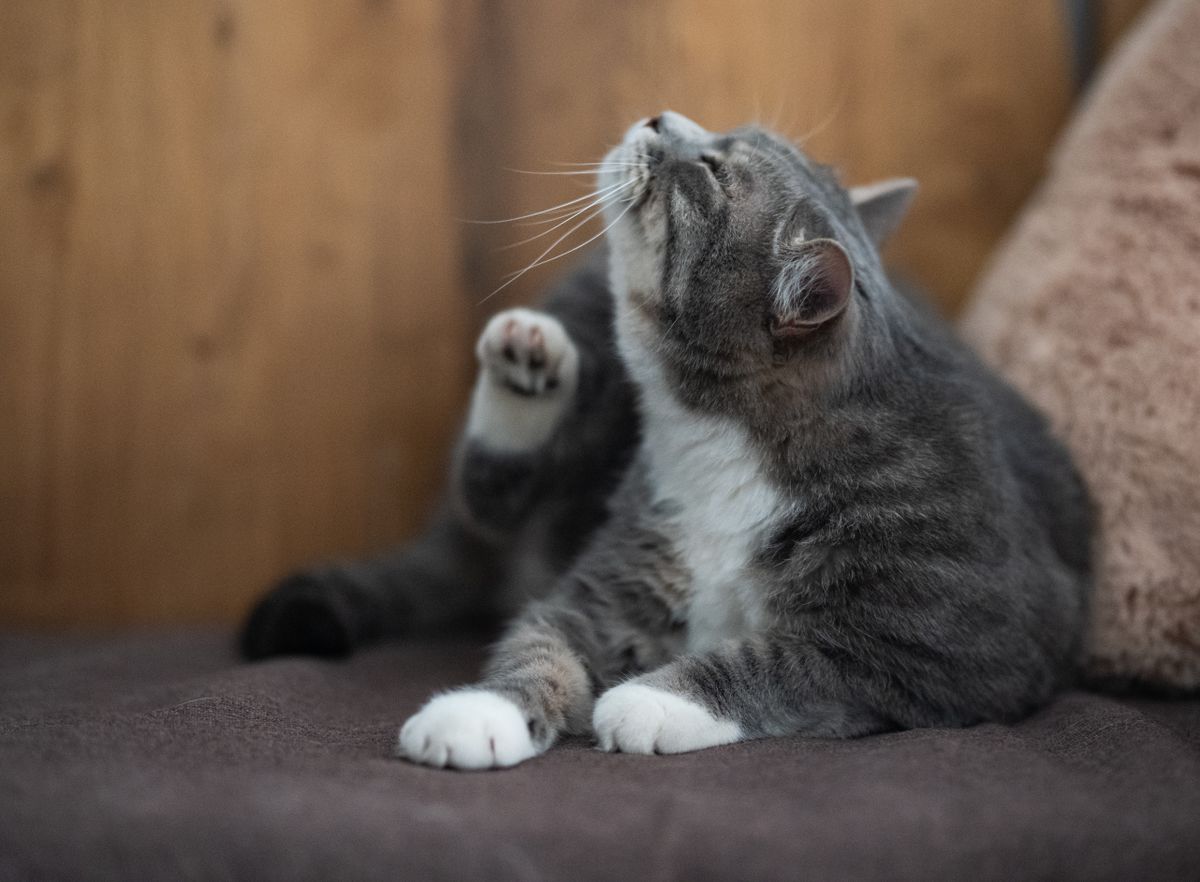
If your dog or cat has been scratching more than usual since the heater went on, you might be tempted to blame dry winter air. But there’s a more likely culprit, and it’s one plenty of Aussie owners write off the moment the temperature drops: fleas. The idea that fleas simply disappear over winter is one of the most common misconceptions vets hear, and it’s a big reason parasite problems quietly build up in homes across the country from June to August.
Do fleas really die off in an Aussie winter?
Not the way most people think. The adult fleas you can actually see on your pet make up only around 1–5% of a flea population. The other 95% or so exist as eggs, larvae and pupae tucked into carpet, floorboards, bedding and the couch — exactly the warm, sheltered spots your home offers all winter long. Pupae are especially hardy: they can sit dormant inside a protective cocoon for weeks, waiting for warmth and movement before they hatch.
That’s the catch. When the central heating kicks in, it recreates the mild conditions fleas love, so the life cycle keeps ticking over indoors even while it’s cold and wet outside. Add Australia’s generally mild winters — especially across Queensland, northern New South Wales and much of the coast — and outdoor fleas often don’t get cold enough to die back either. As the RSPCA points out, fleas are a year-round problem, not a seasonal one.
Why winter is secretly flea season indoors
In the warmer months, pets spend more time outside and their environment is more exposed. In winter, everyone piles indoors — pets included — onto heated carpet and shared bedding. That concentrates any developing fleas in the one warm space and gives them a steady supply of hosts. Because the visible adults are such a small fraction of the total, a home can be building towards an infestation for weeks before you spot a single flea.
The winter complacency trap
The bigger problem isn’t the fleas themselves — it’s that many owners ease off treatment just when they shouldn’t. Industry figures released in 2026 suggested close to 500,000 Australian dogs were not on any parasite prevention, with winter routine changes making it easy for good habits to slip. Some Australian clinics report that more than one in five owners pause flea treatment over the cooler months, assuming their pet is in the clear. Skipping even a month or two can be enough to let a hidden population catch back up.
What to actually do this winter
The good news is that keeping fleas in check is straightforward once you stop treating winter as a break. A few practical habits make the biggest difference:
- Keep prevention going year-round. Stick to your vet-recommended flea product on schedule, right through winter, rather than stopping and restarting.
- Treat every pet in the home. Fleas move between animals, so an untreated cat or a second dog can keep the cycle alive for everyone.
- Vacuum often. Regular vacuuming of carpets, rugs and around skirting boards helps remove eggs and larvae — empty or dispose of the contents afterwards.
- Wash bedding hot. Launder pet bedding and washable covers weekly at a high temperature to knock out eggs and larvae in the environment.
- Watch for early signs. More scratching, biting at the base of the tail, tiny black “flea dirt” specks in the coat, or thinning fur are worth acting on early.
It’s also worth knowing that fleas aren’t just an itch. They can carry tapeworm and, in sensitive pets, trigger flea allergy dermatitis — one reason a winter itch is worth taking seriously rather than waiting for spring. Keeping up with regular winter worming goes hand in hand with flea control.
When to check in with your vet
If your pet is scratching constantly, has red or broken skin, is losing fur, or you’re finding fleas despite treating them, it’s time for a professional opinion. Products aren’t all equal, and one made for dogs can be dangerous for cats, so never share treatments between species. Your vet can confirm what’s going on and recommend a product suited to your pet’s age, weight and health. If you’re not sure whether the itch is fleas or something else, our guide to winter itchy skin may help — but consult a licensed veterinarian for diagnosis or treatment specific to your pet.
Frequently asked questions
Do fleas die in winter in Australia? Not reliably. Australia’s mild winters and warm, heated homes let fleas stay active year-round, and up to 95% of a flea population survives as eggs, larvae and pupae in the environment rather than as visible adults.
Should I keep treating my pet for fleas in winter? Yes. Most vets and the RSPCA recommend uninterrupted, year-round flea prevention. Pausing over winter is a common reason infestations appear once the weather warms up.
Why is my indoor cat still getting fleas in winter? Fleas and their eggs can hitch a ride indoors on people, other pets or second-hand items, then thrive in a heated home. Indoor-only pets still benefit from regular prevention.
Key takeaways
- Fleas don’t reliably die off in an Australian winter — mild weather and indoor heating keep them active.
- Only about 1–5% of a flea population is visible; the rest hides in your home as eggs, larvae and pupae.
- Pausing flea treatment over winter is a common mistake that lets hidden populations rebound.
- Keep year-round prevention, treat all pets, vacuum regularly and wash bedding hot.
- See your vet for persistent scratching, skin damage or fleas that survive treatment.