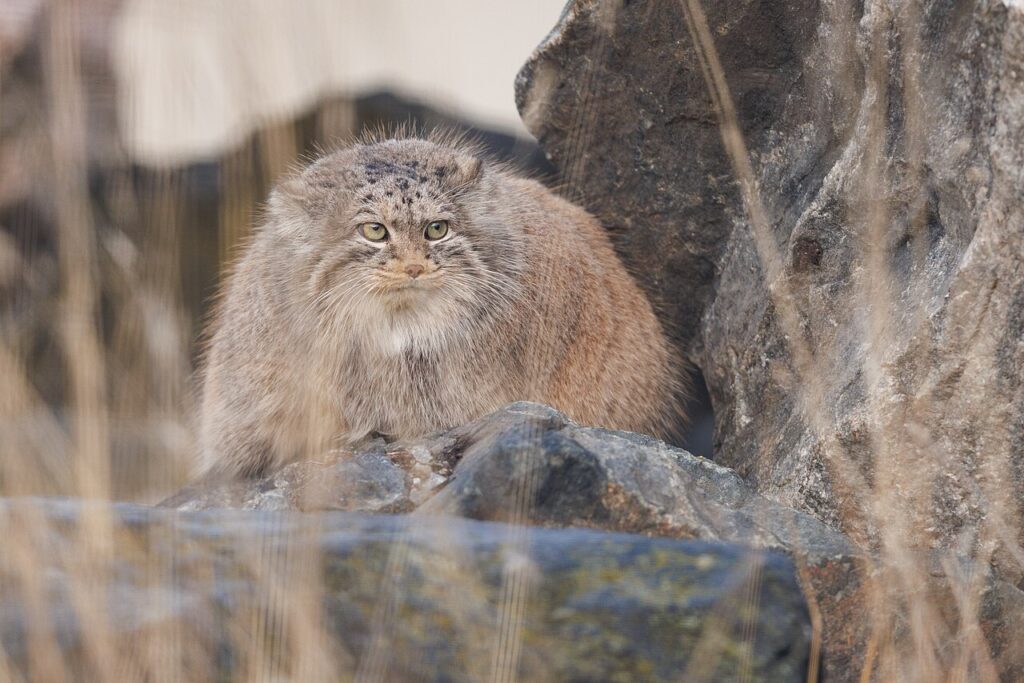
With its dense grey coat, flat face, and famously grumpy expression, the Pallas’s cat (also called the manul) is one of the most distinctive small wild cats on Earth. Native to the cold steppes and mountains of Central Asia, this stocky little feline has become an internet favorite — but there is far more to the Pallas’s cat than a sour-looking face. Here is a research-backed look at what makes the manul so unique, where it lives, how it survives, and why its future is uncertain.
What Is a Pallas’s Cat?
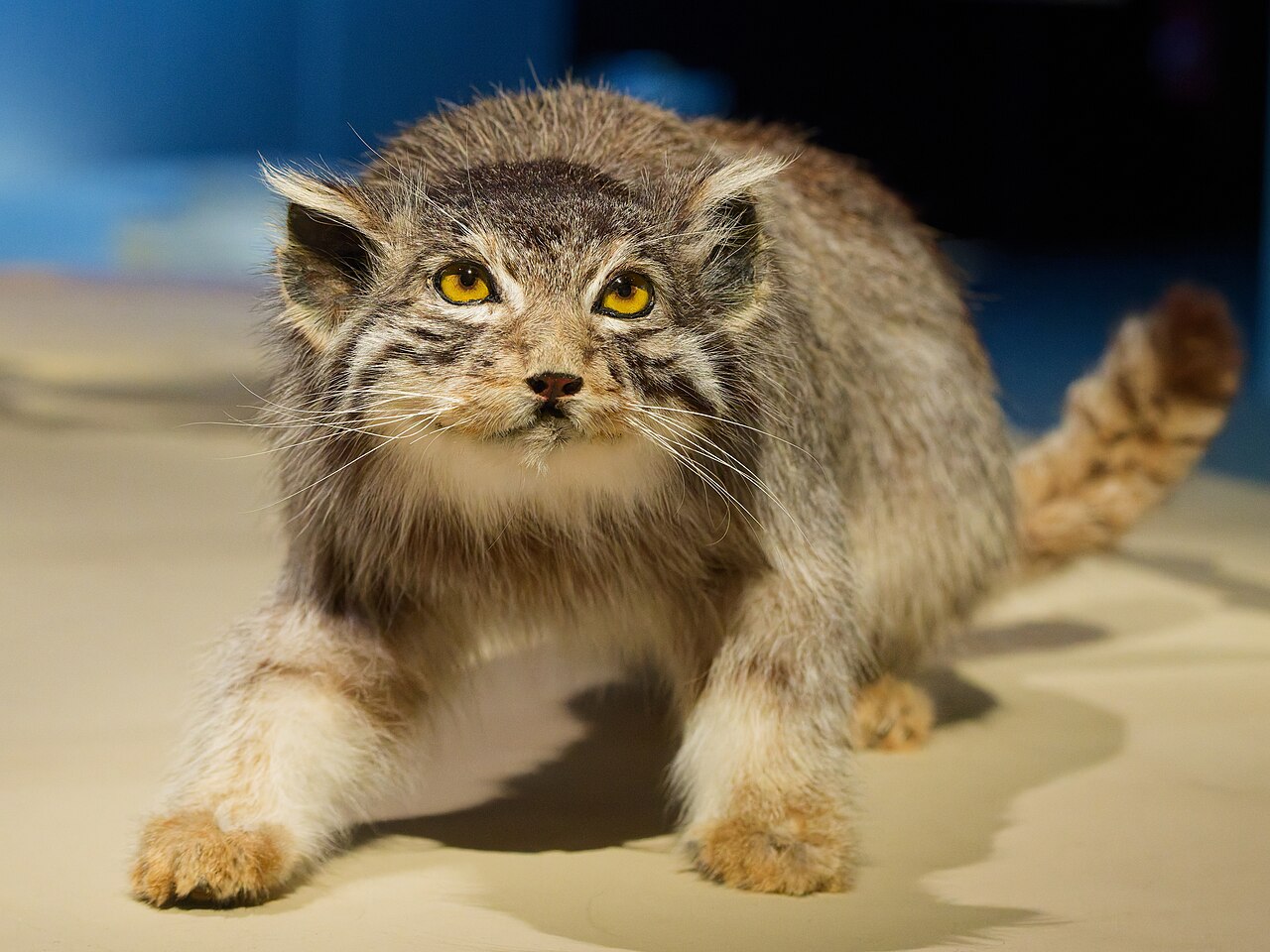
The Pallas’s cat (Otocolobus manul) is a small wild cat roughly the size of a domestic cat, but much stockier and hardier. It was named after the German naturalist Peter Simon Pallas, who first described the species in the 18th century. Despite looking heavyset, much of its bulk is simply fur — the manul has the densest coat of any cat in the world.
- Scientific name: Otocolobus manul
- Size: head-and-body length of about 46–65 cm (18–26 in), plus a bushy tail of 21–31 cm (8–12 in)
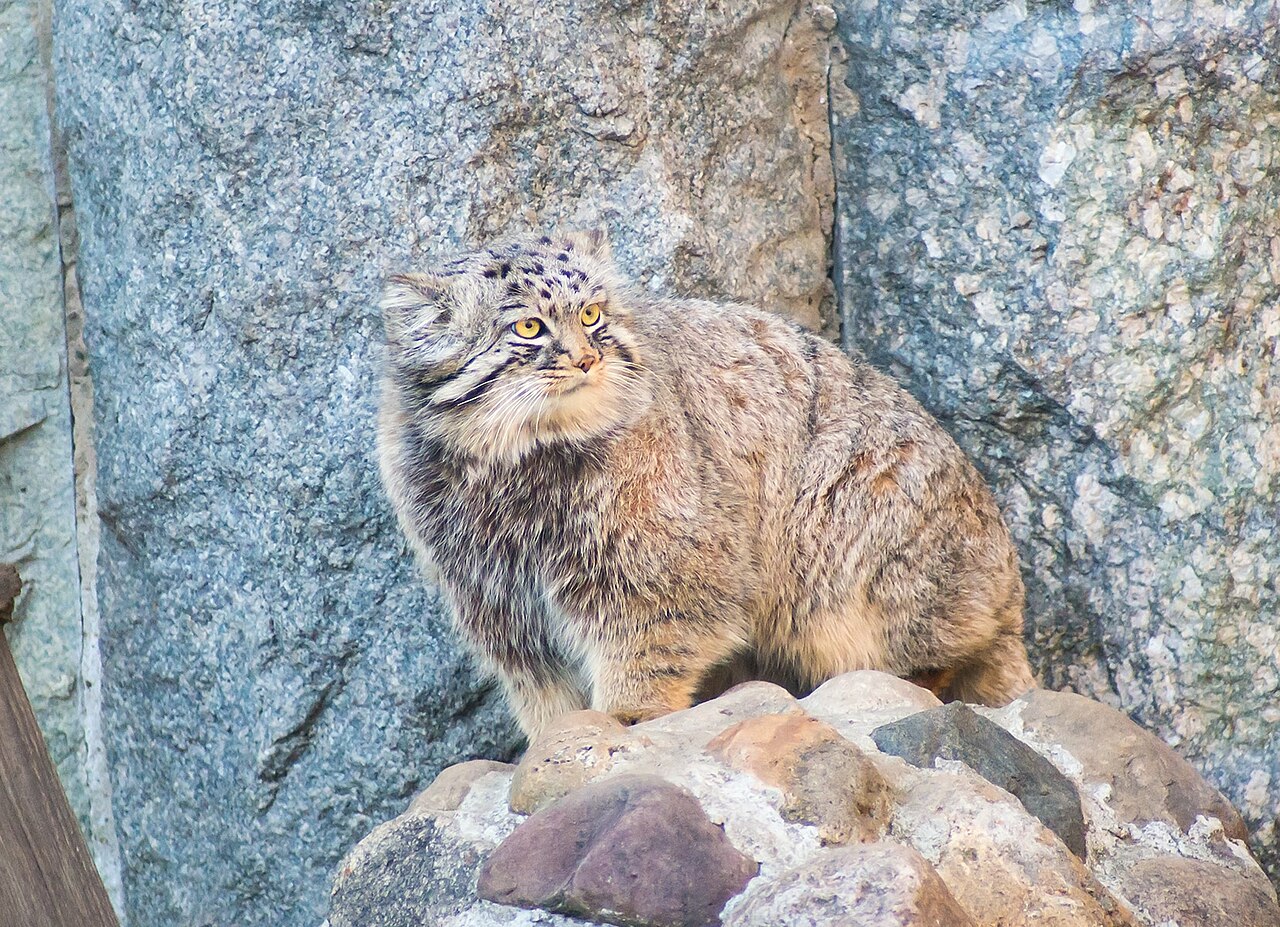
- Coat: long, dense light-grey fur — the thickest of any wild cat
- Distinctive features: a flattened face, low-set rounded ears, and round (rather than slit) pupils
- Range: the grasslands and mountains of Central Asia
Where Do Pallas’s Cats Live?
Pallas’s cats are found across a large stretch of Central Asia, from the Caucasus and the Iranian Plateau through the Hindu Kush, parts of the Himalayas, the Tibetan Plateau, and the Altai-Sayan region into the mountains of southern Siberia. They favor montane shrublands and grasslands, rocky outcrops, scree slopes, and ravines.
One key limit on where they can live is snow: the manul tends to avoid areas where continuous snow cover stays deeper than about 15–20 cm (6–8 in), because deep snow makes it hard for this short-legged hunter to move and find prey.
Behavior and Hunting
Pallas’s cats are solitary and most active around dawn, dusk, and at night. Because they are not fast runners, they rely on stealth and existing shelter rather than the chase. During the day they tuck themselves away in rock crevices, small caves, or abandoned marmot burrows, emerging in the late afternoon to hunt.
Their diet is highly specialized. Pikas — small rabbit relatives — can make up more than half of what they eat, supplemented by voles, mice, and other small rodents. By keeping rodent numbers in check, the manul plays a useful role in the health of its grassland ecosystem. Rather than meowing, Pallas’s cats communicate with a mix of honks, growls, and chirps.
Built for the Cold: The Manul’s Adaptations
Almost everything odd about the Pallas’s cat is an adaptation to a harsh, frigid environment where winter temperatures can plunge far below freezing:
- Record-breaking fur: the densest coat of any cat provides extreme insulation, and it grows even thicker on the belly to cushion against frozen ground.
- A flat face with high-set eyes: the unusual skull shape places the eyes higher on the head, which may help the cat peer over rocks and ridges while keeping its body hidden.
- A bushy tail used as a blanket: manuls often wrap or sit on their thick tails to keep their paws warm against the cold.
- A stocky, low body: short legs and a compact frame help the cat stay low while stalking across open terrain.
If you are curious about how cats cope with cold weather more generally, our guide on keeping your cat warm through winter covers practical tips for domestic cats.
Conservation Status: Is the Pallas’s Cat Endangered?
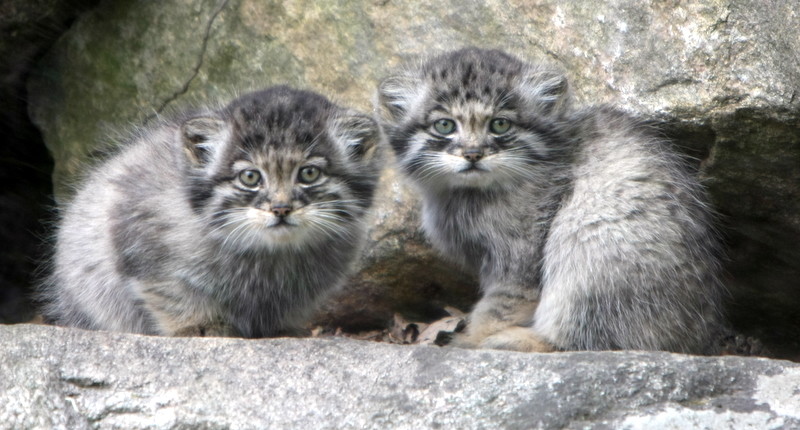
The Pallas’s cat has been listed as Least Concern on the IUCN Red List since 2020, thanks to its wide range and presumed large population. That status comes with an important caveat, though: the global population is believed to be in decline and is highly fragmented.
The biggest modern threat is habitat degradation. Rising livestock numbers lead to overgrazing of the steppe and the conversion of grassland into farmland, which reduces both shelter and the rodent prey the manul depends on. Because the species is naturally elusive and lives in remote terrain, it is also notoriously difficult to study and count accurately.
Frequently Asked Questions
Can you keep a Pallas’s cat as a pet?
No. The Pallas’s cat is a wild animal that is poorly suited to captivity and even to traditional zoo care; they are prone to disease and have notoriously high kitten mortality. They are not domesticated and should never be kept as pets.
Why does the Pallas’s cat look so grumpy?
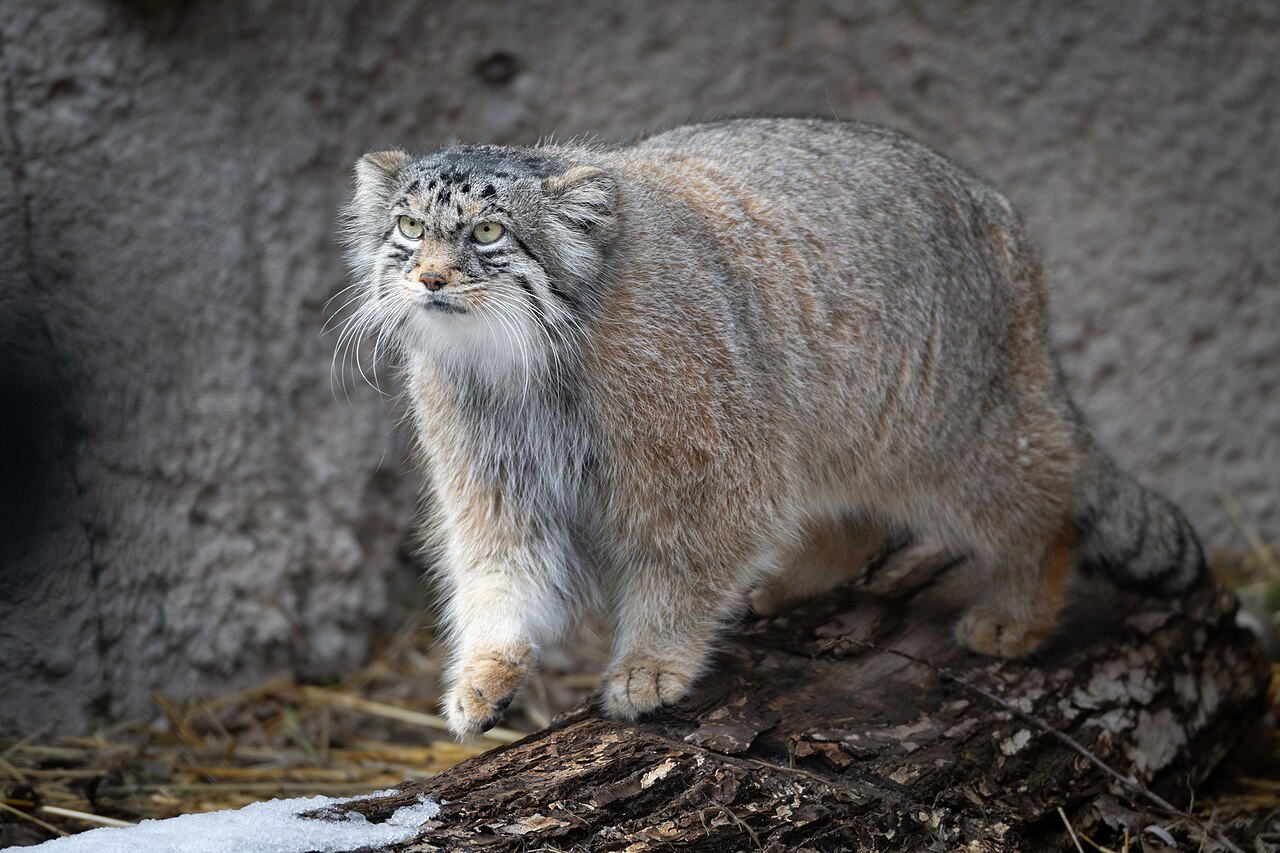
Its “grumpy” expression comes from its flattened face, low-set ears, and the position of its eyes — all adaptations to cold, open habitat rather than a reflection of its mood.
How big is a Pallas’s cat?
About the size of a house cat — roughly 46–65 cm long in the body with a bushy 21–31 cm tail — but it looks larger because of its exceptionally thick fur.
Conclusion
The Pallas’s cat is a masterclass in cold-weather survival: a small, solitary hunter wrapped in the thickest fur of any cat, perfectly tuned to the steppes and mountains of Central Asia. Behind the famously grumpy face is a fragile species facing mounting pressure from habitat loss — a reminder that even a cat listed as “Least Concern” still needs the wild spaces it calls home.