Australians love their pets, but 2026 is proving an expensive year to own one. With the cost of living still squeezing household budgets, more Aussie dog and cat owners are quietly cutting back on the very things that keep their pets well. The tricky part is doing the opposite: trimming your pet-care spend in ways that protect your wallet and your animal’s health, not one at the expense of the other.
The pressure is real, and the numbers show it
Australia now has one of the highest pet-ownership rates in the world, with around 73% of households sharing their home with a pet, according to Animal Medicines Australia’s national Pets in Australia survey. Collectively we spend an estimated $21.3 billion a year on them, with veterinary services alone accounting for roughly $1.9 billion of that.
But the same research shows the strain. Around one in six owners has made a health-related sacrifice for their pet, with 18% of cat owners and 14% of dog owners deferring check-ups or vaccinations, or reducing and even stopping medication. About 12% have needed financial assistance to cover a vet bill. Worryingly, owners under the most financial pressure are also the most likely to skip the vet and turn to social media, YouTube or AI chatbots for health advice instead.
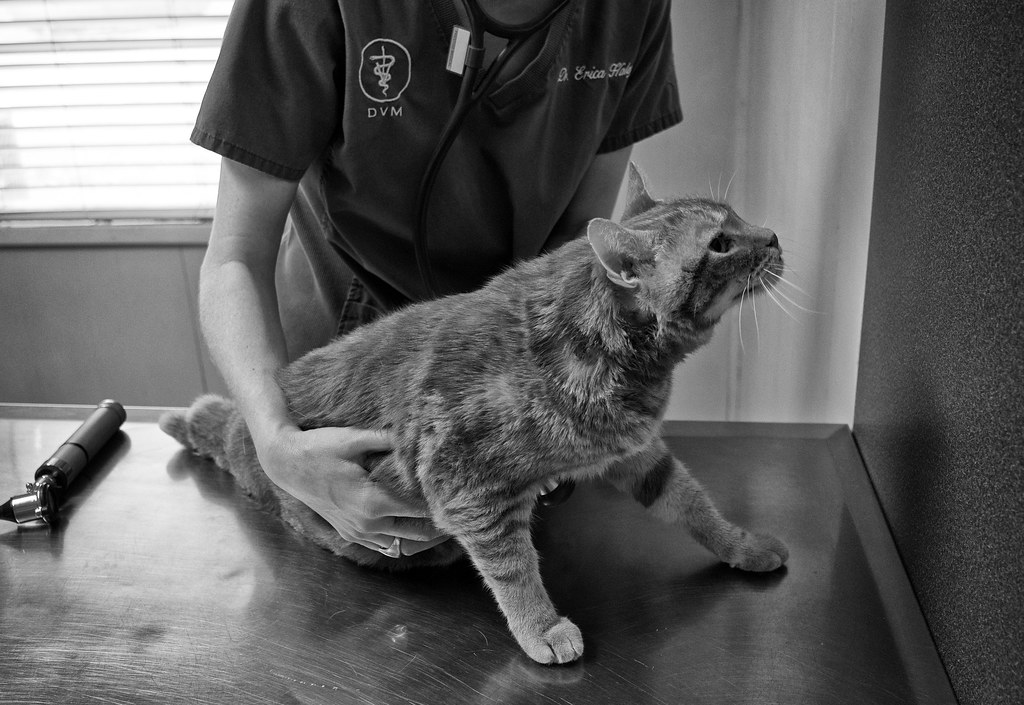
That last habit is the one worth breaking first. General information online can help you understand a problem, but it can’t examine your pet. Please consult a licensed veterinarian for diagnosis or treatment specific to your animal.
Preventive care is the cheapest care
It feels counterintuitive when money is tight, but skipping the routine stuff is usually what makes pet ownership more expensive. A caught-early problem is almost always cheaper to manage than a crisis. Keeping up with the basics tends to pay for itself:
- Annual (or twice-yearly) health checks so problems are spotted before they become emergencies.
- Core vaccinations, which protect against diseases that are far costlier to treat than to prevent.
- Year-round parasite prevention for fleas, ticks and worms, including through the cooler months when many owners let it lapse.
- Dental care and weight management, since obesity and untreated dental disease quietly drive many expensive long-term conditions.
At-home care matters too. Regular tooth brushing, portion control and a good look-over for lumps, limps or changes in appetite cost nothing and can flag issues early.
Build a small pet emergency buffer
Average yearly vet costs are estimated at roughly $400 for a dog and $270 for a cat before any major treatment, so a single surprise, an infection, a swallowed sock, a fall, can easily blow the budget. Setting aside even $10 to $20 a week into a dedicated savings account builds a buffer that means an unexpected bill doesn’t force an impossible choice.
Is pet insurance worth it?
For some households, insurance turns an unpredictable big bill into a manageable monthly one. Australian premiums vary widely by breed and cover level, and most policies involve an excess (commonly $100 to $500) plus a co-payment, reimbursing somewhere between 60% and 80% of eligible costs. It can be genuinely valuable, but only if you read the fine print.
Before signing up, check the waiting periods, annual claim limits, sub-limits, and how pre-existing conditions and routine care are handled. Insurance tends to make the most sense when taken out while a pet is young and healthy; it is far less useful once conditions are already established. Compare a few providers rather than picking the first one you see.
Talk to your vet, they’d rather you asked
If cost is a barrier, say so. Many clinics can stage treatment, prioritise the most urgent issues first, or discuss payment options. Vets would far rather have that conversation than watch an owner walk away and let a treatable problem worsen. For medications, ask whether a longer script or an authorised, vet-approved online pharmacy could reduce the cost, and never stop a prescribed medicine without checking first.
Where to find lower-cost help in Australia
- RSPCA and community vet clinics in some areas offer reduced-cost services for eligible owners.
- Veterinary teaching hospitals at several universities provide care at supervised, sometimes lower, rates.
- Animal welfare and rescue organisations can point you to local assistance programs.
- Desexing and vaccination programs run periodically through councils and welfare groups.
Cutting corners on your pet’s health rarely saves money in the long run, but spending smartly absolutely can. Steady preventive care, a small savings buffer and an honest chat with your vet will stretch your budget a lot further than skipping the check-up ever will.
Frequently asked questions
Is pet insurance worth it in Australia in 2026?
It can be, particularly if you take it out while your pet is young and healthy and you’d struggle to fund a large one-off bill. Compare excess amounts, reimbursement percentages, annual limits and exclusions, and check how pre-existing conditions are treated before deciding.
How can I pay for an unexpected vet bill?
Options include a dedicated pet savings buffer, a payment plan through your clinic, pet insurance if you hold a policy, or assistance programs run by welfare organisations. Speak to your vet early, as many can stage treatment to spread the cost.
Is it safe to skip my pet’s annual check-up to save money?
It’s risky. Annual checks catch problems while they’re small and cheaper to treat, so skipping them often costs more later. If money is tight, talk to your vet about a more affordable check rather than going without. Consult a licensed veterinarian for advice specific to your pet.
Where can I find low-cost vet care in Australia?
Look into RSPCA and community clinics, university veterinary teaching hospitals, and council or welfare-run desexing and vaccination programs. Availability and eligibility vary by state and region.
Key takeaways
- Cost-of-living pressure is leading many Aussie owners to defer vet care, but preventive care is almost always the cheapest care.
- Keep up routine check-ups, vaccinations, parasite prevention and dental care to avoid costlier problems later.
- A small weekly savings buffer softens the blow of surprise bills.
- Pet insurance can help if bought early, but read the excess, limits and exclusions carefully.
- Talk to your vet about costs and payment options rather than turning to online self-diagnosis.