
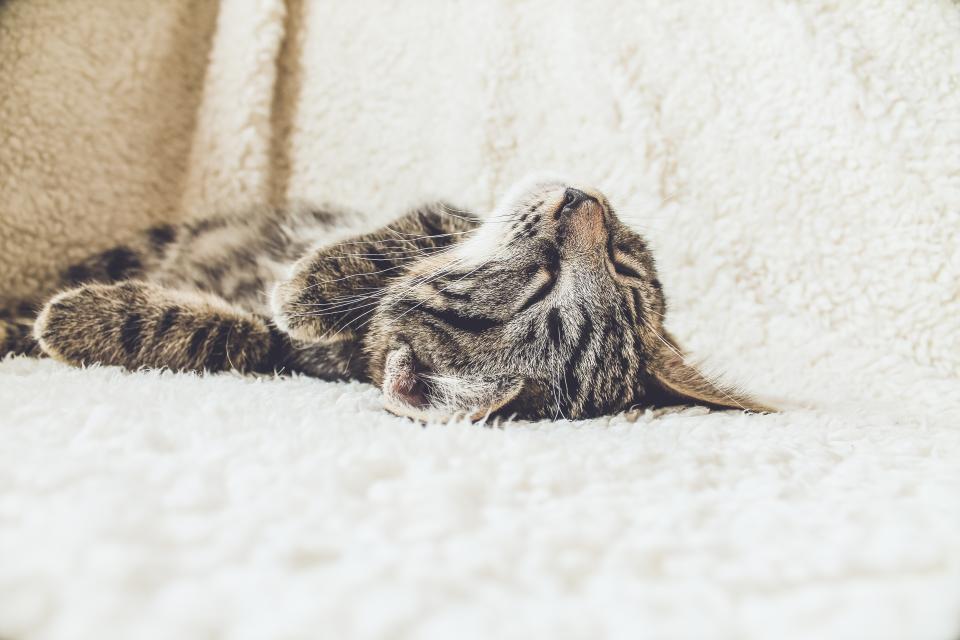
When the temperature drops and you reach for an extra blanket, it is fair to wonder whether your cat feels the chill too. Cats are famous for seeking out warm spots, from sunny windowsills to the laundry pile fresh out of the dryer. That instinct is a clue: yes, cats do get cold, and an Australian winter can be tougher on them than their confident attitude suggests. Here is how to tell when your cat is feeling the cold and what you can do to keep them snug.
Do Cats Actually Feel the Cold?
Despite their fur coats, domestic cats are not built for extreme cold. A cat’s healthy body temperature sits a little higher than ours, so they rely on shelter, sunshine and snug bedding to stay comfortable. Most healthy cats cope well with mild conditions, but as the mercury falls they will start looking for warmth, and prolonged exposure to genuinely cold, wet or windy weather can put them at risk.
A handy rule of thumb many vets share is simple: if it feels too cold for you outside, it is probably too cold for your cat as well. Wind and rain make it worse, because a damp coat loses its insulating power quickly.
Which Cats Feel the Cold Most?
Some cats are far more vulnerable to cold weather than others. Keep an extra close eye on:
- Kittens and senior cats, who regulate their body temperature less efficiently
- Short-haired, hairless or very lean cats with little insulation
- Cats that are unwell, recovering from illness, or living with arthritis, which cold weather can aggravate
- Outdoor and indoor-outdoor cats exposed to wind, rain and cold nights
How Cold Is Too Cold for Cats?
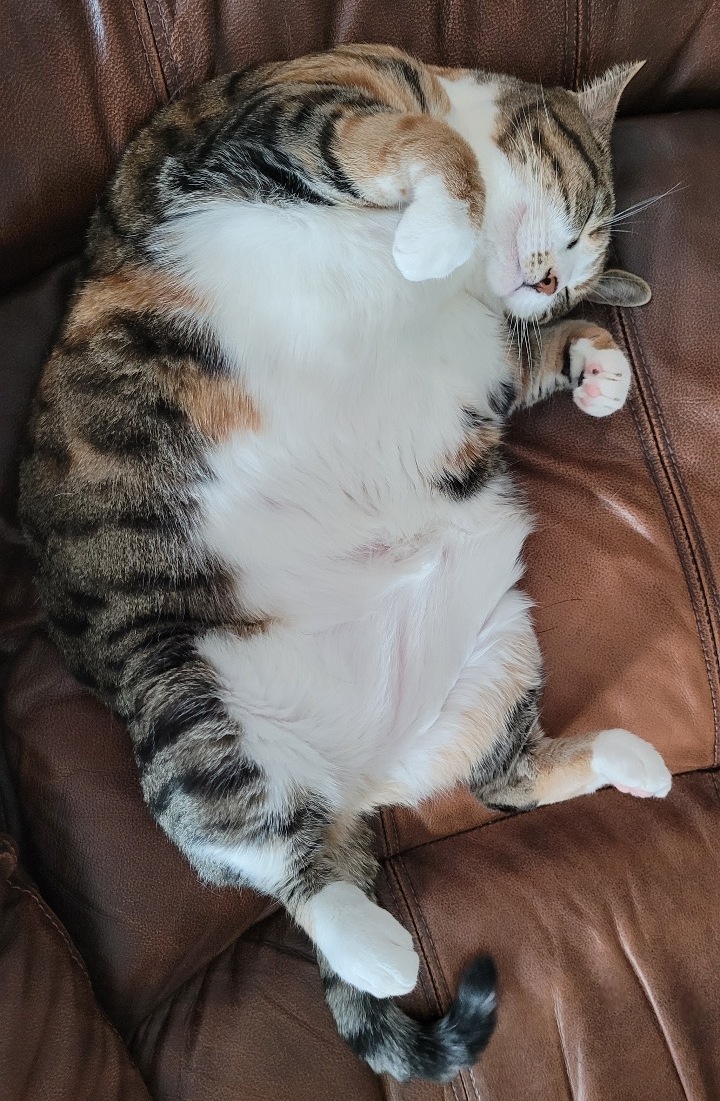
There is no single magic number, because age, coat type and health all play a part. As a general guide, comfortable indoor temperatures of around 19°C suit most cats, while conditions in the single digits start to feel uncomfortable, especially for vulnerable cats. Near or below freezing, the risk of hypothermia and frostbite climbs sharply, and cats are far safer kept indoors.
Across much of southern Australia, frosty mornings and cold snaps are common in winter, so it pays to give your cat a warm, draught-free retreat rather than assuming their fur will do all the work.
Signs Your Cat Is Too Cold
Cats are good at hiding discomfort, so watch their behaviour. Common signs a cat is feeling the cold include:
- Constantly seeking out warm spots, heaters or your lap
- Curling into a tight ball with paws and tail tucked in
- Cool ears, paws or the tip of the tail to the touch
- Reluctance to move, low energy, or sleeping far more than usual
- Shivering, which is a clear sign your cat is struggling to stay warm
Shivering that will not stop, weakness, very slow breathing or unresponsiveness can point to hypothermia, which is a genuine emergency. Keep your cat warm and contact your vet or an emergency animal hospital straight away. Consult a licensed veterinarian for diagnosis or treatment specific to your pet.
Practical Tips to Keep Your Cat Warm
The good news is that keeping your cat cosy is straightforward. A few small changes can make a big difference through the colder months.
- Offer a warm, sheltered bed. Place it off the cold floor, away from draughts, with soft blankets your cat can burrow into.
- Give them choices. Set up a few sleeping spots at different warmth levels so your cat can move as they please.
- Make the most of the sun. Leave curtains open during the day so your cat can soak up a sunny patch.
- Keep vulnerable cats indoors on cold, wet nights. This is especially important for kittens, senior and unwell cats.
- Use heat sources safely. Pet-safe heat pads and covered hot water bottles can help, but never place anything hot directly against the skin, and always allow your cat to move away from the heat.
- Provide fresh food and water. Staying well fed and hydrated helps your cat maintain body warmth.
Key Takeaways
Cats do feel the cold, and kittens, senior cats and those that are unwell need the most protection. Watch for shivering, tucked-in postures and cool extremities, give your cat a warm and draught-free place to rest, and keep vulnerable cats inside during cold snaps.
Conclusion
Your cat may act unbothered by the cold, but a little planning goes a long way during an Australian winter. By offering warm bedding, sunny resting spots and safe sources of heat, and by keeping an eye out for the signs of a chilly cat, you can help your feline friend stay happy, healthy and snug until the warmer weather returns. If you are ever worried about your cat’s health or behaviour in cold weather, your veterinarian is the best person to ask.