If your cat has started sneezing, gone quiet in the corner, or turned its nose up at dinner, you are not imagining a winter pattern. Cat flu is one of the most common respiratory illnesses in Australian cats, and vets tend to see more of it through the colder months when cats spend longer indoors and closer together. Here is what is actually going on, how to tell a mild case from one that needs a vet, and the simple things you can do at home to help your cat bounce back.
What “cat flu” really is
“Cat flu” is the everyday name for feline upper respiratory tract disease. Despite the name, it has nothing to do with human influenza. In the majority of cases it is caused by two viruses – feline herpesvirus (FHV-1) and feline calicivirus (FCV) – which together account for around 90% of cases. Bacteria such as Bordetella bronchiseptica and Chlamydophila felis can also play a part. In Australian cats, calicivirus is the one detected most often.
The viruses spread easily between cats: through direct contact, through sneeze droplets, and through shared bowls, bedding and even your hands. That is why boarding catteries, shelters, and multi-cat homes see the most cases, and why winter, when cats huddle inside, tends to bring a spike.
Signs to watch for
Symptoms usually appear two to ten days after your cat is exposed and can range from a mild sniffle to something that knocks them flat. Keep an eye out for:
- Frequent sneezing and a runny nose, with discharge that may be clear or thick and coloured
- Watery, red or swollen eyes, sometimes with discharge
- Mouth or tongue ulcers, which can make eating painful
- Loss of appetite and reduced grooming
- Lethargy, hiding, or a general “off” demeanour
- Mild fever
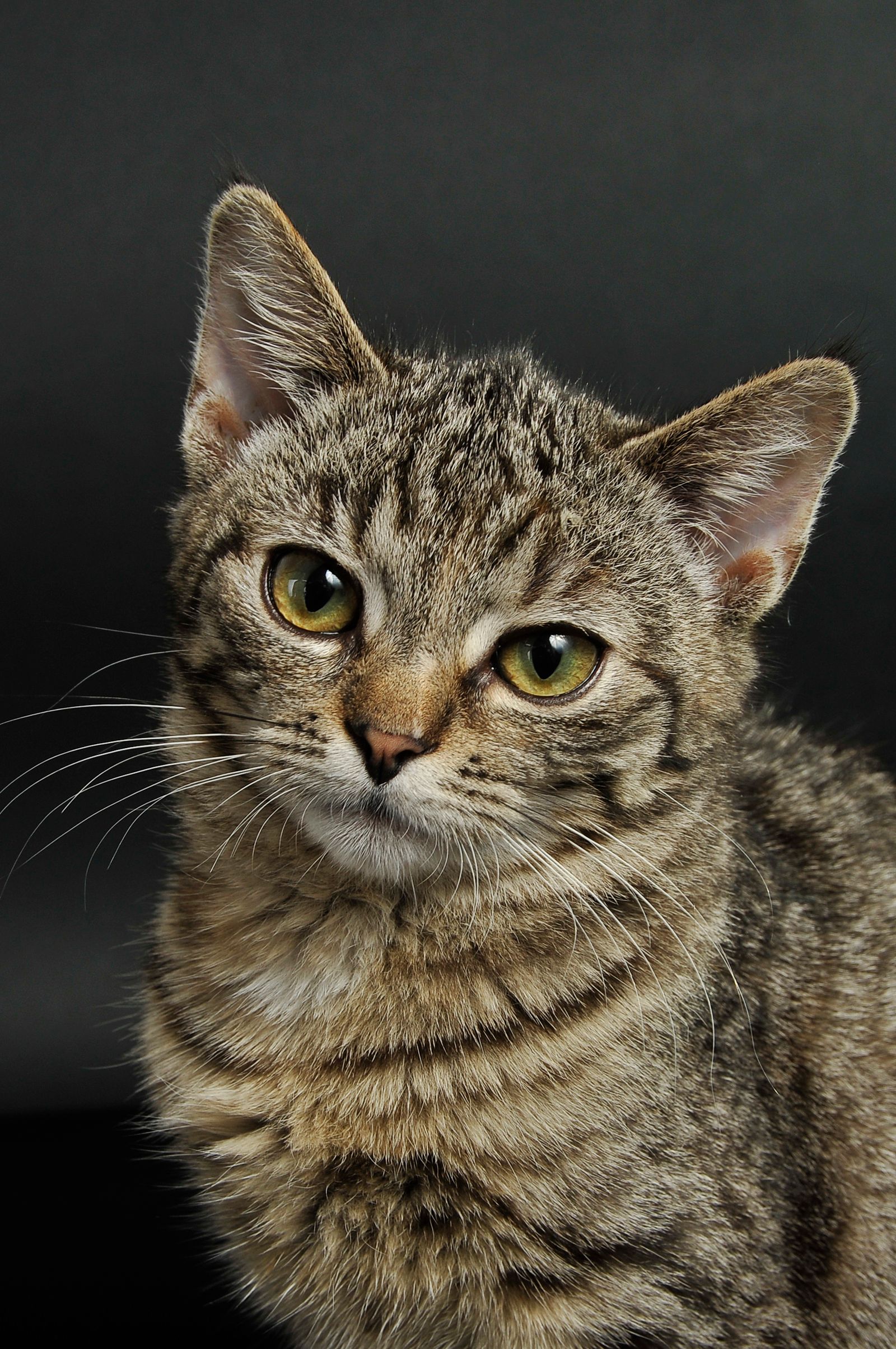
A blocked, sore nose is a bigger deal for cats than it is for us. Cats rely heavily on smell to want to eat, so a stuffy nose combined with mouth ulcers can quickly lead to them refusing food altogether – which is a problem, especially in kittens and older cats.
When to call the vet
Many otherwise healthy adult cats recover from a mild bout within two to three weeks with good home care. That said, cat flu can cause serious complications and, in vulnerable cats, it can be life-threatening. Contact your vet promptly if your cat:
- Stops eating or drinking for more than a day
- Is a young kitten, a senior, or has an existing health condition
- Is struggling to breathe, breathing with an open mouth, or very lethargic
- Has thick green or yellow discharge, or symptoms that are getting worse rather than better
Your vet can rule out other causes, prescribe treatment for secondary bacterial infections, and provide supportive care such as fluids if your cat is dehydrated. Consult a licensed veterinarian for diagnosis or treatment specific to your pet.
Caring for a cat with the flu at home
Alongside any veterinary advice, a few practical steps can make your cat far more comfortable:
- Gently wipe away eye and nose discharge with a soft cloth dampened with warm water
- Tempt appetite with warmed, strong-smelling food such as a little tinned fish or a gently heated wet food
- Run a humidifier, or let your cat sit with you in a steamy bathroom, to ease congestion
- Keep them warm, rested, and away from draughts
- Isolate an unwell cat from other cats, and wash bowls, bedding and your hands to limit spread
A quick word on hygiene: herpesvirus survives only around 18 hours on surfaces, but calicivirus is far tougher and can linger for up to a month. Regular cleaning of bowls and bedding genuinely helps stop it moving through a household.
Prevention: vaccination and everyday habits
The core cat vaccine in Australia is the “F3”, which protects against feline panleukopenia, herpesvirus and calicivirus. Vaccination will not always stop infection outright, but vaccinated cats generally get milder symptoms, recover faster, and shed less virus. Keeping your cat up to date is the single most effective step you can take, particularly before boarding or bringing a new cat home.
It is also worth knowing that many cats become lifelong carriers after recovering. They often show no signs, but stress – a house move, a new pet, or a stint in a cattery – can trigger a flare-up. Reducing stress and keeping up with vaccinations helps keep those flare-ups to a minimum.
Frequently asked questions
Can humans catch cat flu?
No. The viruses that cause cat flu are specific to cats and do not infect people. You can, however, carry the virus between cats on your hands or clothing, so wash up after handling an unwell cat.
How long is a cat with cat flu contagious?
Cats shedding herpesvirus are typically infectious for around three weeks. Calicivirus is trickier – some recovered cats keep shedding it on and off for months or even years, which is why good hygiene and vaccination matter in multi-cat homes.
Will my cat get cat flu again?
Possibly. Because many cats become carriers, the same cat can have repeat flare-ups over its life, often at times of stress. These later episodes are usually milder than the first, especially in vaccinated cats.
Key takeaways
- Cat flu is a common viral respiratory illness in Australian cats and tends to rise in winter
- Watch for sneezing, runny eyes and nose, mouth ulcers, and loss of appetite
- Most healthy adult cats recover in two to three weeks with supportive care
- See a vet quickly if your cat stops eating, is a kitten or senior, or is struggling to breathe
- The F3 vaccination and good hygiene are your best defence