
Winter has a sneaky way of softening our pets. The morning walks get shorter, the couch becomes the most popular spot in the house, and somehow there always seems to be an extra treat going spare. By the time spring rolls around, plenty of Aussie dogs and cats are carrying a few more kilos than they were in autumn — and those kilos are far easier to put on than they are to take off.
Pet obesity is one of the most common health problems vets in Australia see, with the RSPCA and the Australian Veterinary Association estimating that roughly four in ten dogs, and a similar share of cats, are heavier than they should be. The cold months only make the problem worse. Here is why winter weight creeps on, why it matters, and the practical steps you can take to keep your best mate trim.
Why pets pile on the kilos in winter
Less movement, shorter days
When it is dark, wet and cold, even the keenest dog owner tends to cut walks short. Cats, especially indoor ones, curl up and sleep more. Less activity means fewer calories burned, so the same dinner that kept your pet in shape during summer suddenly becomes too much.
Comfort feeding and winter treats
We are wired to share food when it is cold, and our pets are very good at asking. Extra biscuits, a corner of toast, a few more dental chews — it all adds up quickly on a small body. A single rich treat can represent a surprisingly large slice of a small dog or cat’s daily energy needs.
Why a few extra kilos really matters
It is tempting to see a rounder pet as a happy, well-loved one, but excess weight carries real health costs. Carrying too much weight puts extra load on joints and makes arthritis pain worse — a particular concern for older dogs and cats through the cold months. It also raises the risk of type 2 diabetes (especially in cats), heart and breathing problems, and a range of other conditions.
The flip side is encouraging: keeping your pet lean is one of the simplest things you can do for a longer, more comfortable life. A well-known long-term study of Labradors found that dogs kept at a healthy weight lived around two years longer than their heavier littermates. Lean pets simply tend to feel better and move more freely.
How to tell if your pet is overweight
You do not need a set of scales to do a quick home check. Vets use a simple body condition score, and you can apply the same three tests:
- Ribs: Run your hands along your pet’s sides. You should be able to feel the ribs easily, with only a thin layer of fat over them — a bit like feeling the back of your hand.
- Waist: Looking down from above, your pet should have a visible waist that narrows behind the ribs.
- Tummy tuck: From the side, the belly should tuck up rather than hang level or sag.
If the ribs are hard to find, the waist has disappeared, or the belly sags, it is worth a chat with your vet about a weight plan.
Practical ways to keep winter weight off
The good news is that managing your pet’s weight does not mean tough love or a miserable winter. A few small habits make a big difference:
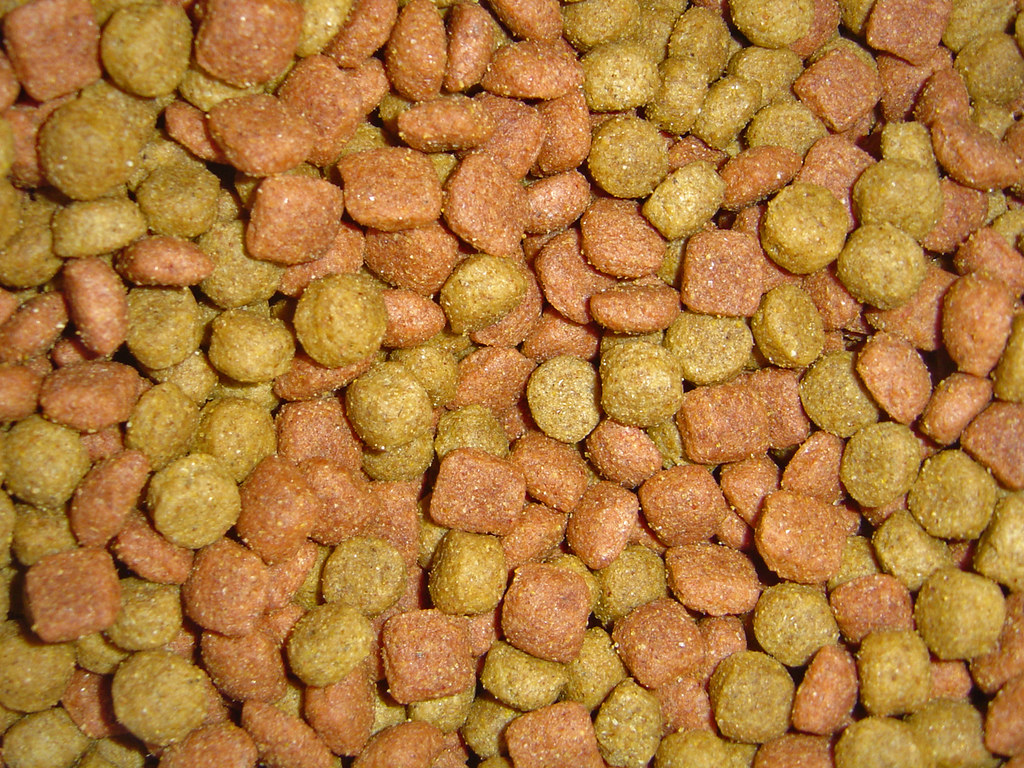
- Measure every meal. Use a proper measuring cup or kitchen scales rather than eyeballing it, and follow the feeding guide on the food as a starting point, then adjust to your pet.
- Count the treats. Keep treats to no more than about 10% of daily calories, and use part of the daily meal allowance for training rewards so it does not become extra food.
- Swap to healthier rewards. Small pieces of carrot, green beans or a little plain cooked pumpkin work well for many dogs in place of rich biscuits.
- Beat the weather indoors. Tug, hide-and-seek, stairs, a flirt pole for cats, or scatter-feeding kibble around the house all burn energy without leaving the warm.
- Use food puzzles. Slow-feeder bowls and treat-dispensing toys turn a meal into mental exercise and stop fast eaters from begging for more.
- Keep walking, just smarter. Several short walks, a rain jacket for short-coated dogs, or a midday outing when it is warmest all keep dogs moving through winter.
When to see your vet
If your pet is clearly overweight, has gained weight quickly, or struggles with mobility, book a check-up before starting any diet. Sudden weight changes can signal underlying conditions such as an underactive thyroid in dogs, and senior pets benefit from a tailored plan. Your vet or vet nurse can set a target weight, recommend a suitable food, and many clinics run free weight-check appointments.
The bottom line
Winter weight gain is common, but it is also one of the most preventable health problems your pet can face. By measuring meals, being honest about treats, and finding fun ways to keep moving when it is cold outside, you will help your dog or cat stay comfortable, healthy and active — ready to bound into spring rather than waddle. A trim pet is a happier pet, and the habits you build this winter will pay off all year round.