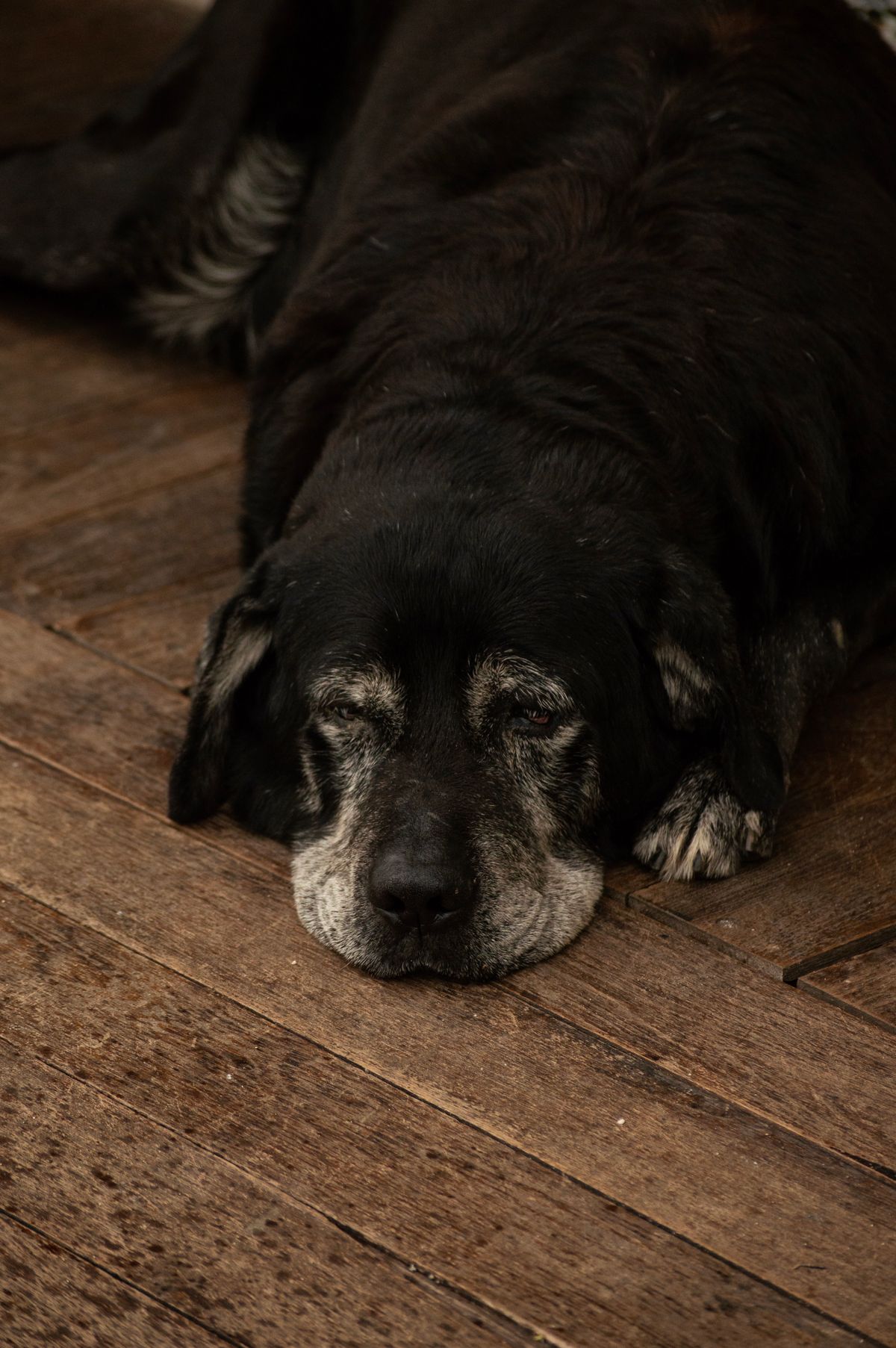
As the southern chill sets in, plenty of older dogs start moving a little slower of a morning. That stiff, careful shuffle from the bed to the back door is one of the most common signs of arthritis — and an Australian winter can make it noticeably worse. If your senior mate has gone quiet, grumpy or reluctant on walks lately, cold and achy joints could well be the reason. The good news is that a few practical changes at home can keep them comfortable, mobile and happy right through the coldest months.
Why Winter Is Harder on Arthritic Dogs
Arthritis — properly called osteoarthritis — is wear and tear in the joints that causes inflammation, stiffness and pain. It’s very common in senior dogs, and cold weather tends to crank up the discomfort. Lower temperatures can make the fluid inside the joints thicker and stiffer, while the muscles supporting those joints become less flexible. Older dogs also feel the cold more than young ones thanks to reduced muscle mass and slower circulation, so damp, frosty mornings hit them hardest. The upshot is a dog who’s slower to rise, less keen to move, and quick to hunt out a warm corner.
Signs of Arthritis to Watch for This Winter
Dogs are masters at hiding pain, so the clues are often subtle. Keep an eye out for:
- Stiffness or limping, especially after rest or first thing on a cold morning
- Hesitating to jump on the couch, climb the stairs or hop in the car
- Trouble getting up after lying down for a while
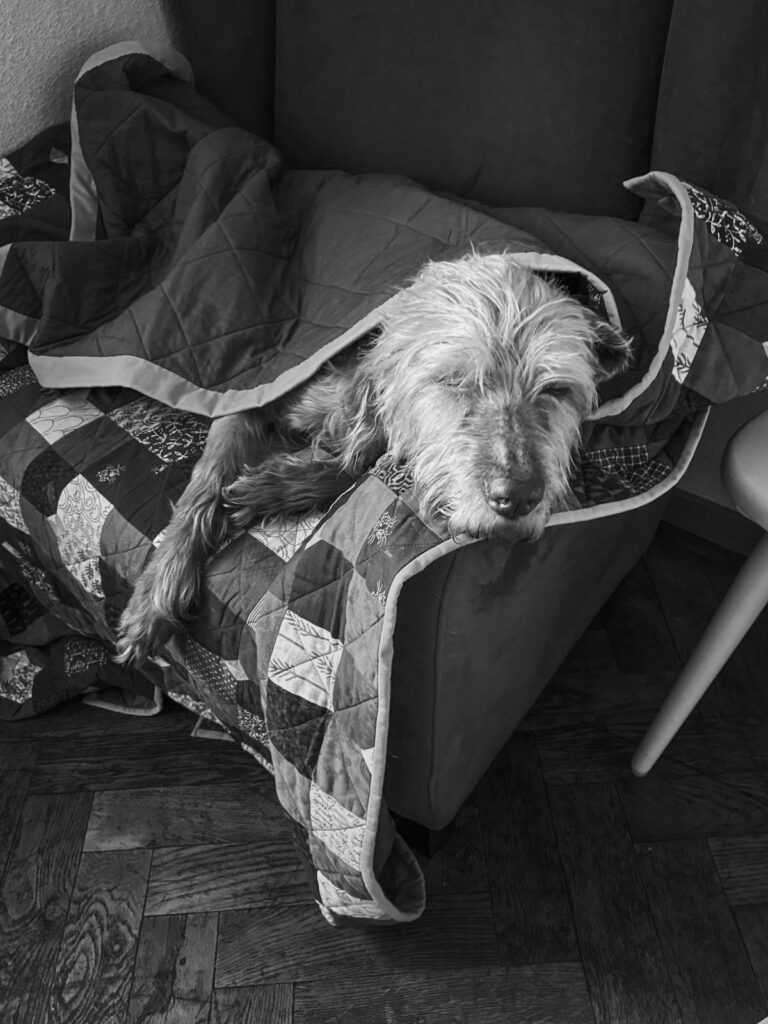
- Spending more time near the heater or curled up in soft, warm spots
- Seeming withdrawn, irritable or more tired than usual
- Licking at a particular joint, or muscle loss over the back legs
How to Keep Your Senior Dog Comfortable
Warm Up Their Resting Spot
Cold, hard floors are the enemy of stiff joints. Give your dog a thick, supportive bed — an orthopaedic or memory-foam mattress is ideal for ageing bodies — and lift it off the ground and away from draughts. A self-warming pad or a snug coat for chilly evenings can make a real difference, particularly for short-coated breeds and slim seniors. Just make sure any heat source is pet-safe and your dog can move away from it if they get too warm.
Keep Moving — Gently
It’s tempting to skip walks when it’s cold, but gentle movement keeps joints lubricated and muscles strong. Aim for short, regular outings rather than one long, demanding hike. Warm your dog up slowly, steer clear of slippery surfaces, and dry them off after wet walks so they’re not sitting around damp and cold. Indoor enrichment — sniffing games, a snuffle mat or some slow lead work down the hallway — keeps them active on truly miserable days.
Manage Weight and Nutrition
Every extra kilo piles more load onto already sore joints, so keeping your dog lean is one of the most powerful things you can do. Feed measured meals built around high-quality protein to protect muscle, and ask your vet about joint-supporting nutrients such as omega-3 fatty acids and green-lipped mussel. Never start a new supplement without checking it suits your individual dog — more isn’t always better.
Work With Your Vet
A winter wellness check is well worth booking. Australian vets have more options than ever to manage arthritis pain, from anti-inflammatory medications to monthly injectable treatments designed specifically for canine osteoarthritis. These can dramatically improve comfort and mobility, but they need veterinary supervision to use safely. Your vet may also suggest physiotherapy, hydrotherapy or massage to ease painful joints. Always loop them in before changing medication or starting anything new.
When to See Your Vet Promptly
Book a check-up if your dog is suddenly much slower to rise, has started limping, yelps when touched, or seems flat and reluctant to do the things they normally love. A sudden change can signal a flare-up or another problem that needs attention, and early treatment almost always means a more comfortable dog.
Frequently Asked Questions
Does cold weather actually cause arthritis in dogs?
Cold weather doesn’t cause arthritis, but it does make existing joint pain feel worse. Stiffer joint fluid and tighter muscles in winter mean affected dogs often show more obvious symptoms through the colder months.
At what age do dogs get arthritis?
It’s most common in senior dogs, but larger breeds and dogs with previous joint injuries can show signs from middle age. If you notice stiffness in a younger dog, it’s still worth a vet visit.
Should I still walk my arthritic dog in winter?
Yes — gentle, regular movement helps far more than rest. Keep walks short and frequent, avoid slippery surfaces, and warm your dog up gradually rather than launching straight into vigorous activity.
The Bottom Line
Arthritis is one of the most common reasons senior dogs struggle through an Australian winter, but it’s very manageable. Keep their bed warm and supportive, keep them gently moving, hold their weight in check, and partner with your vet on a pain-management plan. With a little extra care through the cold snap, your old mate can stay comfortable, mobile and right by your side — ready for plenty more sunny mornings ahead.
This article is general information only and isn’t a substitute for veterinary advice. If you’re worried about your dog’s health, see your vet.