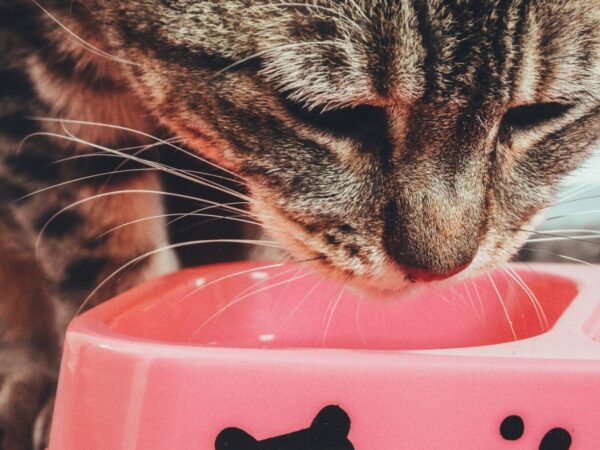

If you have started buying your dog a probiotic because you take one yourself, or wondered whether your cat could go plant-based, you are far from alone. New Australian research shows pet owners are increasingly borrowing their own wellness habits and passing them straight on to their animals, and vets have some thoughts about where that is helping and where it can quietly go wrong.
Aussie pets are getting the wellness treatment
A 2025 YouGov survey commissioned by Hill’s Pet Nutrition found that around 52% of Australian cat and dog owners have tried a health or wellness trend on their pet that they were already following themselves. Roughly 64% had added a supplement to their pet’s diet in the previous year, and owners reported spending around $1,000 a year on things like alternative therapies, anti-anxiety products and pampering. Hill’s repeated those figures in a July 2026 release, which also noted that most owners still turn to their vet for wellness advice. Keep in mind that this research was commissioned by a pet food company.
It makes sense. With 88% of us considering our pets part of the family, treating them the way we treat ourselves feels natural. The catch is that dogs and cats are not small humans, and a few popular trends can cause more harm than good.

Trends that can genuinely help
Plenty of the wellness movement is positive, especially when it gets owners paying closer attention to their animals. These ones tend to earn a tick from vets:
- Enrichment and calming routines. Around 60% of owners leave calming music on when they head out. Puzzle feeders, sniff walks and predictable routines are well recognised as ways to reduce boredom and anxiety, particularly for indoor cats and dogs left alone during the day.
- Weight and portion awareness. Measuring meals and skipping the extra treats is one of the most useful things you can do. Excess weight is one of the most common preventable health problems in Australian pets.
- Targeted supplements: when there’s a reason. Products such as veterinary-grade joint supplements or omega-3s can support older or arthritic pets, but they work best when a vet recommends them for a specific need rather than added ‘just in case’.
- Regular check-ups. Encouragingly, about 74% of owners still turn to their vet for advice. Preventive visits catch problems early and are cheaper than treating them late.
Trends worth a second thought
A few borrowed-from-humans ideas need more caution. None of these is about judging owners: they are simply areas where the science and the marketing do not always match.
Raw meat diets
Raw feeding is popular, but the RSPCA does not recommend raw meat and bones for dogs. The concerns are practical: raw meat can carry bacteria, such as Salmonella, that can make both pets and the people handling them ill, and some products sold as ‘pet mince’ contain sulphite preservatives linked to a potentially fatal thiamine (vitamin B1) deficiency. If you want to feed raw, talk to your vet about doing it safely and completely.
Grain-free food
Grain-free became shorthand for ‘premium’, yet grains are not a common allergen for most dogs. The US Food and Drug Administration investigated a possible link between some grain-free diets high in peas, lentils and other legumes and a heart condition called dilated cardiomyopathy (DCM). A direct cause has not been confirmed, and the FDA said in late 2022 it would only share further updates when there is meaningful new science, but it is a good reason to choose grain-free only if your pet has a diagnosed need rather than because it sounds healthier.
Plant-based diets for cats
This is the one vets feel most strongly about. Cats are obligate carnivores, and they need nutrients such as taurine, preformed vitamin A and arachidonic acid that the MSD Veterinary Manual notes come naturally from animal sources. The manual lists vegetarian diets among the common causes of nutritional problems in cats, and taurine deficiency alone can cause heart disease and retinal damage that leads to vision loss. Dogs are more flexible, but any major diet change should still be run past your vet first.
How to tell a smart trend from a fad
You do not need a veterinary degree to make good calls. Before you jump on the next thing your feed is pushing, run it through a few quick questions:
- Is there a real problem this solves for my pet, or am I copying my own routine?
- What does an independent, evidence-based source say (a vet, a university, or an organisation like the RSPCA) rather than a brand or an influencer?
- Could this replace a nutritionally complete diet or a proper vet visit? If so, be cautious.
- Have I asked my vet? A five-minute question at your next appointment is the cheapest insurance there is.
This article is general information only. For advice about your individual pet’s diet, supplements or health, please consult a licensed veterinarian.
Frequently asked questions
Are pet supplements a waste of money?
Not necessarily. Some supplements genuinely help pets with specific conditions, such as joint issues in older animals. The key is purpose: a vet-recommended product for a known need is very different from adding several supplements to an already complete diet. When in doubt, ask your vet what, if anything, your pet actually needs.
Can I feed my dog a vegan diet?
Dogs are more adaptable than cats and can, in principle, do well on carefully formulated diets, but getting the balance right is difficult and easy to get wrong. If you are considering it, work with your vet to make sure the diet is complete and monitor your dog’s health closely. Cats, however, should not be fed vegan diets.
Is grain-free food better for my pet?
For most pets, no. Grains are not a common cause of allergies, and a possible link between certain grain-free diets and heart disease in dogs has not been ruled out. Choose grain-free only if your vet has recommended it for a diagnosed reason.
Key takeaways
- About half of Australian owners now apply their own wellness trends to their pets, and vets say the results are mixed.
- Enrichment, weight management, purposeful supplements and regular check-ups are the trends most likely to help.
- Raw diets, grain-free food and plant-based diets for cats carry real risks and deserve caution.
- The simplest safeguard is to ask an evidence-based source, ideally your own vet, before starting anything new.