
If you have ever watched your dog tremble on a frosty morning and wondered whether it is just the cold or something more serious, you are not alone. Shivering is a common worry for Aussie owners, especially once winter sets in. Most of the time it is completely harmless, but now and then it is your dog’s way of telling you something is not quite right.
Here is a calm, practical guide to why dogs shiver, how to tell the difference between ‘just chilly’ and ‘needs a vet’, and what you can do to help.
Cold weather: the most common reason dogs shiver
Just like us, dogs shiver when they are cold. Shivering is an involuntary reflex: the muscles contract quickly to generate body heat. For a healthy dog coming in from a brisk winter walk, a few minutes of shivering that settles once they warm up is rarely anything to worry about.
Some dogs feel the cold far more than others. You may notice more shivering if your dog is:
- A small or toy breed, such as a Chihuahua, Italian Greyhound or Miniature Pinscher, with little body mass to hold heat
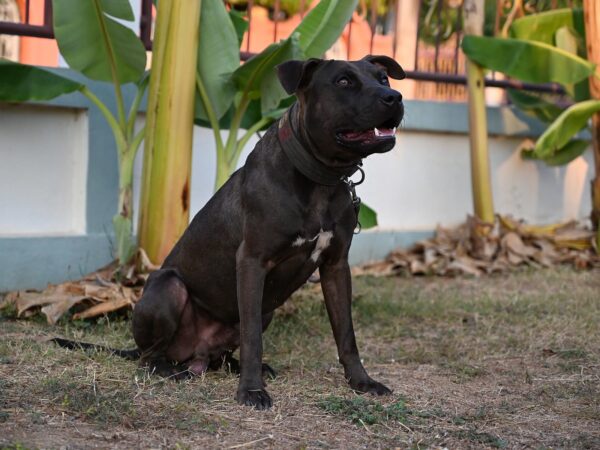
- Short-coated or thin-furred, like a Staffy, Greyhound or Whippet
- Very young or very old, as puppies and senior dogs regulate temperature less efficiently
- Lean, unwell, or managing a health condition such as arthritis
- Wet from rain or a bath, which strips away warmth quickly
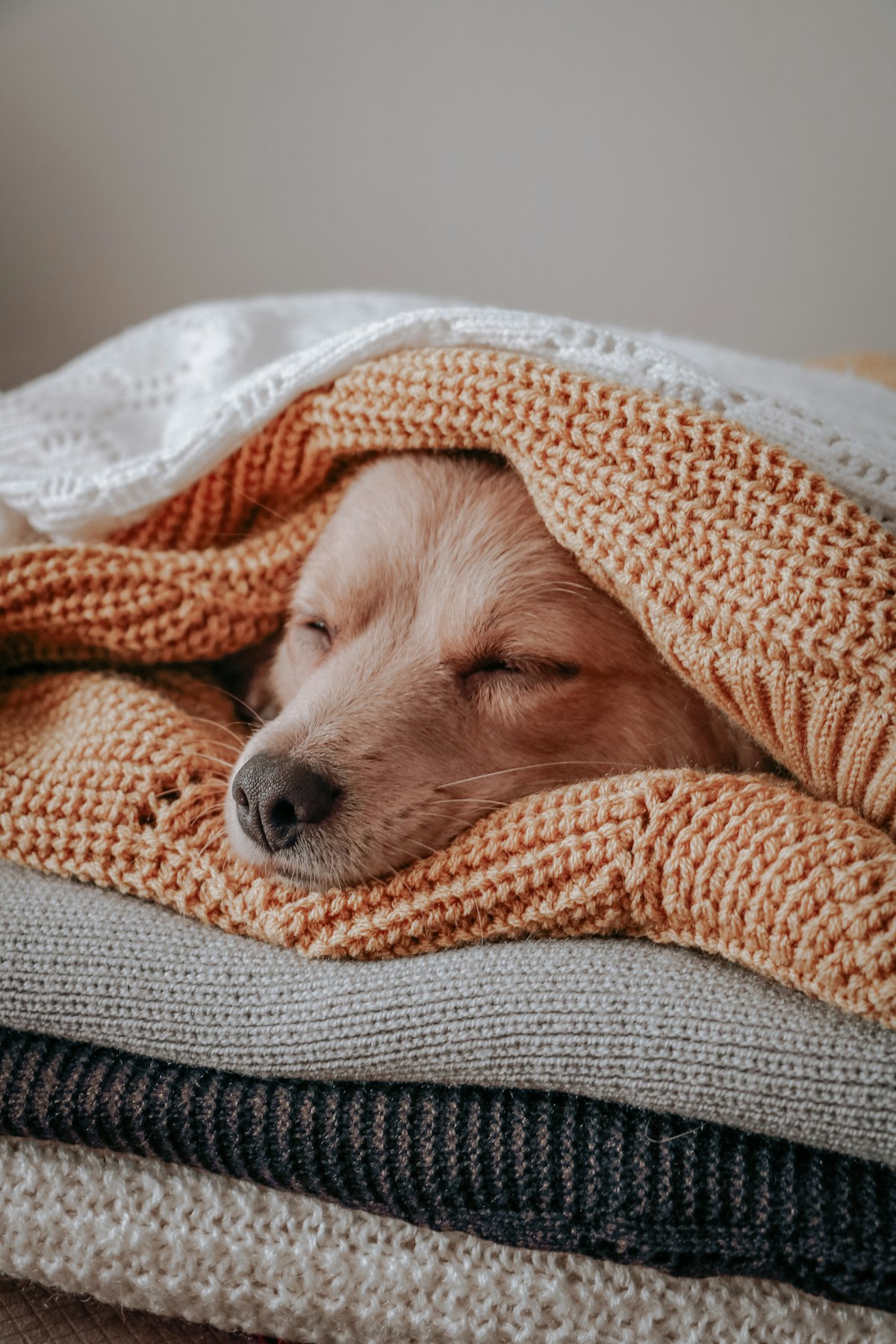
If the shivering stops soon after your dog dries off, warms up or settles on the couch, the cold was almost certainly the culprit.
It is not always the cold: other reasons dogs shiver
Shivering and trembling can also have nothing to do with temperature. If your dog is shaking in a warm room, it is worth looking a little closer.
Pain or discomfort
Dogs are very good at hiding pain, and trembling can be one of the few outward clues. Injury, arthritis or internal discomfort may cause shaking, often alongside whining, limping, reluctance to move, or guarding one part of the body. The RSPCA’s guide to arthritis in dogs lists stiffness, reluctance to walk and yelping when touched among the signs to watch for. Persistent trembling with any of these signs is a reason to book a check-up.
Stress, fear or excitement
Many dogs shake during thunderstorms, fireworks, car trips or vet visits. An over-excited dog greeting you at the door may also tremble. This kind of shivering usually eases once the trigger passes and your dog feels calm and safe again.
Feeling unwell
Nausea, an upset stomach, a fever or having eaten something they should not have can all bring on the shakes. Common household hazards for dogs include chocolate (the RSPCA lists trembling and muscle tremors among the signs of chocolate poisoning), grapes and sultanas, and the sweetener xylitol, which can cause weakness, wobbliness and seizures. If shivering comes with vomiting, drooling, lethargy or a wobbly walk, treat it as urgent and contact your vet.
Age-related tremors
Some older dogs develop mild trembling in the legs as they age, and certain breeds are prone to head or body tremors. These can be harmless, but because they can also signal a neurological or metabolic issue, it is best to have any new tremor assessed rather than assumed.
When shivering is a warning sign
Reach out to a licensed veterinarian promptly if the shivering is severe, comes on suddenly, or appears alongside any of these signs:
- Lethargy, weakness or collapse
- Vomiting, diarrhoea or loss of appetite
- Confusion, disorientation or unsteadiness on their feet
- Pale gums, fast or laboured breathing
- Crying out, limping or obvious signs of pain
- Shivering that will not stop even once your dog is warm and calm
Intense, ongoing shivering with weakness and sluggishness can be a sign of hypothermia, where the body temperature drops dangerously low. This is an emergency: warm your dog gently and seek veterinary care straight away. Consult a licensed veterinarian for diagnosis or treatment specific to your pet.
How to help a shivering dog stay warm
For everyday winter chills, a few simple steps go a long way:
- Bring your dog indoors during cold snaps, and give outdoor dogs a dry, draught-free, well-bedded shelter
- Dry them thoroughly after baths, swims or rainy walks
- Consider a well-fitted coat or jumper for small, short-haired, senior or arthritic dogs
- Add extra bedding and a warm spot away from cold tiles and draughts
- Keep walks a little shorter on bitter mornings and aim for the warmer part of the day
- Make sure their diet and weight are right for the season: some dogs need a little extra to fuel body heat, so check amounts with your vet
The bottom line
A quick shiver after a cold walk is usually nothing more than your dog warming up, especially if they are small, slender or short-coated. What matters is the context. Shivering that settles once your dog is dry, warm and relaxed is rarely a concern. Shivering that is sudden, severe, or paired with pain, vomiting, lethargy or confusion deserves a vet’s attention.
Trust your instincts. You know your dog better than anyone, and when something feels off, a quick chat with your vet is always the safest call this winter.