As the southern chill rolls in, plenty of Aussie owners find themselves eyeing the pet aisle and wondering whether their dog really needs to rug up. It is a fair question. Some dogs barely notice a frosty Melbourne morning, while others start shivering the moment the temperature dips. The honest answer is that it depends on your dog — their breed, size, age, coat and health all play a part. Here is how to work out whether a coat is a sensible buy or just a cute extra.
So, do dogs actually need coats?
Dogs are not all built the same. A thick double coat, like the kind huskies and malamutes carry, is a brilliant natural insulator, so those breeds rarely need any help staying warm. For them, a coat can actually cause overheating. At the other end of the scale, dogs with short, fine or single-layer coats have very little built-in protection, and that is where a well-fitted jacket earns its keep on cold, wet or windy days.
Animal welfare groups such as the RSPCA point out that short-coated, elderly, young, underweight and unwell animals are the most vulnerable when temperatures drop. So a coat is less about fashion and more about giving cold-sensitive dogs a fair go through the cooler months.
Which dogs feel the cold most
Some dogs are simply more exposed to the chill than others. Keep a closer eye on your dog if they fall into any of these groups:
- Small breeds such as Chihuahuas, Terriers and Dachshunds, which lose body heat quickly
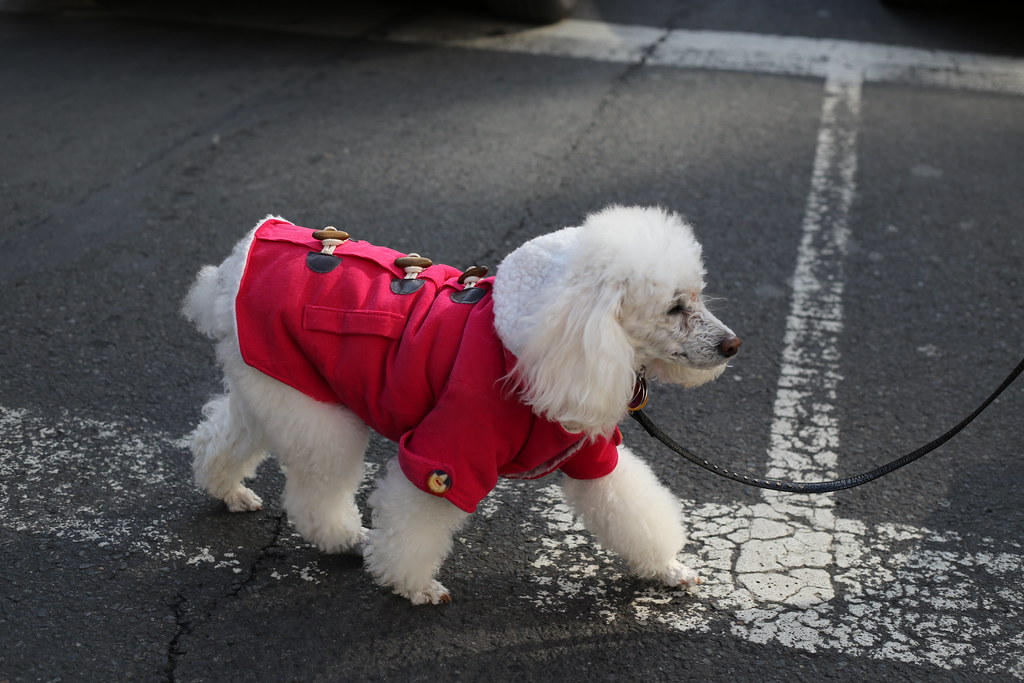
- Thin or single-coated breeds like Greyhounds, Whippets and many Poodles
- Senior dogs, who often feel the cold more and may have stiff, sore joints
- Puppies, who cannot regulate their body temperature as well as adults
- Underweight dogs, or those recovering from illness or surgery
If your dog ticks one of these boxes, a coat is worth considering — especially for early-morning and evening walks.
How cold is too cold?
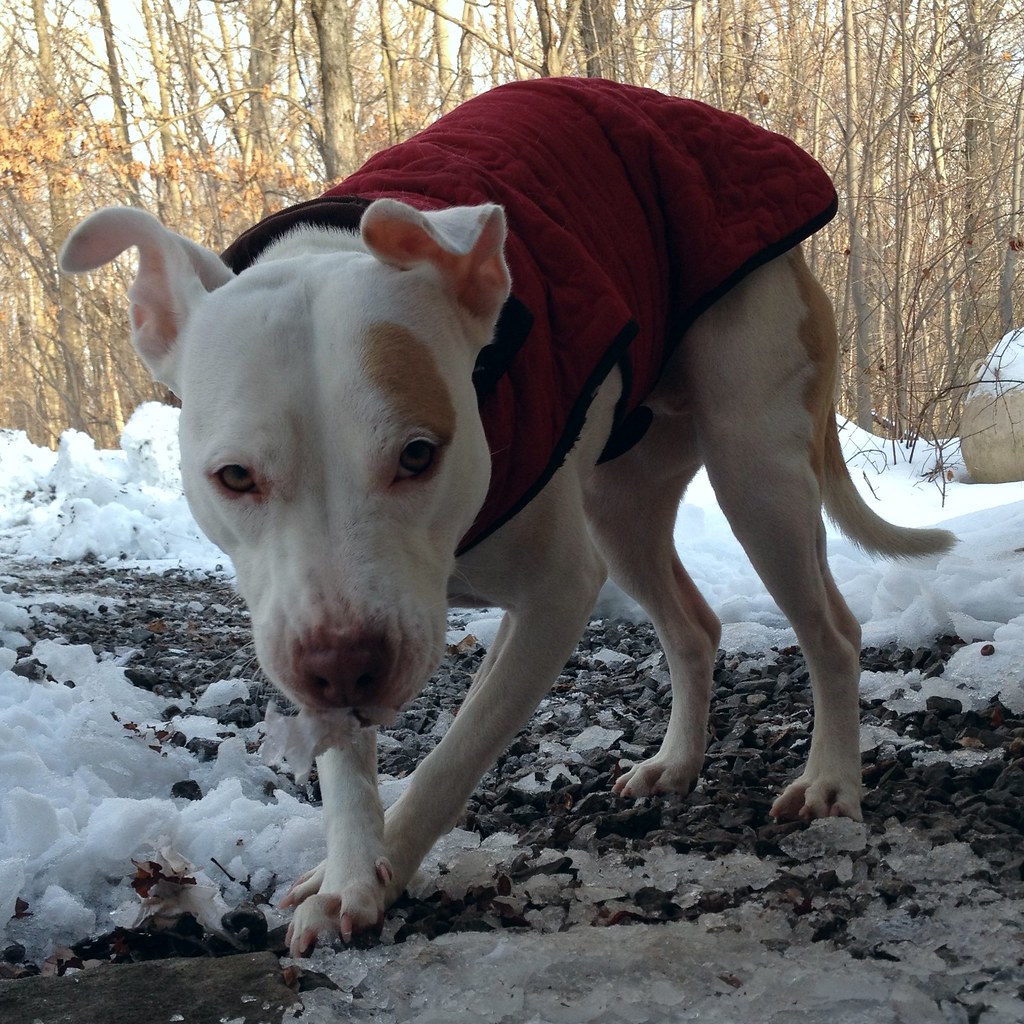
There is no single magic number, but vets offer some useful rules of thumb. For cold-sensitive dogs, a coat is often recommended once the temperature falls below about 14°C — which covers most winter nights across much of Australia. Wind and rain make it feel far colder, so that threshold climbs closer to 18°C in wet or blustery conditions. On the flip side, a dog basking in winter sun on a still day may be perfectly comfortable down around 10°C.
Remember that activity matters too. A dog trotting briskly on a walk generates plenty of heat, while one standing around or sitting on cold ground cools down quickly.
Signs your dog is feeling the chill
Your dog cannot tell you they are cold, but their body language will. Watch for:
- Shivering or trembling — the most obvious sign their temperature is dropping
- Curling into a tight ball or tucking the tail to conserve heat
- Slow, stiff movements or general low energy
- Reluctance to go outside, or lifting paws off cold ground
- Seeking out warm spots and snuggling up close to you
A good general guide: if you are reaching for a jumper, your cold-sensitive dog might appreciate one too.
How to choose a coat that actually helps
A coat only works if it fits properly and suits the conditions. When you are choosing one, look for:
- A snug fit that does not restrict movement — you should be able to slide a flat hand under the straps; if not, size up
- Good coverage across the chest and belly, where dogs lose a lot of heat
- Water-resistant fabric for our wet, drizzly winter walks
- Easy on-and-off design with secure, adjustable fastenings
- No loose parts your dog could chew or get tangled in
Always supervise your dog when they are wearing a coat, and take it off indoors so they do not overheat.
Beyond the coat: other winter comfort tips
A jacket is just one part of keeping your dog cosy. A few extra habits go a long way:
- Give them a warm, draught-free bed raised off cold floors
- Towel your dog dry after wet walks, paying attention to paws and belly
- Check paw pads regularly for cracking or dryness
- Keep up regular exercise — a tired dog is a content dog, even in winter
- Watch the food bowl, as less activity can lead to quiet winter weight gain
The bottom line
Not every dog needs a coat, but for small, thin-coated, senior or unwell dogs, the right jacket can make winter walks far more comfortable. Pay attention to your dog as an individual, watch for the signs they are cold, and dress them for the conditions rather than the calendar. If your dog has a health condition, is very young or elderly, or you are unsure how they are coping with the cold, consult a licensed veterinarian for advice specific to your pet.