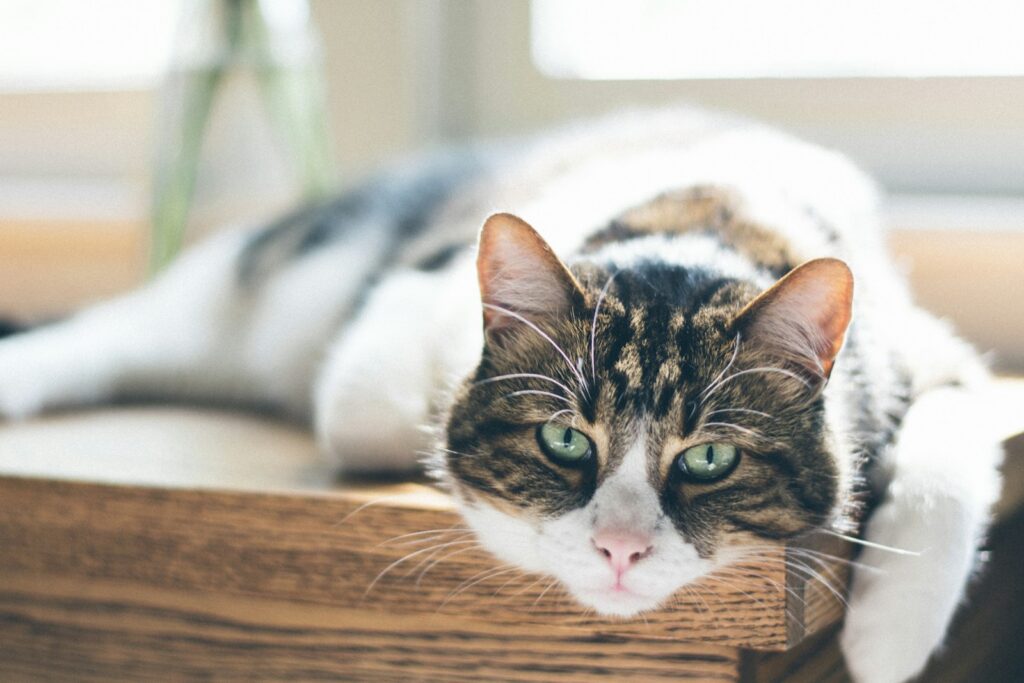
A cat that is losing weight without being on a diet almost always has a medical reason behind it, even if they still seem bright and hungry. The most useful first clue is appetite: weight loss in a cat that is eating normally or more than usual points towards conditions such as hyperthyroidism, diabetes, intestinal disease or worms, while weight loss with a poor appetite suggests dental pain, kidney disease, cancer, pain or stress. Either way, contact your vet whenever you think your cat has lost weight.
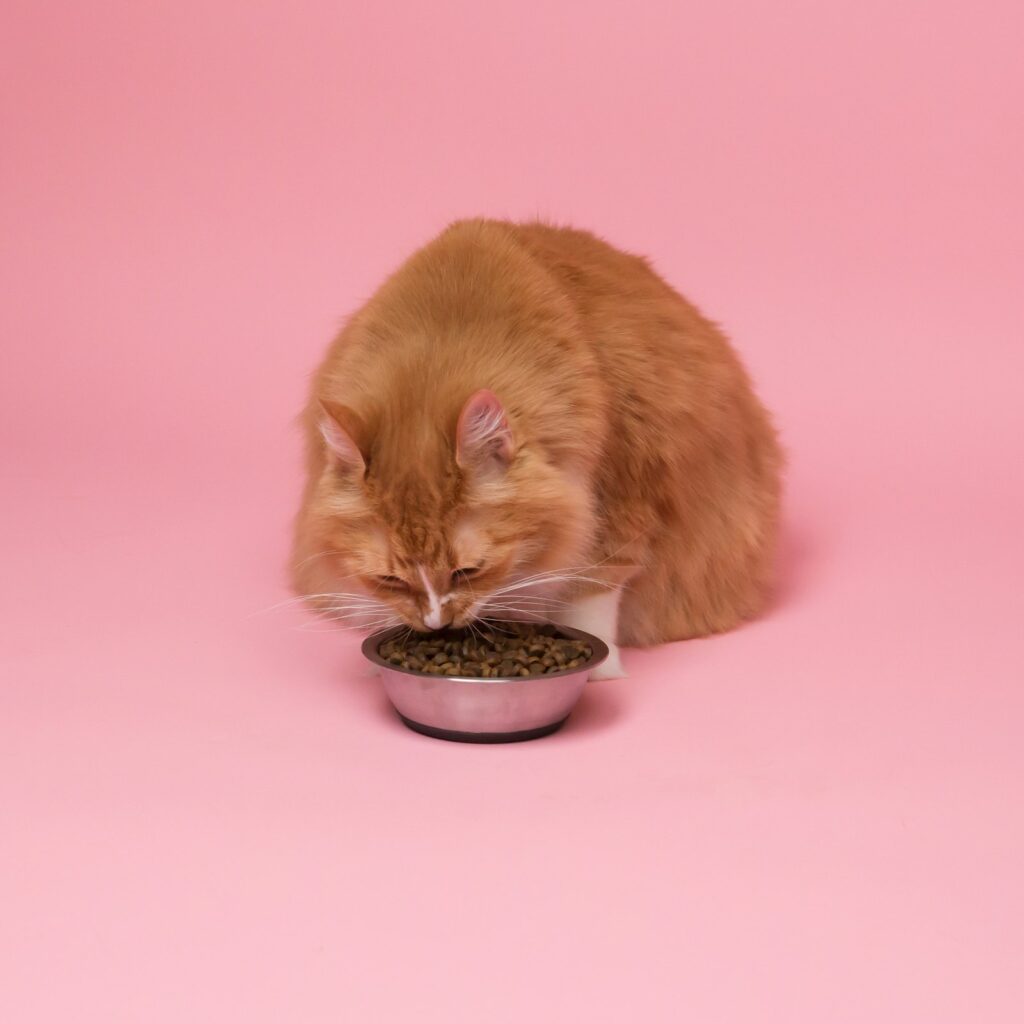
First question: is your cat eating normally, more or less?
Before you ring the vet, spend a day or two measuring what goes into the bowl and what is left over. It is one of the most helpful pieces of history you can give. Vets ask about changes in appetite and activity as part of every weight loss work-up.
| Appetite | Common causes to discuss with your vet |
|---|---|
| Normal or increased | Hyperthyroidism, diabetes, intestinal disease (including inflammatory bowel disease), intestinal worms |
| Reduced or fussy | Dental disease and mouth pain, chronic kidney disease, cancer, pain elsewhere in the body, stress |
There is overlap, and illnesses can shift columns as they progress, so treat the table as a starting point, not a diagnosis.
Losing weight while eating normally or more
Hyperthyroidism
An overactive thyroid speeds up the metabolism, so the cat burns calories faster than it can take them in. Cornell Feline Health Center describes it as a common disease that mostly affects middle-aged and older cats, with weight loss, increased appetite, and increased thirst and urination as the most common signs.
Diabetes
In diabetes, the body cannot use glucose properly, so it breaks down fat and muscle for energy instead. The two signs owners most often spot are weight loss despite a good appetite, and increased thirst and urination. Our guide to feline diabetes in Australian cats covers treatment and the chance of remission.
Intestinal disease
If the gut cannot absorb nutrients properly, a cat can eat plenty and still lose condition. Inflammatory bowel disease can cause weight loss, vomiting, diarrhoea and changes in appetite, and Cornell notes that intestinal lymphoma, a type of cancer, can be particularly hard to tell apart from it without a biopsy.
Intestinal worms
Parasites take a share of the nutrients your cat eats. VCA lists intestinal parasites as a common cause of weight loss, especially in kittens, which is why a faecal test is part of the standard screening. Check when your cat was last wormed and see our worming schedule guide for dogs and cats.
Losing weight while eating less
Dental disease and mouth pain
A sore mouth makes eating unpleasant. VCA notes that dental pain may explain some cats’ finicky appetites, and that affected cats may approach the bowl reluctantly, drop food from their mouth, or avoid dry food, which can lead to noticeable weight loss. Many cats show no obvious signs at all. Read more about dental disease signs and prevention.
Chronic kidney disease
Kidney disease is one of the most important causes of slow weight loss in older cats. In a study of cats later diagnosed with chronic kidney disease, cats lost a median of 8.9% of their body weight in the 12 months before diagnosis, and the researchers estimated the loss began around three years earlier. That is why regular weighing matters so much. Our kidney disease early-warning guide covers the other signs to watch.
Cancer, pain and stress
Cancer, liver disease, pancreatitis and viral infections such as FIV and FeLV are all on the list of possible causes, as is stress. Common triggers include a new pet, a house move or holiday disruptions. Ongoing pain is also worth raising with your vet; our guide to the subtle signs of arthritis in older cats explains what to look for, and a bowl that is easy to reach without jumping is a simple change to try.
Senior cats: weight loss is not just “getting old”
It is tempting to put a thinning older cat down to age, but several of the most common causes of weight loss, including hyperthyroidism and kidney disease, are conditions of mature and senior cats that can be treated or managed. A slow downward trend on the scales is often the earliest clue, so weigh older cats monthly and keep up with regular senior checks.
How to weigh your cat at home
Cats are small, so a few hundred grams is easy to miss by eye or by lifting them. Cornell’s feline specialists suggest buying a baby scale to monitor your cat’s weight at home. If you do not have one:
- Weigh yourself on bathroom scales and write the number down.
- Pick up your cat (or their carrier with the cat inside, then weigh the empty carrier) and weigh again.
- Subtract the first number from the second.
- Repeat at the same time of day, before breakfast, roughly once a month, and keep a simple log on your phone.
Use a body condition score as well
Weight alone does not tell the whole story. The WSAVA body condition score chart for cats uses a nine-point scale. At the ideal score of 5, ribs can be felt with a slight fat covering and there is a waist behind the ribs that is not pronounced. At 3, ribs are easily felt with minimal fat and the backbone over the loins is obvious. At 1 or 2, ribs are easily seen on a short-haired cat and there are no fat pads. Cornell also suggests owners use a body condition score chart, checking the ribs, side profile and view from above. Long-haired cats can hide a lot of weight loss, so feel, do not just look.
Why a small loss matters in a small animal
A 400 gram drop sounds trivial, but for a 4 kg cat it is 10% of their body weight. In the kidney disease study above, the median loss in the year before diagnosis was close to 9%, and the authors estimated that a typical 4.2 kg cat would lose about 0.86 kg over the three years before diagnosis. Changes like this are easy to miss day to day, which is why written records help.
Multi-cat households and food stealing
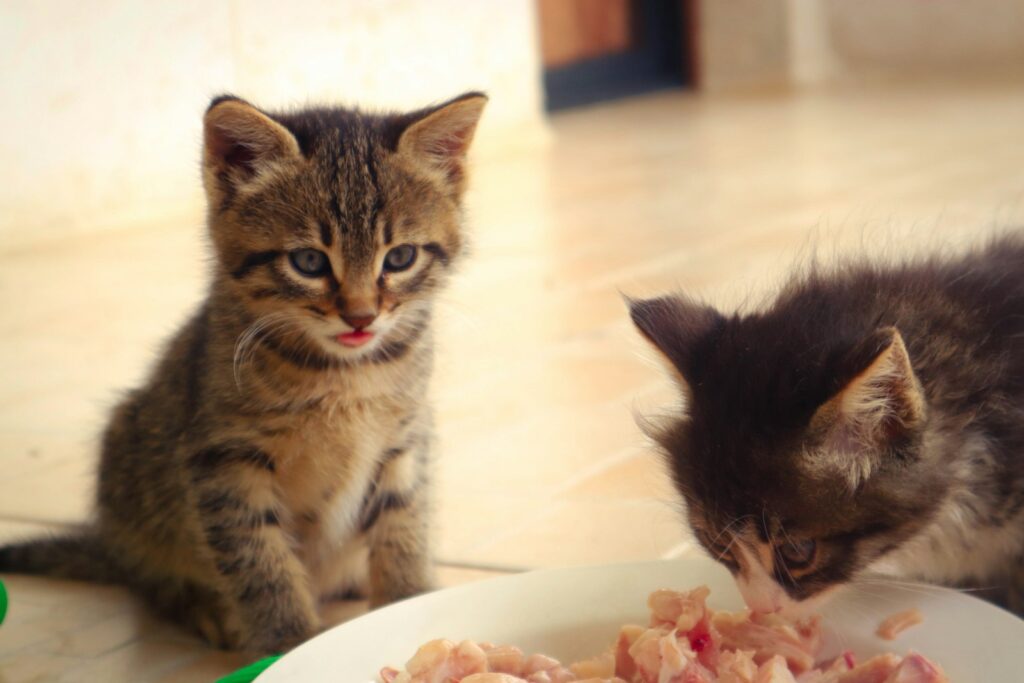
In a house with several cats, it can be hard to know who is eating what. One cat may be bullied away from the bowl while another eats a double share, so a “good appetite” in the household may hide one cat going without. A feline nursing handout hosted by the American Association of Feline Practitioners notes that bullying at the bowl can lead to anxiety or malnutrition, and suggests feeding cats apart, using barriers so they cannot see each other, raised feeding spots, or microchip feeders that open only for the registered cat. Feeding and weighing each cat separately for a week shows whether a thin cat is ill or simply missing out.
Why cats must not go without food
Never try to fix weight problems, or wait out a fussy patch, by letting a cat go hungry. Cats that go without eating for a few days in a row can develop hepatic lipidosis (fatty liver disease), a serious condition in which fat overwhelms the liver. Overweight cats are at greater risk, and signs include yellowing of the skin and gums, lethargy, weakness and vomiting. The University of Illinois notes that once it develops, the cat will not usually start eating again on its own, and treatment often means feeding through a tube for several weeks. Cornell also warns that a sudden starvation diet can trigger it, so any planned weight loss should be gradual and vet-guided.
When to see a vet
- Book an appointment if you notice any unplanned weight loss, a downward trend on your home log, or a drop in body condition score.
- Go promptly if your cat is also drinking or urinating more, vomiting, has diarrhoea, or is hiding more than usual.
- Treat it as urgent if your cat has stopped eating, looks yellow around the gums or eyes, or is weak and flat. VCA’s urgent care guidance says a pet that hasn’t eaten for more than 12 hours should be seen, and a diabetic animal that refuses even one meal needs attention. Call your vet or nearest emergency vet.
What tests to expect
Your vet will start with a detailed history and physical examination, including weight, body condition and a check of the mouth and neck. According to VCA, the most common screening tests are:
- a complete blood count and serum biochemistry profile
- urinalysis
- a faecal test for parasites
- a thyroid hormone (total T4) test
Depending on those results, follow-up tests may include X-rays or ultrasound, fine needle aspirates or biopsies, FIV and FeLV testing, a fructosamine test for diabetes, and further pancreatic, liver or heart tests. Bring your weight log and feeding notes.
Frequently asked questions
Why is my cat losing weight but still eating?
The most common reasons are hyperthyroidism, diabetes, intestinal disease and worms, all of which stop the body using food efficiently. A blood test, urine test and faecal test usually narrow it down quickly.
How much weight loss is significant in a cat?
Any unplanned, steady loss is worth a vet visit. For a 4 kg cat, losing 400 g is already 10% of body weight, and cats in one kidney disease study lost a median of 8.9% in the year before diagnosis.
How long can a cat go without eating?
Not long. Cats that miss food for a few days in a row risk hepatic lipidosis, so contact your vet promptly if your cat stops eating, and do not wait more than a day.
Key takeaways
- Note whether appetite is normal, increased or reduced: it shapes the list of likely causes.
- Weigh your cat monthly with a baby scale or the subtraction method, and check body condition score.
- Small losses matter: 400 g is 10% of a 4 kg cat.
- In multi-cat homes, feed separately to see who is really eating.
- Never let a cat go without food; fatty liver disease is a real risk.
Sources
- Cornell Feline Health Center: Hyperthyroidism in Cats
- Cornell Feline Health Center: Feline Diabetes
- Cornell Feline Health Center: Inflammatory Bowel Disease
- Cornell Feline Health Center: Obesity
- WSAVA: Global Nutrition Guidelines and Body Condition Score tools
- VCA Animal Hospitals: Testing for Weight Loss in Cats
- VCA Animal Hospitals: Dental Disease in Cats
- VCA Animal Hospitals: Loss of Appetite (Urgent Care)
- PDSA: Weight Loss in Cats
- Journal of Veterinary Internal Medicine: Evaluation of Weight Loss Over Time in Cats with Chronic Kidney Disease (Freeman et al., 2016)
- University of Illinois College of Veterinary Medicine: Hepatic Lipidosis, a Serious Problem When Cats Stop Eating
- American Association of Feline Practitioners (catvets.com): Feeding Challenges in the Multi Cat Household
This article is general information only and is not a substitute for advice from a registered veterinarian. If your cat has stopped eating, looks yellow, or is weak or unwell, contact your vet or nearest emergency vet straight away.