If you have ever fallen down a late-night rabbit hole of “most expensive pets in the world,” you have probably met the Ashera cat, a leopard-spotted giant marketed as a once-in-a-lifetime companion with a price tag of tens of thousands of US dollars. It is a jaw-dropping story. It is also one of the most talked-about controversies in the exotic pet world. Here is the honest version: what the Ashera cat actually is, where it came from, and what you really need to know before you ever dream of owning one.
What Is an Ashera Cat?
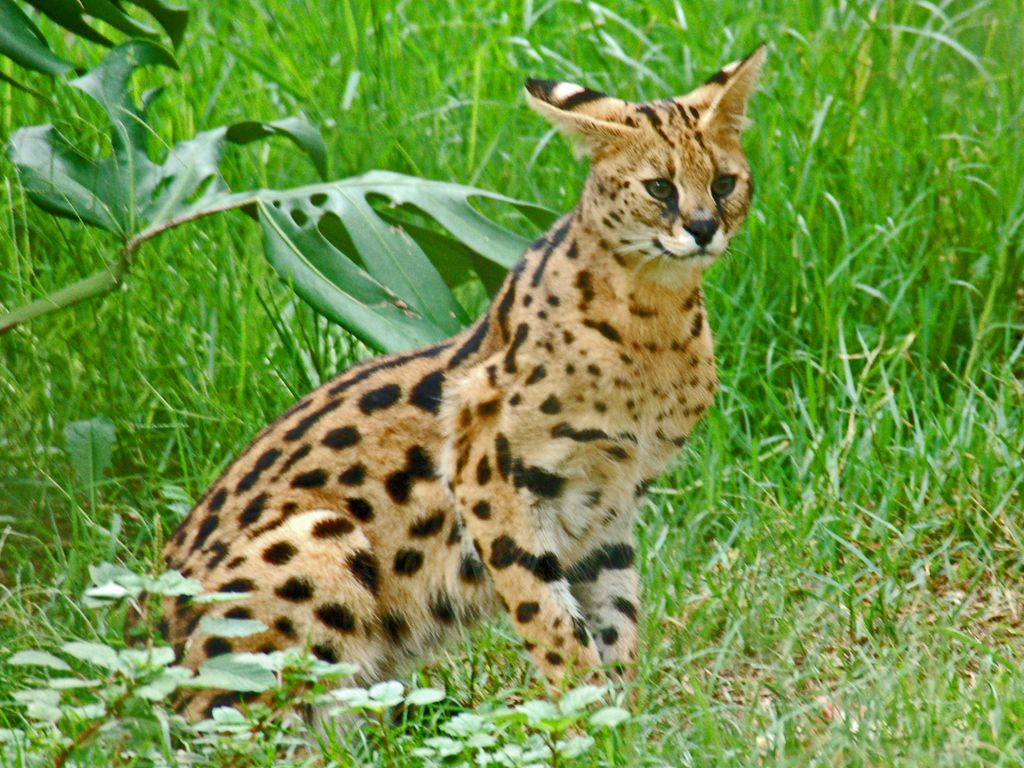
The Ashera cat first appeared in the mid-2000s, marketed by US company Lifestyle Pets (formerly Allerca) as a brand-new hybrid: a cross between a domestic cat, the African serval, and the Asian leopard cat, producing a tall, wild-looking feline the size of a small dog. Buyers were promised a rare, exotic, and supposedly hypoallergenic pet, and they were charged accordingly: around US$27,000 for a standard Ashera, with much higher figures (up to US$125,000) widely quoted for rarer variants.
There was just one problem. No major cat registry, not TICA, not the CFA, not any other recognized body, has ever accepted the Ashera as a real breed. And when the DNA was finally examined, the original story did not appear to hold up the way it had been marketed.
The $125,000 Controversy, Explained
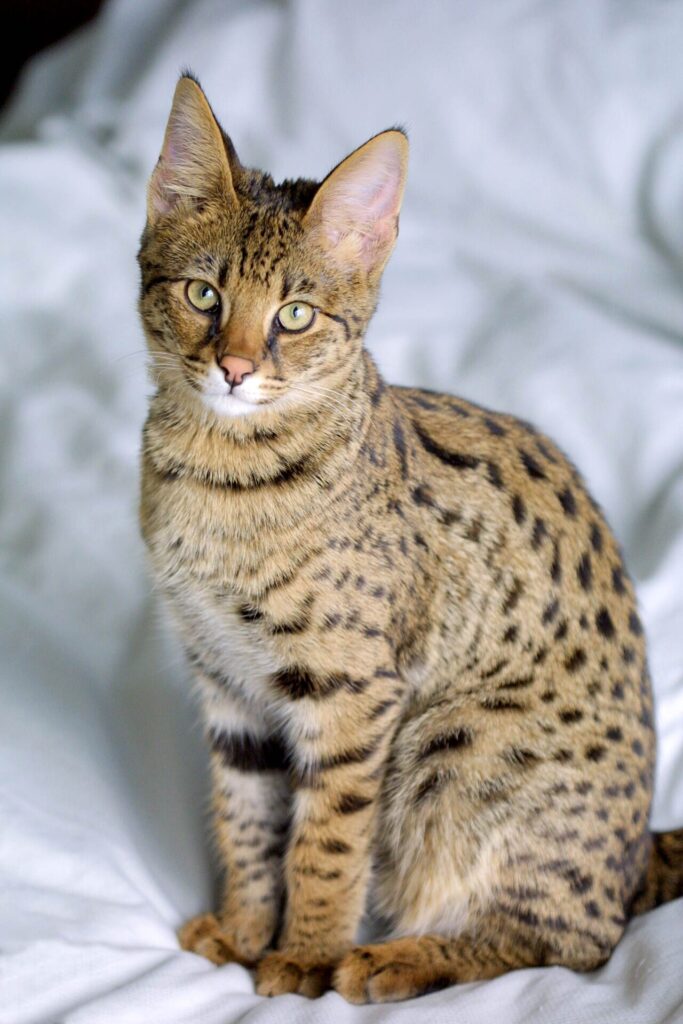
In the late 2000s, DNA testing reported in the media indicated that cats sold as “Ashera” were not a new hybrid at all. Several of the cats sold under the Ashera name turned out to be Savannah cats, an established serval-to-domestic hybrid that had existed for years and cost a fraction of the Ashera price.
Based on those reports, the cats sold as “Ashera” appear to have been Savannah kittens marketed under a different name at a much higher price. The exotic origin story did not appear to hold up, and the widely advertised “hypoallergenic” claim was never independently confirmed.
So when someone says they own an Ashera cat, what they most likely own is a Savannah cat under a more expensive name.
Size and Appearance
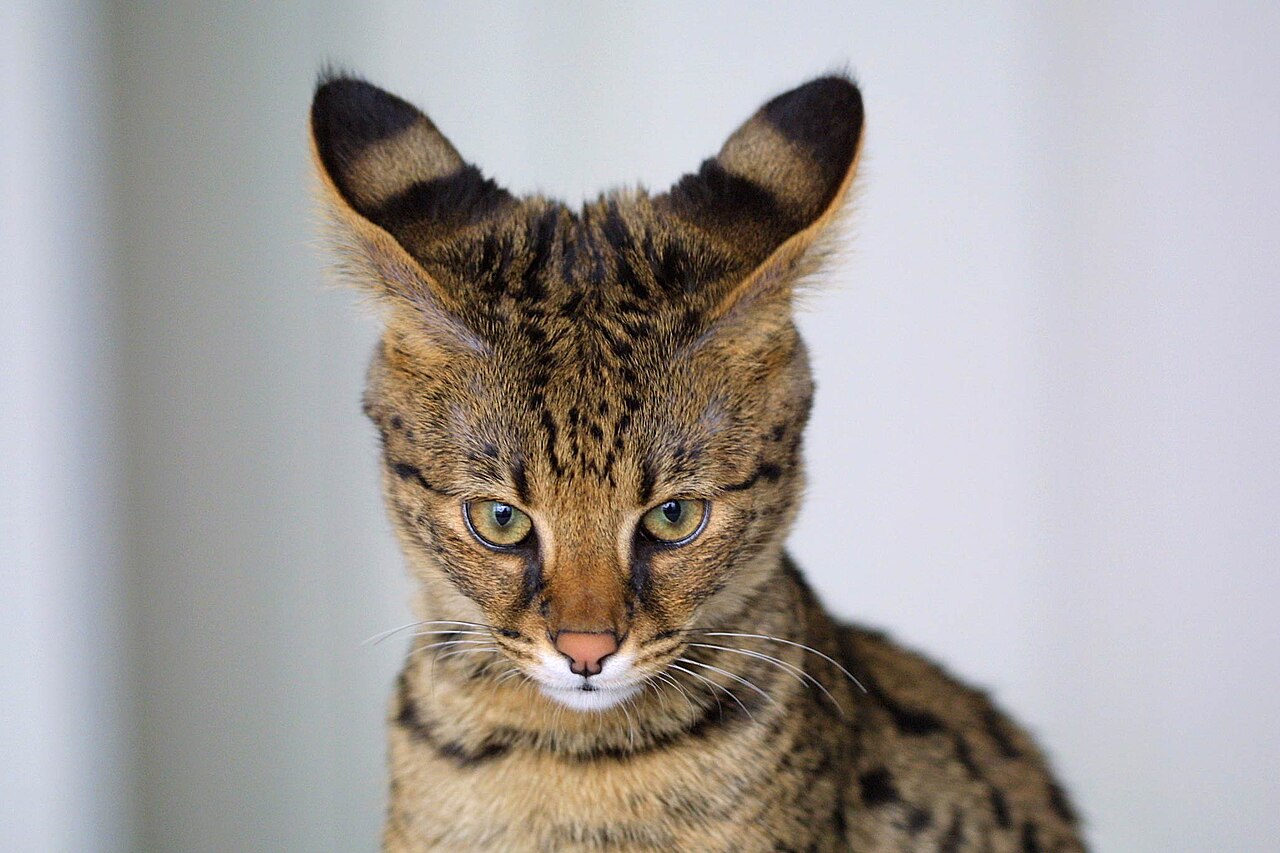
Marketing materials pitched the Ashera as a giant, dog-sized cat. The reality, based on the Savannah cats they actually were, is still impressive but more grounded:
- Height: tall and leggy, noticeably bigger than an average house cat
- Weight: roughly 4.5–11 kg for early generations, with later generations smaller (early-generation Savannahs are largest)
- Coat: golden to tawny with bold dark spots, inherited from wild ancestors
- Build: long legs, large ears, an athletic, almost cheetah-like silhouette
Temperament and Personality
Whatever you call it, this is a high-energy, intelligent cat. Owners of Savannah-type cats consistently describe a dog-like personality: they bond hard with their people, follow you around the house, learn to walk on a harness, and many are unfazed by water. They are curious, talkative, and endlessly busy.
That intelligence comes with demands. These cats need climbing space, puzzle play, and daily interaction or they get bored and destructive. Their strong prey drive also makes them a poor match for homes with small pets like hamsters, rabbits, or birds.
Caring for a Serval-Hybrid Cat
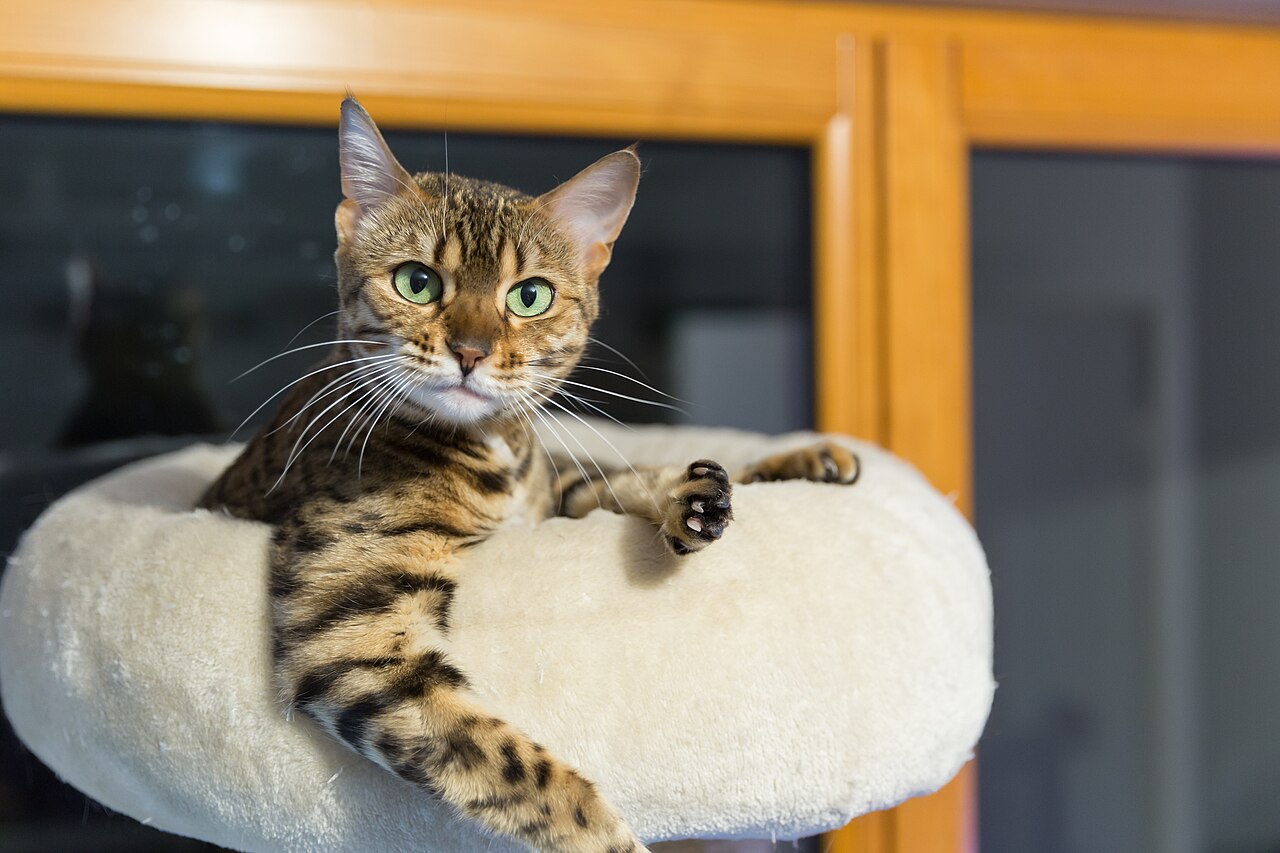
If you are drawn to the look and personality, you are really looking at owning a Savannah cat (or a Bengal, a smaller relative). In Australia, only the Bengal is a realistic option, and only from a local breeder. Before you commit, weigh the practical realities:
- Legality: in Australia, Savannah cats have been banned from import since 2008 because of the risk to native wildlife, and Bengal cats can no longer be imported from 1 March 2026; overseas, rules for early-generation hybrids vary by state and country
- Diet: a high-protein diet suits their active metabolism; ask your vet about the right balance
- Space: tall cat trees, secure outdoor catios, and room to sprint are close to mandatory
- Time: these are not cats that thrive when left alone all day
- Vet care: work with a vet experienced in hybrid cats for vaccines and anesthesia notes
Should You Buy an Ashera Cat?
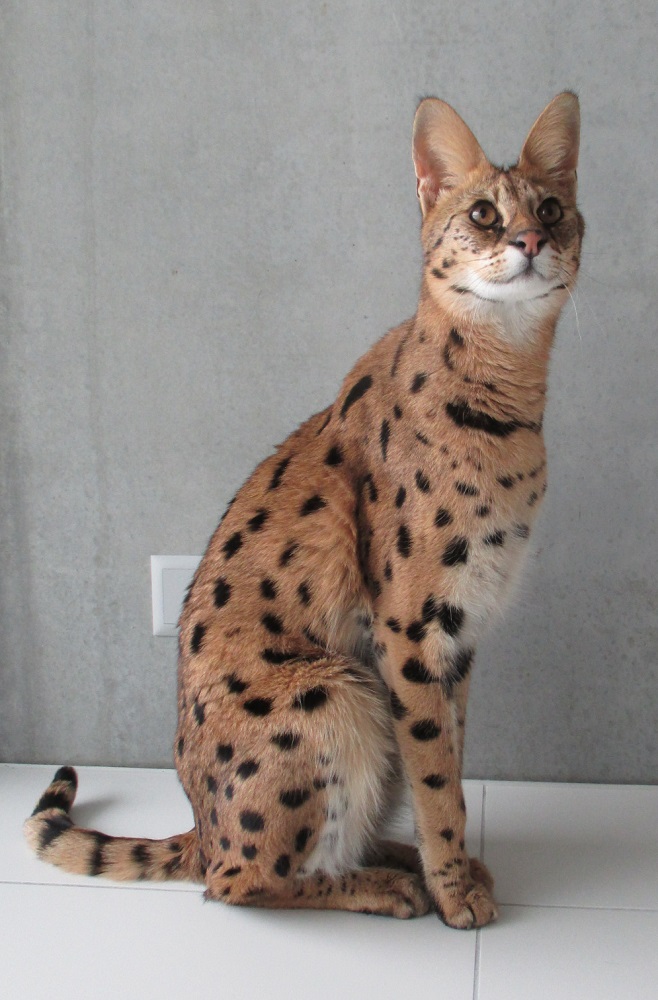
Our honest take: there is little reason to chase the “Ashera” label. The available evidence suggests the name added a large markup without a distinct, registry-recognized breed behind it, and the exotic backstory has not held up to scrutiny. If you love the exotic, wild-cat look and the playful, dog-like temperament, a well-bred Bengal from a reputable, registered breeder (or, outside Australia, a Savannah) gives you a similar experience, with documented lineage, lower risk, and a price that reflects reality.
The best exotic-looking cat is the one whose history you can actually verify.
Frequently Asked Questions
Is the Ashera cat a real breed?
No. It is not recognized by any major cat registry, and reported DNA testing has indicated that cats sold as “Ashera” were Savannah cats.
How much did an Ashera cat cost?
Around US$27,000 for a standard cat, with figures up to US$125,000 widely quoted for rarer variants, far above what the underlying Savannah cats were worth.
Are Ashera cats hypoallergenic?
There is no reliable evidence to support this. The hypoallergenic claim was part of the marketing and was never independently substantiated.
What should I buy instead?
A Savannah or Bengal cat from a registered, reputable breeder offers a similar look and personality with verifiable lineage. In Australia, Savannahs are banned and Bengals can no longer be imported, so a locally bred Bengal is the realistic choice.
The Bottom Line
The Ashera cat is a fascinating reminder that a great story and a big price tag are not proof of anything. Behind the legend is a wonderful animal, the Savannah cat, that owners in many countries (though not Australia) can welcome home without the myth or the markup. Do your research, choose a transparent breeder, and you will get the exotic companion you were really looking for all along.