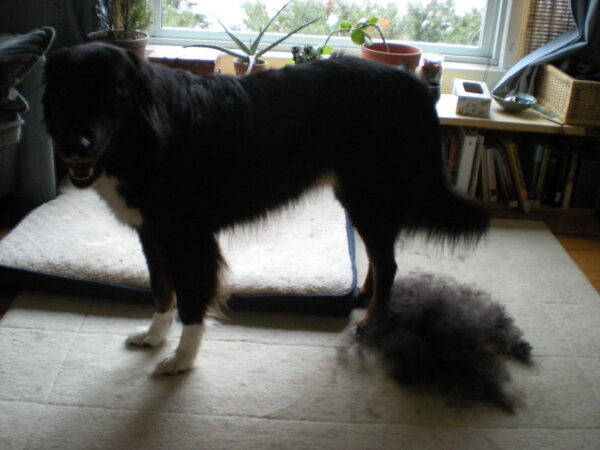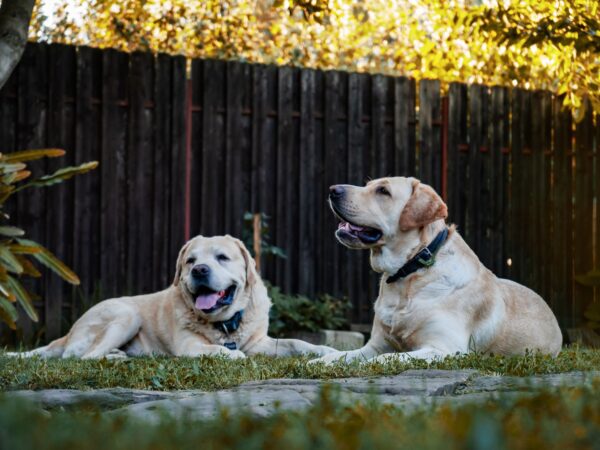
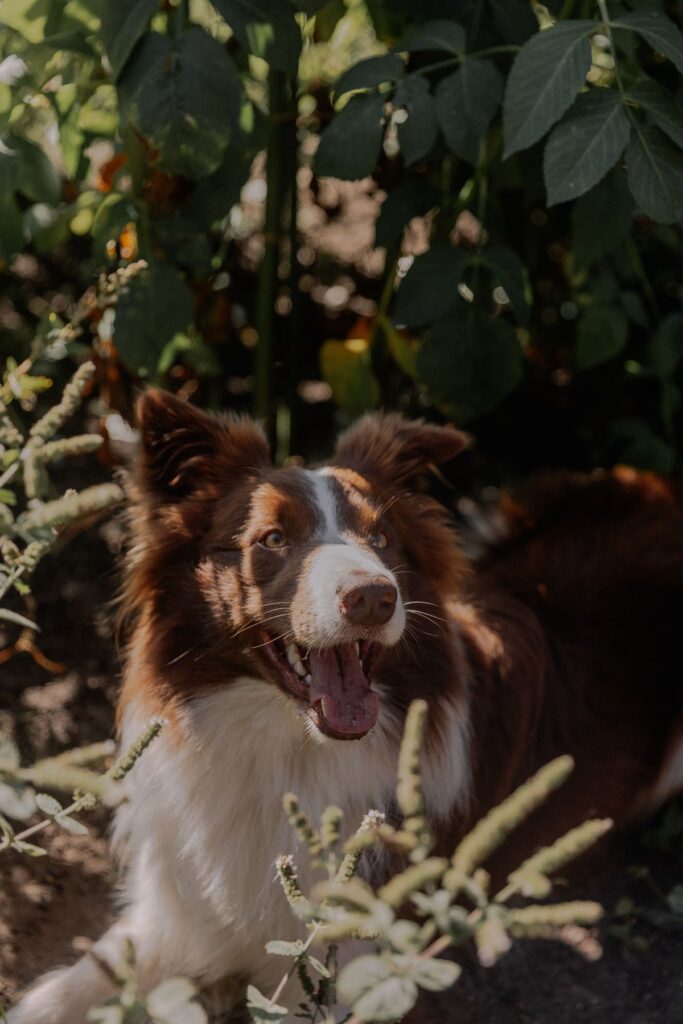
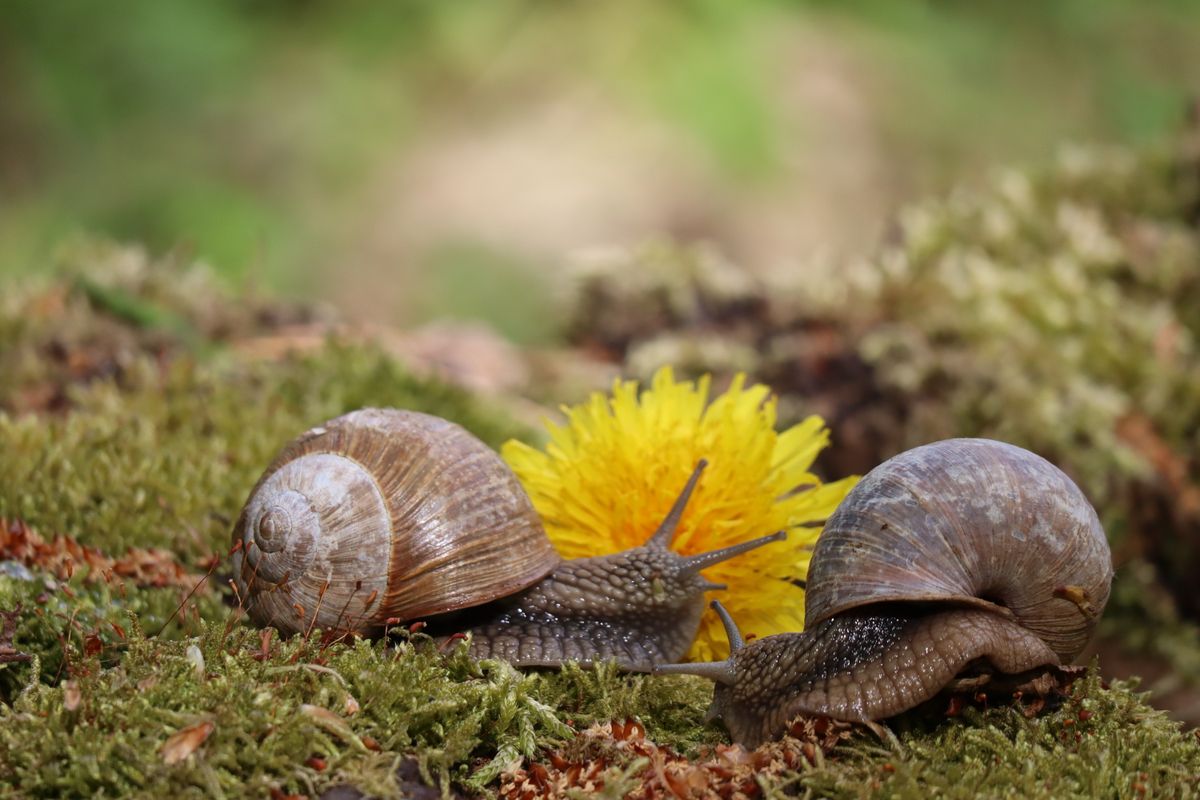
A few days of winter rain and suddenly the garden is alive with snails and slugs. For many Australian households the next move is a quick scatter of snail pellets around the veggie patch — and that small, well-meaning habit is one of the most common reasons dogs land in emergency vet clinics during the cooler months. Snail bait poisoning is fast, frightening and often fatal, yet it is almost entirely preventable once you know what to look for.
Why snail bait is so dangerous for dogs
Most traditional snail baits are built around metaldehyde or methiocarb — neurotoxins designed to kill snails and slugs, but just as happy to poison a curious dog. The pellets are often coloured and shaped a lot like kibble and mixed with bran to make them tasty to snails, which unfortunately makes them appealing to dogs too. Australian vets warn that as little as a teaspoon of metaldehyde bait can be enough to kill a small dog. There is no antidote, so survival comes down to how quickly your dog gets treatment.
Not all snail pellets are equal
It pays to know what is in the box. In Australia, snail baits generally fall into three groups:
- Metaldehyde (often green pellets) — fast-acting and highly toxic to pets.
- Methiocarb (often blue pellets) — another dangerous neurotoxin.
- Iron EDTA or iron chelate (often yellow or brown pellets, sold under names like Multiguard) — generally lower-risk for pets, though a large feed can still cause iron poisoning.
Iron-based baits are the safer pick if you must use a product, but don’t be lulled by “pet-friendly” labelling. Vets are clear that any bait can harm a dog if enough is eaten.
The warning signs to watch for
Symptoms can appear within 30 minutes to three hours of a dog eating bait. Vets nickname metaldehyde poisoning “shake and bake” because of its two hallmark signs: uncontrollable shaking and a dangerously high body temperature. Watch for:
- Drooling, vomiting or diarrhoea
- Restlessness, anxiety or heavy panting
- A wobbly, drunken-looking gait
- Muscle twitching and tremors
- Seizures
- A very high body temperature
Signs can escalate fast, and dogs that survive the first crisis can still develop liver damage two to three days later. That is why this is always treated as an emergency — even if your dog seems mostly okay.
What to do if you suspect poisoning
Don’t wait for symptoms to appear and don’t try to manage it at home. If there is any chance your dog has eaten snail bait, treat it as a race against the clock:
- Phone your vet or the nearest emergency animal hospital straight away.
- Call the Animal Poisons Helpline on 1300 869 738 (free, 24/7) for immediate advice.
- Take the bait packaging with you so the vet knows the active ingredient.
- Don’t induce vomiting unless a vet specifically tells you to.
Treatment usually involves emptying the stomach, activated charcoal, intravenous fluids, medication to control tremors and seizures, and active cooling. With early care, many dogs make a full recovery within a couple of days.
How to keep your dog safe this winter
The simplest protection is to skip metaldehyde and methiocarb baits altogether, especially if your dog has the run of the yard. Dogs are natural foragers — many will happily graze on grass and snuffle through garden beds — so a few practical swaps go a long way:
- Choose iron-based pellets, or better still, non-chemical control.
- Try beer traps, crushed eggshells, copper tape or simply picking snails off by hand after rain.
- If you do bait, never scatter pellets across open lawn or paths — use a covered bait station out of paw’s reach.
- Store every box sealed and up high; dogs will cheerfully chew through packaging.
- Watch what your dog sniffs and eats on walks, as neighbours may bait their gardens too.
Winter already brings a few extra hazards for dogs — from paralysis ticks to cold-weather joint stiffness — so a quick garden check is a small habit with a big payoff.
Key takeaways
- Metaldehyde and methiocarb snail baits are highly toxic and can kill a dog with as little as a teaspoon.
- Warning signs — tremors, seizures and a high body temperature — can hit within 30 minutes.
- There is no antidote; survival depends on fast veterinary care.
- Switch to iron-based or natural snail control to keep your garden dog-safe.
The bottom line
Snails are a nuisance, but the cure shouldn’t be deadlier than the problem. By rethinking how you handle them this winter — and knowing the warning signs and the emergency number — you can keep your garden tidy and your best mate safe. When in doubt, call your vet or the Animal Poisons Helpline (1300 869 738) straight away. With snail bait, minutes matter.