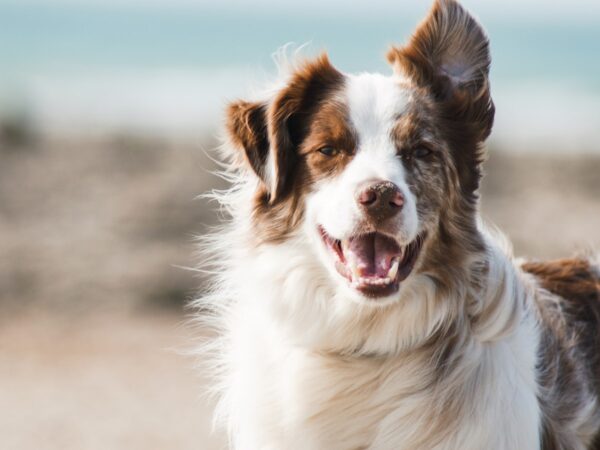
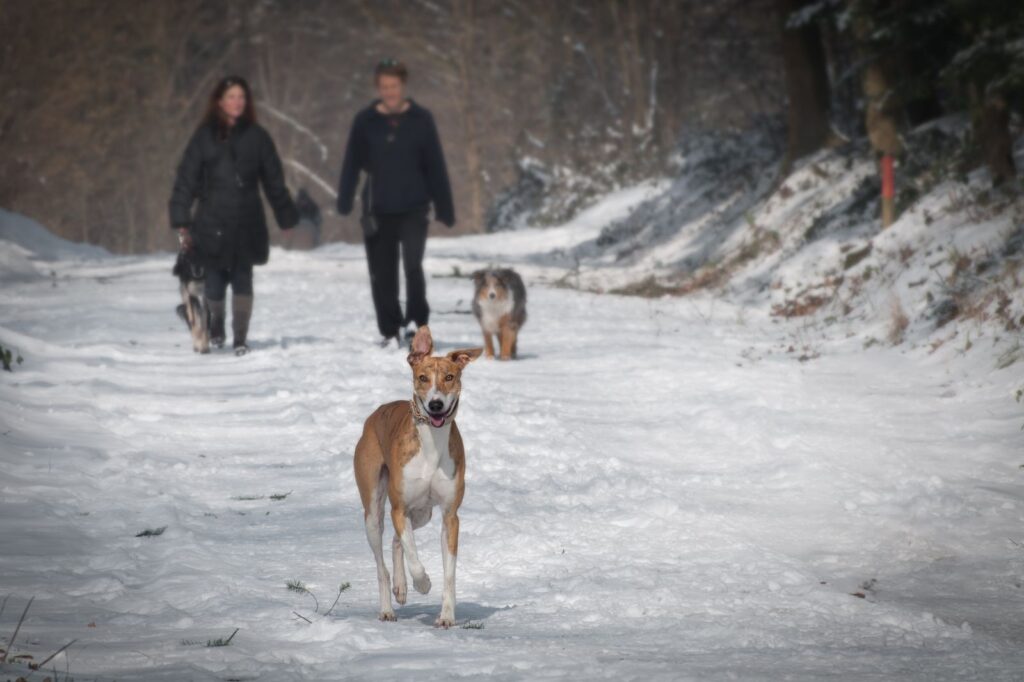
When the mercury drops, our daily routines shift – and so do our pets’. Those brisk morning walks get shorter, the dog spends more time curled up by the heater, and a few extra treats sneak into the day because, honestly, it’s cold and everyone’s feeling cosy. It’s easy to miss, but winter is one of the sneakiest seasons for dogs and cats to quietly pile on weight. By the time spring arrives, that extra padding can be surprisingly hard to shift.
Why winter is a weight trap for pets
Weight gain in winter usually comes down to a simple equation: pets are moving less and often eating the same amount, or a little more. Dark, chilly mornings mean walks get cut short. Cats that might normally patrol the backyard settle in indoors. And comfort feeding – an extra biscuit here, a lick of dinner scraps there – adds up faster than most owners realise.
It matters because carrying extra weight is one of the most common and preventable health problems in Australian pets, and vets say it’s on the rise. Some Australian research has put roughly 4 in 10 dogs and around a third of cats above their ideal weight. A very large overseas study of nearly five million dogs and more than a million cats found about half of dogs and 45% of cats were overweight. Excess weight isn’t just cosmetic – over time it’s linked to joint strain, diabetes, breathing trouble and a shorter, less comfortable life.
How to tell if your pet is carrying extra winter weight
You don’t need a set of scales to get a good read – vets use a simple hands-on check called body condition scoring. Most systems run from 1 to 9, and an ideal score sits around 4 to 5. Here’s a quick at-home version you can do while your pet relaxes by the heater:
- Feel the ribs. Run your hands along your pet’s side. You should be able to feel the ribs easily under a thin layer of fat – a bit like feeling the back of your hand. If you have to press hard to find them, that’s a sign of extra padding.
- Look from above. Standing over your pet, you want to see a gentle waist tucking in behind the ribs. A straight or bulging outline suggests weight gain.
- Check the tummy tuck. From the side, the belly should rise up towards the back legs rather than hang level or sag.
- Do it monthly. A quick check about once a month helps you catch small changes before they turn into a bigger problem.
Why simply feeding less often backfires
It’s tempting to just tip a bit less into the bowl, but University of Sydney researchers point out this alone often fails. Cut portions sharply and many pets bolt what they’re given, then spend the rest of the day begging – which makes owners feel guilty and give in. Sudden calorie restriction can also work against you in the early stages. The better approach is to help your pet feel satisfied on fewer calories, not just hungrier.
A practical winter plan to keep your pet trim
The good news is that a few small, sustainable changes make a real difference over a cold Aussie winter:
- Keep moving indoors. On rainy or freezing days, swap the walk for indoor games – a hallway fetch session, tug, hide-and-seek, or a food-puzzle toy that makes your dog or cat work for their dinner.
- Measure meals properly. Use the feeding guide on the back of the pack as a starting point and actually measure portions rather than eyeballing them. Your vet can help calculate the right daily amount for your individual pet.
- Rethink treats. If your pet is already carrying condition, ease off treats and swap high-calorie options like cheese or peanut butter for small pieces of their regular food or a little lean meat or veg. Remember to count treats as part of the daily total.
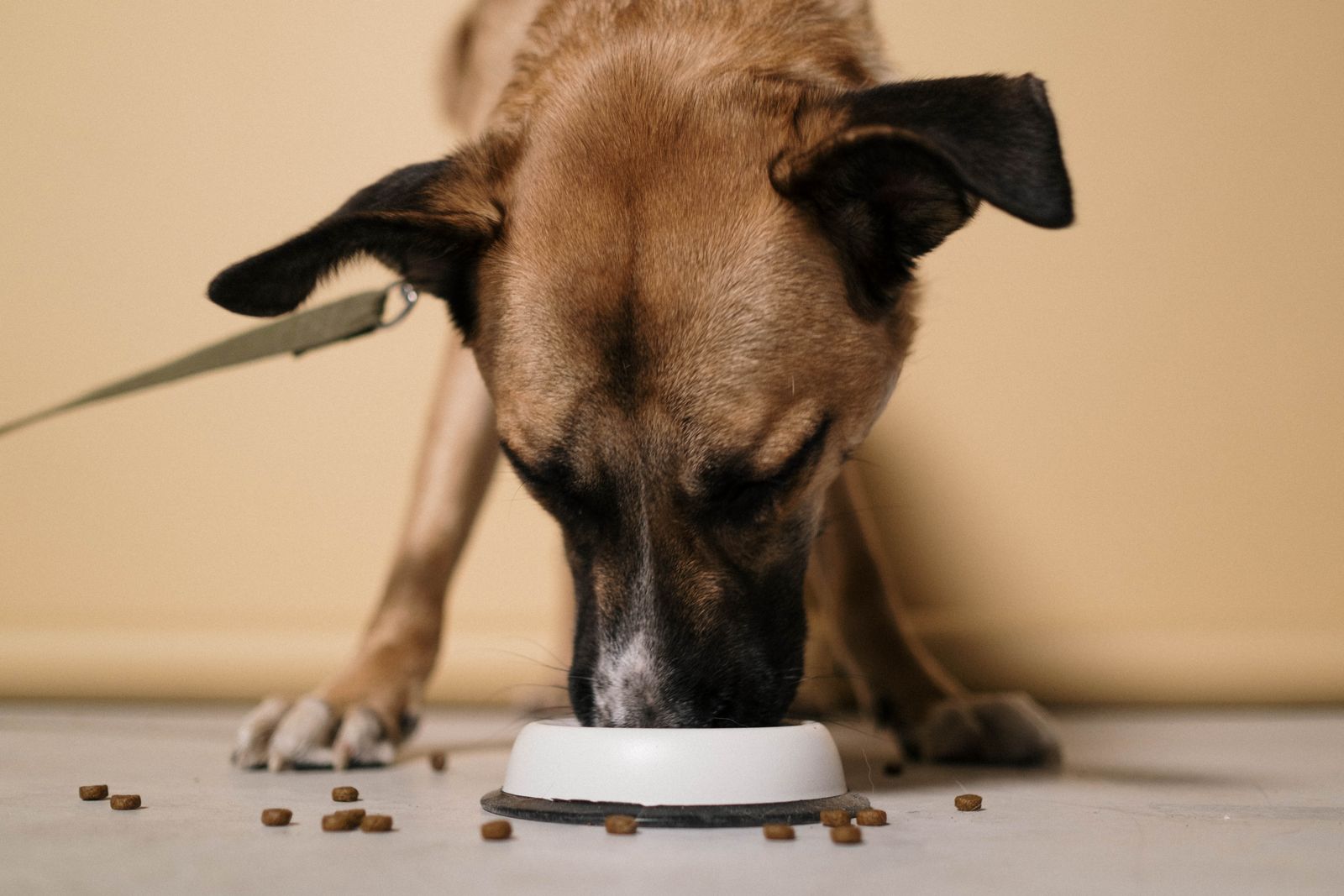
- Use enrichment, not extra food. Puzzle feeders, scatter feeding and slow bowls turn mealtime into a slower, more satisfying activity – great for indoor-bound pets who’d otherwise be bored and begging.
- Warm up before exercise. Older pets and those with stiff joints feel the cold too, so ease into activity and keep sessions gentle when it’s frosty.
When to check in with your vet
Not all winter weight change is about food and exercise. A sudden shift in weight, appetite or energy can point to an underlying health issue. If your pet is gaining despite your best efforts, is noticeably slowing down, or you’re simply not sure where to start, book a check-up. Consult a licensed veterinarian for diagnosis, a safe weight-loss plan or advice tailored specifically to your pet – especially before making big changes to diet or exercise.
Frequently asked questions
How much exercise does my dog need in winter?
Most dogs benefit from some activity every day, even in the cold. If outdoor walks are cut short by weather, top up with indoor play so they’re still moving. Ease off during frosty conditions for older or flat-faced dogs, and avoid vigorous exercise right before or after meals.
Do indoor cats gain more weight in winter?
They can. Cats that spend more time inside during the colder months tend to move less, and food-motivated cats are especially prone to gaining condition. Interactive play and puzzle feeders help keep indoor cats active and engaged.
Should I put my pet on a diet at home?
Small, sensible changes – measuring meals, cutting back on treats and adding activity – are a good start. But for a proper weight-loss program, especially if your pet has other health conditions, it’s best to work with your vet so the plan is safe and effective.
Key takeaways
- Winter’s shorter walks and comfort treats make it easy for pets to gain weight without you noticing.
- Do a monthly hands-on body condition check – you should feel the ribs easily and see a waist.
- Cutting food alone often backfires; focus on satisfying your pet on fewer calories with enrichment and measured meals.
- Keep pets moving indoors, measure portions, and swap high-calorie treats for healthier options.
- See your vet for a tailored, safe weight plan – especially if weight changes suddenly.