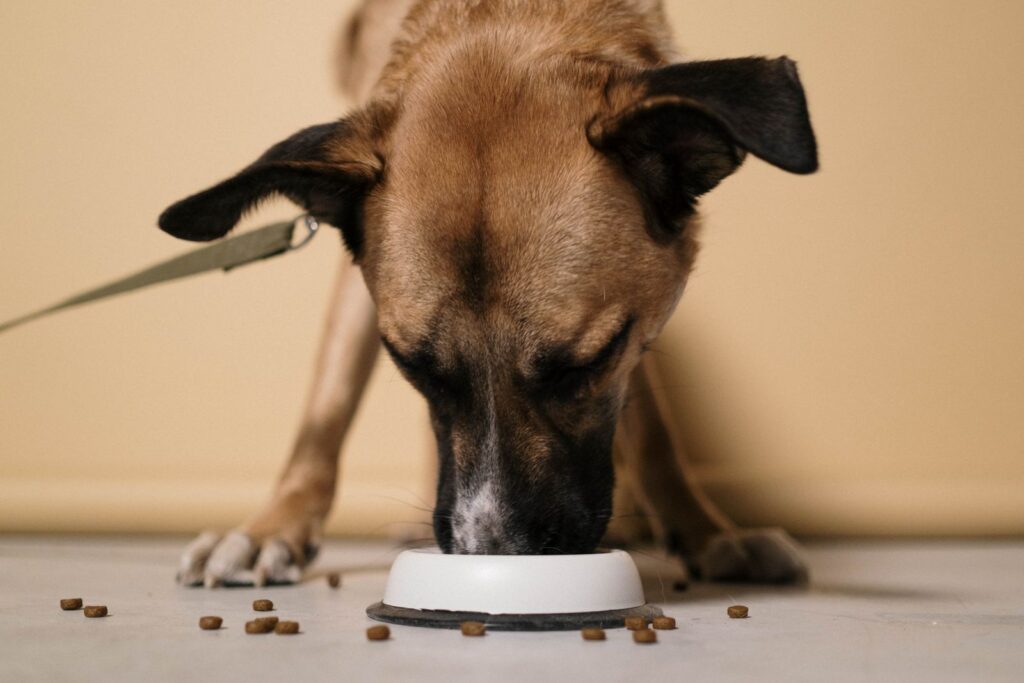
You pick up a bag at the supermarket, check the price and the picture of a happy dog on the front, and tip it into the bowl. Most of us assume a watchdog somewhere has signed off on what is inside. In Australia, that assumption is largely wrong. Pet food here is mainly self-regulated by the industry, and there is no government body with the power to force a recall when a product makes pets sick. The good news: a few simple habits at the shelf can stack the odds in your pet’s favour.
Australia’s pet food rules are mostly voluntary
Unlike food for people, commercial pet food in Australia is not governed by a dedicated, enforceable law. Manufacturers can choose to follow the Australian Standard for the manufacturing and marketing of pet food (AS 5812), but it is voluntary, not mandatory, and the document itself has historically sat behind a paywall costing more than $100 to read.
Recalls work the same way. According to the RSPCA and consumer group CHOICE, a pet food recall in Australia relies on the manufacturer choosing to act — no regulator can compel one. In practice, that means a product can stay on shelves even after reports of sick animals start to surface.
The case that exposed the gap
Concern peaked in 2018, when more than 100 dogs developed megaoesophagus — a serious condition where the food pipe loses the ability to move food to the stomach — in a cluster linked to a single therapeutic dog food, Advance Dermocare, made by Mars. The product was voluntarily recalled in March 2018, reportedly months after the manufacturer was first told about the sick dogs.
The fallout triggered a Senate inquiry, Regulatory approaches to ensure the safety of pet food, which reported in October 2018. It recommended an independent regulator, mandatory standards and clearer recall processes. Several years on, those reforms have still not been legislated.
Where reform stands in 2026
The push has not gone away. The RSPCA, the Australian Veterinary Association (AVA) and the Pet Food Industry Association of Australia (PFIAA) — welfare, vets and industry, united on the same side — continue to call on the federal government to introduce mandatory, enforceable standards and a proper recall system. Until that happens, the responsibility for spotting a dodgy product still falls largely on owners and their vets.
How to choose safer pet food
You can’t audit a factory from the pet aisle, but you can make smarter choices. These steps are about reducing risk, not guaranteeing perfection:
- Look for an AAFCO or FEDIAF statement. A line saying the food is “complete and balanced” to one of these recognised nutrient profiles suggests the maker is benchmarking against an established standard.
- Favour brands that name a qualified nutritionist or vet. Companies that employ a veterinary nutritionist and run feeding trials tend to be more transparent about how their food is formulated and tested.
- Check for a batch or lot number and a clear use-by date. Traceability matters if a recall is ever announced — you want to know whether your bag is affected.
- Be cautious with raw and home-prepared diets. Raw meat can carry bacteria such as Salmonella and, overseas, has been linked to other pathogens. If you feed raw, talk to your vet about balance and hygiene first.
- Sign up for recall alerts. The PFIAA and the ACCC’s Product Safety Australia website publish recall notices — a two-minute subscription means you hear about issues early.
- Store food properly. Seal bags, keep them cool and dry, and don’t feed past the use-by date. Spoiled food is a problem no regulator can fix for you.
Spot trouble early
If a food is causing harm, your pet will usually show it before any official notice appears. See a vet promptly if your dog or cat develops:
- Repeated vomiting or regurgitation, especially soon after eating
- Sudden loss of appetite, lethargy or unusual weight loss
- Ongoing diarrhoea or signs of tummy pain
- Excessive drooling, coughing or difficulty swallowing
Keep the packaging and note the batch number if you suspect a food — it helps your vet and supports any later investigation. As always, this is general information only; consult a licensed veterinarian for diagnosis or treatment specific to your pet.
Frequently asked questions
Is pet food regulated in Australia? Only loosely. There is a voluntary Australian Standard (AS 5812), but no dedicated, enforceable law and no regulator able to mandate a recall. The industry largely self-regulates.
Can a pet food be recalled in Australia? Yes, but recalls are voluntary and depend on the manufacturer choosing to act. There is no government power to force one, which is part of what welfare and vet groups want changed.
Is raw pet food safe? Raw diets can carry bacteria and need careful handling and balancing. Many vets advise caution. If you’re considering raw feeding, read our guide on whether cats can eat raw chicken and speak with your vet first.
What should I do if I think a food made my pet sick? Stop feeding it, keep the packaging and batch number, see your vet, and report it to the manufacturer and Product Safety Australia.
Key takeaways
- Australian pet food is mainly self-regulated; the AS 5812 standard is voluntary.
- No regulator can force a recall — manufacturers act voluntarily.
- The 2018 Advance Dermocare case and Senate inquiry exposed the gap; reform is still pending in 2026.
- Choose brands that meet recognised nutrient profiles, are traceable and transparent, and watch your pet for early warning signs.
Smart, healthy feeding goes hand in hand with the rest of your pet’s routine — for more, see our guides on avoiding winter weight gain and whether pet insurance is worth it in Australia.