The first proper cold snap of an Aussie winter always sparks the same question at the dog park: does my dog actually need a coat, or am I just dressing him up? It’s a fair question. Walk through any pet store in Melbourne or Canberra right now and you’ll see racks of fleece jumpers and waterproof jackets — but plenty of dogs are perfectly happy without one. The honest answer is that some dogs genuinely need the extra warmth, and others are better off without it. Here’s how to tell which one you’ve got.
Which dogs really feel the cold
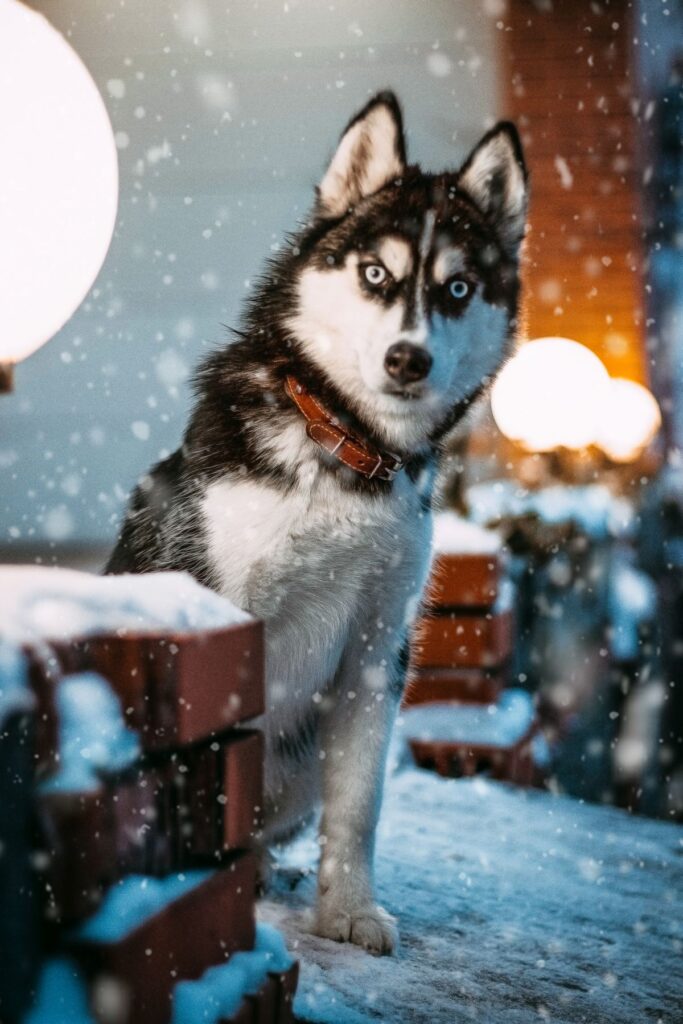
Not all dogs handle winter the same way. A Siberian Husky or Malamute was bred for snow and carries a thick double coat — pop a jacket on one of those and you risk overheating it. The dogs that struggle in the cold tend to fall into a few groups:
- Small and toy breeds — Chihuahuas, Italian Greyhounds and Toy Poodles lose body heat fast because of their size-to-surface-area ratio.
- Short-haired or single-coated breeds — Greyhounds, Whippets, Staffies and many of the popular oodle crosses have little insulation.
- Puppies and senior dogs — both regulate their body temperature less efficiently than healthy adults.
- Dogs that are unwell or underweight — illness, arthritis and low body fat all make the cold harder to cope with.

Where you live matters too. Most of Australia doesn’t get snow, but frosty mornings across Victoria, Tasmania, the ACT, southern New South Wales and the alpine regions can drop below 5°C — and that’s when a thin-coated dog on an early walk will start to shiver.
The signs your dog is actually cold
Dogs can’t tell you they’re cold, but they show you. Watch for shivering, a hunched or tucked posture, lifting paws off frosty ground, reluctance to keep walking, whining, or trying to curl up and burrow. If you see these on a cold morning, your dog is telling you it needs help warming up. Persistent shivering and lethargy in very cold conditions can point to the early stages of hypothermia, which is a genuine emergency — if your dog seems weak, disoriented or unusually quiet after cold exposure, contact your vet straight away.
Choosing a coat that actually works
If your dog fits the “feels the cold” profile, a well-fitted coat can make winter walks far more comfortable. A few things make the difference between a useful jacket and an expensive accessory:
- Fit first. Measure from the base of the neck to the base of the tail. The coat should cover the back and chest without restricting the legs, neck or the dog’s ability to toilet.
- Match the weather. A breathable fleece is plenty for a dry, frosty morning; a waterproof outer layer earns its keep in rain and wind, which strip body heat much faster than cold air alone.
- Keep it dry. A damp coat does the opposite of its job. Have a spare so one can dry out between walks.
- Watch for rubbing. Check under the legs and around the neck for chafing, and take the coat off indoors so your dog doesn’t overheat.
When a coat does more harm than good
For thick-coated, active and cold-tolerant breeds, a jacket can cause overheating and matting rather than comfort. A coat also isn’t a substitute for common sense: it doesn’t make it safe to leave any dog outside for long stretches in genuinely cold or wet conditions. The warmest, safest place for most dogs on a cold night is indoors with the family. If your dog sleeps outside, make sure the kennel is dry, raised off the ground, draught-free and fitted with warm bedding that’s changed when it gets damp.
Coats are one part of winter care, not the whole picture. Keep up regular exercise on milder parts of the day, towel your dog dry after wet walks, and pay extra attention to older dogs, whose joints often stiffen in the cold. As always, this is general guidance — if your dog has a health condition, is very young or old, or you’re unsure how it’s coping with winter, your vet can give advice tailored to your individual pet.
Frequently asked questions
At what temperature should I put a coat on my dog?
There’s no single magic number, but many small, short-haired and senior dogs start to feel uncomfortable below about 7°C, and especially in wind or rain. The dog’s behaviour — shivering, reluctance to walk, tucking up — is a more reliable guide than the thermometer alone.
Do indoor dogs need coats?
Inside a heated home, most dogs are perfectly comfortable without one. A coat is mainly for outdoor walks and time spent in the cold. A thin-coated dog might appreciate a light jumper on a chilly evening, but it shouldn’t be needed in a warm room.
Can a coat make my dog too hot?
Yes. Leaving a coat on a thick-coated or active dog, or keeping any coat on indoors, can cause overheating. Use coats for cold outdoor conditions and remove them once your dog is back inside or warmed up.
Key takeaways
- Small, short-haired, very young, senior and unwell dogs are the ones most likely to need a winter coat.
- Thick double-coated breeds like Huskies usually don’t — and can overheat in one.
- Let your dog’s behaviour, not just the temperature, guide you: shivering, hunching and lifted paws are clear signals.
- Choose a well-fitted, dry, weather-appropriate coat and remove it indoors.
- A coat supports good winter care but never replaces a warm, dry place to live — see your vet if your dog struggles with the cold.