

Finding a rental is hard enough. Add a dog or cat and it can feel like every “no pets” listing is shutting the door on your family. The good news is that tenancy laws in most of the country have shifted in renters’ favour, and a well-prepared request can turn a hesitant landlord into a willing one. This guide explains where the law stands in each state and territory, what a landlord can and cannot refuse, and how to put together a pet application that is hard to say no to.
Your rights are improving, but they depend on your state
Tenancy law is set state by state, so your exact rights depend on where you live. The general direction is clear, though. In most jurisdictions, blanket “no pets” clauses no longer decide the matter. You ask for consent, usually on an official form, and the landlord must respond within a set time and can only refuse on specific, reasonable grounds. In several places, silence counts as a yes.
Here is a summary of the main rules. Laws change, so always confirm the current details with your state’s tenancy authority before you rely on them.
| State or territory | Landlord’s response time | If they do not respond | Pet bond or extra rent? |
|---|---|---|---|
| NSW (from 19 May 2025) | 21 days | Pet is approved without conditions | No extra bond or rent as a condition of approval |
| Victoria (from 2 March 2020) | 14 days to apply to VCAT if they want to refuse | Consent is taken to be given | Check with Consumer Affairs Victoria |
| Queensland (from 1 October 2022) | 14 days | Request is approved | No extra rent or bond for a pet |
| ACT | 14 days to apply to ACAT if they want to refuse or set conditions | Consent is taken to be given | Check with ACT tenancy services |
| Western Australia (from 29 July 2024) | 14 days, and an application to the Commissioner for Consumer Protection to refuse on some grounds | Request is approved without conditions | A separate pet bond of up to $350 is allowed |
| South Australia (from 1 July 2024) | Must respond, and can refuse only on listed grounds | Check with Consumer and Business Services | No separate pet bond |
| Tasmania (from 20 March 2026) | 14 days to approve, set conditions or apply to TASCAT to refuse | Request is approved | No pet bond |
| Northern Territory | Rules differ. Check NT Consumer Affairs before applying. | ||
New South Wales
Since 19 May 2025, NSW tenants can apply to keep a pet using the official pet application form, signed by all co-tenants. The landlord has 21 days to respond in writing. According to NSW Fair Trading, if they do not respond in time, the pet is automatically approved without conditions. Landlords cannot ask you to increase the bond or rent as a condition of allowing a pet. If you disagree with a refusal or with the conditions, you can apply to the NSW Civil and Administrative Tribunal (NCAT), generally within 28 days of the landlord’s response.
Victoria
Victorian renters have had the right to request a pet since 2 March 2020. You use the Consumer Affairs Victoria pet request form. A rental provider who wants to say no must apply to the Victorian Civil and Administrative Tribunal (VCAT) within 14 days. If they do not, their consent is taken to be given.
Queensland
Since 1 October 2022, Queensland renters use the approved RTA pet request form, and the landlord or agent must respond in writing within 14 days. The Residential Tenancies Authority explains that a request not answered in time is treated as approved, refusals must rely on the reasonable grounds set out in the law, and a landlord cannot require extra rent or bond for a pet.
Western Australia
Since 29 July 2024, WA landlords have 14 days to respond to a pet request. To refuse on certain grounds or impose conditions, they must also apply to the Commissioner for Consumer Protection within that time, or the request is approved without conditions. WA is the one state that still allows a separate pet bond. Under the latest WA rent reforms, the maximum pet bond is now $350, and it can be used for pet damage rather than only fumigation.
South Australia, the ACT and Tasmania
In South Australia, rules that started on 1 July 2024 mean a landlord can only refuse a pet on grounds listed in the Residential Tenancies Act and cannot charge a separate pet bond. In the ACT, a landlord who wants to refuse or set conditions must apply to the ACT Civil and Administrative Tribunal within 14 days, or consent is taken to be given. Tasmania’s Residential Tenancy Amendment (Pets) Act 2025 started on 20 March 2026, ending blanket “no pets” rules there. Landlords have 14 days to approve, set reasonable conditions or seek a refusal from the Tasmanian Civil and Administrative Tribunal.
What a landlord can and cannot refuse
These reforms do not make a pet automatic. The exact list varies by state, but in NSW, for example, a landlord can refuse only if:
- You would have an unreasonable number of animals (more than four in total in NSW)
- The fencing or open space is not suitable for the animal
- The animal cannot be kept humanely at the property
- The pet is highly likely to cause damage that would cost more than the bond to fix
- The landlord lives in the same home
- Keeping the pet would break another law, council rule or strata by-law
- You refuse to agree to reasonable conditions
Other states use similar grounds, sometimes adding unacceptable risk to someone’s health and safety, nuisance to neighbours, or undue hardship to the landlord.
Conditions you may be asked to accept
Landlords can usually attach reasonable conditions to approval. Common examples include keeping an animal outdoors if it is not a type normally kept inside, professionally cleaning carpets at the end of the lease, or fumigating at the end of the tenancy if an indoor mammal lived there. You remain responsible for any damage your pet causes, which is not treated as fair wear and tear.
Strata, apartments and assistance animals
If you rent an apartment or townhouse, strata or body corporate by-laws can apply on top of tenancy law, so read the scheme’s by-laws before you apply. Assistance animals, such as guide and hearing dogs, are treated differently in every state and generally do not need the landlord’s consent.
Build a pet resume that gets a yes
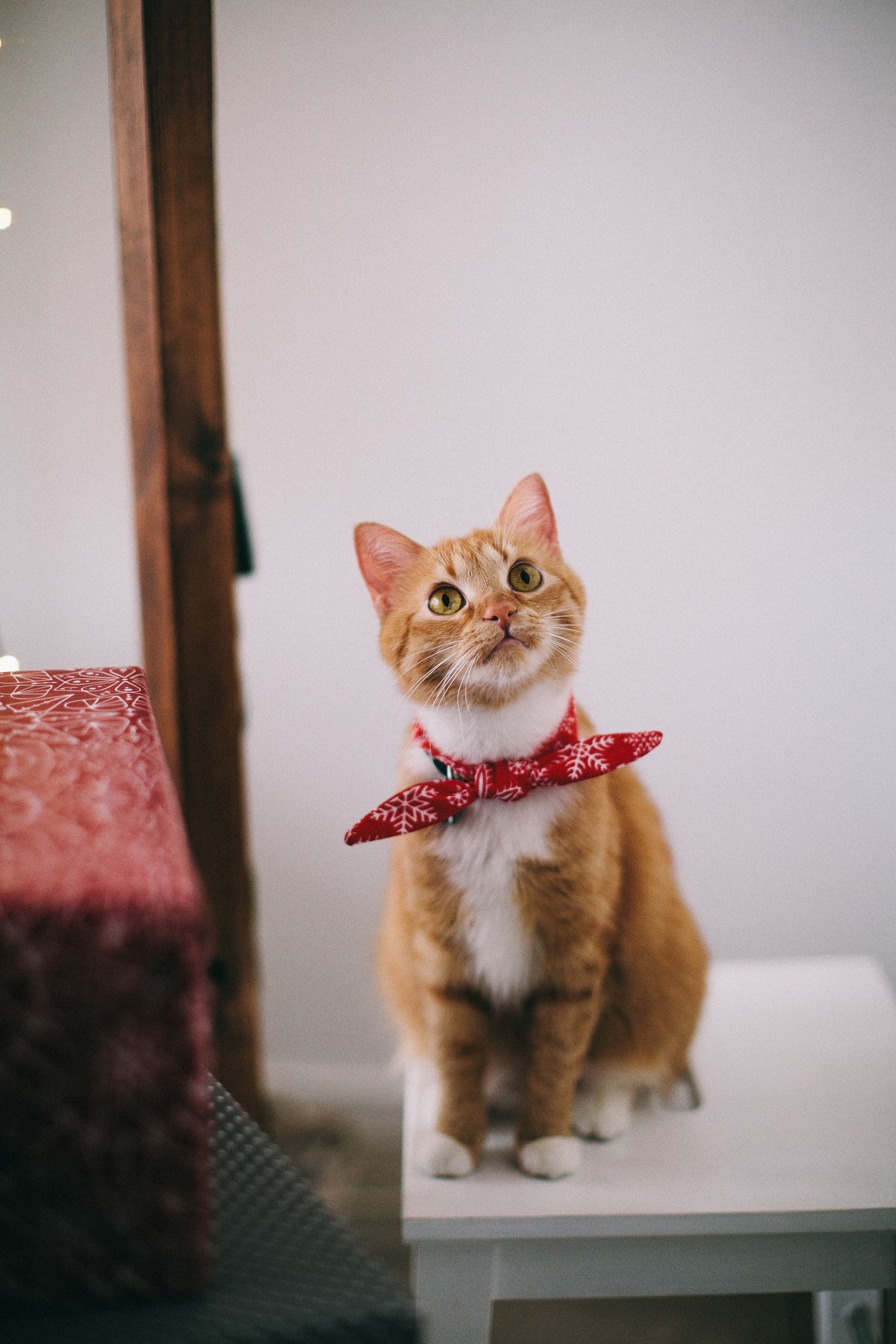
A one-page pet resume is one of the simplest ways to stand out. It shows the agent you are a responsible owner and takes the guesswork out of their decision. Keep it clear and honest, and include:
- A photo and the basics: your pet’s name, species or breed, age, size or weight and desexing status.
- ID and registration: microchip number and council registration. Our guide to microchip laws explains what is required where you live.
- Proof of care: vaccination records and up-to-date flea, tick and worming treatment, plus a short note from your vet if you can get one. Our vaccination schedule guide can help you get records in order.
- References: a note from a previous landlord, property manager or neighbour confirming there were no complaints or damage.
- Temperament and training: house-trained, settled when left alone, good with people, any training classes completed.
- Your plan: practical steps such as scratching posts, regular nail trims, a dog walker on work days, or keeping your cat contained.
Set yourself up for an easy yes
- Ask early and in writing, using your state’s official pet request form where there is one. Keep a copy and note the date you sent it, since deadlines run from when the landlord receives it.
- Be upfront. A pet discovered later sours the relationship far faster than one declared honestly, and can put your tenancy at risk.
- Offer reassurance in writing, such as professional carpet cleaning and flea treatment at the end of the lease where that is reasonable for your pet.
- Offer a quick “meet the pet”. A calm, well-groomed animal often speaks for itself.
- Keep parasite prevention current. Fleas can breed indoors year-round, especially in heated homes, and an infestation is one of the most common sources of end-of-lease disputes.
- Know the containment rules. If you have a cat, check local curfews and containment laws, which can affect what a landlord will expect. Our guide to cat containment laws in 2026 has the details.
Struggling to find a place?
If you have been knocked back more than once, you are not alone, and there are ways to improve your odds without giving up your pet:
- Filter listings for pet-friendly properties, but do not rule out places that do not mention pets. Ask the agent, because in most states a request has to be considered on its merits.
- Widen your search area a little further than you planned.
- Talk to the agent early so your pet is part of the conversation rather than a surprise.
- Contact animal welfare groups. The RSPCA and similar organisations in some areas offer subsidised desexing, pet food help, and temporary boarding for people escaping family violence or facing homelessness.
- If you are at breaking point, ask a shelter about alternatives before surrendering. Waitlists are often long, but staff can point you to support you did not know existed.
While you are planning the move, it is also worth reviewing your wider pet budget, including whether pet insurance is worth it for your situation.
Frequently asked questions
Can a landlord say no to pets in Australia?
In most states and territories, only on specific grounds set out in law, and only within a set time. In NSW, Victoria, Queensland, Western Australia, the ACT and Tasmania, a landlord who does not respond or apply to the tribunal or Commissioner in time is generally taken to have agreed. Rules differ, so check your local tenancy authority.
Can I be charged an extra bond or “pet rent”?
Not in NSW, Queensland, South Australia or Tasmania. Western Australia is the exception, allowing a separate pet bond of up to $350. Wherever you are, you are responsible for any damage your pet causes.
What should a pet resume include?
A clear photo; your pet’s name, breed, age and desexing status; microchip and council registration numbers; vaccination and parasite-prevention records; references from a previous landlord or your vet; and a short note on temperament, training and how you will care for the property.
Do these rules apply to apartments and strata?
Tenancy laws still apply, but strata or body corporate by-laws can add their own rules. In NSW, for example, a pet that breaks a strata by-law is a valid reason for refusal. Check the scheme’s by-laws before you apply.
What if my landlord refuses and I think it is unfair?
You can usually challenge a refusal or unreasonable conditions through your state’s tribunal, such as NCAT in NSW or SACAT in South Australia. In some states, such as Victoria, the ACT and Tasmania, it is the landlord who must go to the tribunal to refuse. Contact your local tenants’ advice service for free help.
Key takeaways
- Pet laws vary by state, but most of Australia now limits when a landlord can refuse a pet.
- Response deadlines matter. Silence after 14 or 21 days, depending on the state, often counts as approval.
- NSW, Queensland, South Australia and Tasmania do not allow extra bond or rent for pets. WA allows a pet bond of up to $350.
- Landlords can still refuse on set grounds, such as unsuitable fencing or strata by-laws, and can attach reasonable conditions.
- A complete pet resume with records, references and a care plan is your strongest tool.
- Apply early, in writing, on the official form, and check any strata by-laws first.
This article is general information, not legal advice. Tenancy laws change and differ between states and territories. Check with your local tenancy authority or a tenants’ advice service before acting.