If your cat seems to be making more trips to the litter tray than usual this winter, you’re not imagining it. Vets across Australia tend to see a spike in feline bladder problems once the temperature drops — and for some cats, especially males, it can turn into a genuine emergency. The good news is that a few small changes at home make a real difference.
Why winter is hard on your cat’s bladder
The most common bladder issue in cats is feline lower urinary tract disease (FLUTD), and the leading cause is feline idiopathic cystitis (FIC) — a painful inflammation of the bladder where no single cause can be pinned down. Studies suggest FIC accounts for well over half of cats that turn up with urinary signs. Winter doesn’t cause it, but it stacks the deck against your cat in a few ways:
- Cats drink less when it’s cold, so urine becomes more concentrated and harder on the bladder lining.
- Less activity and more time curled up indoors can mean fewer trips to the tray.
- Heaters, closed-up homes, visitors and changes to the daily routine all add stress — and in cats, the bladder is the organ that often shows stress first.
- Cats that are indoors-only, overweight or living in busy multi-cat homes already sit in the higher-risk group.
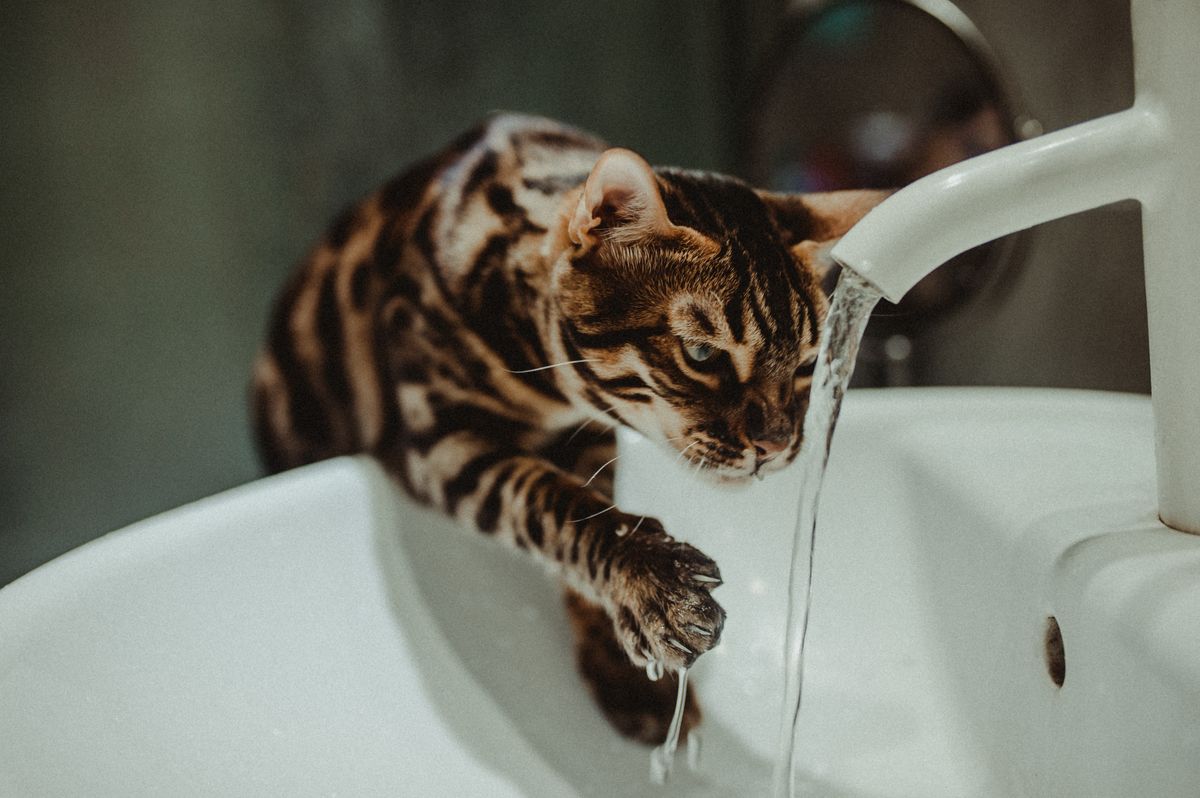
Hydration is the thread running through all of this. A well-hydrated cat produces more dilute urine and tends to use the tray more often, which gives the bladder less time to get irritated.
Warning signs to watch for
Cats are quietly stoic, so the early signs are easy to miss. Keep an eye out for:
- Straining in the tray or spending longer than usual with little to show for it
- More frequent visits, sometimes only producing a few drops
- Blood-tinged urine
- Weeing outside the tray — on the bed, the bath or the carpet
- Over-grooming or licking around the back end
- Crying out or seeming uncomfortable while toileting
When it becomes an emergency
This is the part every cat owner needs to know. If your cat is straining repeatedly and passing little or no urine at all, treat it as an emergency and contact a vet straight away. A blocked urethra stops the body clearing waste and can become life-threatening within hours. Male cats are far more likely to block — one study found around 80% of cases were male — because their urethra is longer and narrower. Don’t wait to see if it settles overnight.
How to protect your cat this winter
Most of the prevention happens at home, and it’s genuinely simple stuff. Focus on hydration, a calm environment and easy litter access.
- Boost water intake: offer several water bowls around the house, keep them away from the food, refresh daily, and consider a pet water fountain — many cats prefer moving water.
- Add some wet food: switching part of the diet to wet food, or adding a splash of water to meals, lifts daily fluid intake without much effort.
- Keep litter trays inviting: the rule of thumb is one tray per cat plus one extra, kept clean, in quiet spots, with a low-dust unscented litter.
- Lower the stress: keep routines steady, give your cat warm hiding spots and high perches, and try a pheromone diffuser if your home gets busy in the cooler months.
- Keep them moving: short daily play sessions help with activity and weight — both linked to bladder health. Our notes on winter weight gain in pets and keeping an indoor cat happy pair well with this.
These steps can support a healthier bladder, but they aren’t a substitute for veterinary care. If your cat has ongoing or worsening signs, book a check-up — consult a licensed veterinarian for diagnosis or treatment specific to your pet.
Frequently asked questions
Can cats really get more bladder problems in winter? Many vets report more cases in the cooler months, largely because cats drink less and move around less, which concentrates the urine and reduces tray visits.
Is a cat straining to wee an emergency? If little or no urine comes out, yes — especially in male cats. Contact a vet immediately, as a blockage can become life-threatening within hours.
Does wet food help prevent cat cystitis? It can help by increasing water intake and producing more dilute urine. It’s one useful tool alongside stress reduction and good litter habits, not a cure on its own.
My indoor cat seems fine — do I still need to worry? Indoor-only cats are actually in the higher-risk group, so the same hydration and low-stress habits still matter.
Key takeaways
- Bladder problems in cats often rise in winter due to less drinking, less movement and more stress.
- Feline idiopathic cystitis is the most common culprit and is strongly linked to stress and dehydration.
- A cat straining with little or no urine — particularly a male — is an emergency; ring a vet straight away.
- Encourage water, add wet food, keep trays clean and accessible, and reduce household stress.
- When in doubt, get your cat checked — early care is easier and safer than waiting.