Few illnesses worry dog owners as much as canine parvovirus. This highly contagious virus spreads quickly, hits young puppies hardest, and can become serious without prompt care. The encouraging news is that parvovirus is largely preventable, and dogs that receive early veterinary treatment have a much stronger chance of recovery. This guide explains what the virus is, how it spreads, the signs to watch for, and the steps that can help keep your dog protected.
What Is Canine Parvovirus?
Canine parvovirus, often shortened to “parvo,” is a contagious viral infection that mainly affects a dog’s digestive system. The virus attacks rapidly dividing cells, particularly in the lining of the intestines, which is why it commonly causes severe stomach and bowel symptoms. In very young puppies it can also affect the heart muscle, although the MSD Veterinary Manual notes this is now uncommon. Because the virus is hardy and, according to the RSPCA Knowledgebase, can survive for more than a year in the environment, it spreads easily between unvaccinated dogs.
How Parvovirus Spreads
Parvovirus is usually passed on through contact with the faeces of an infected dog. A dog does not need direct contact with another animal to be exposed, because the virus can linger on surfaces such as grass, soil, food bowls, bedding, shoes, and hands. This is why busy public spaces, shelters, and breeding environments can carry a higher risk for dogs that are not fully vaccinated. Practising good hygiene and limiting a young puppy’s exposure until its vaccinations are complete can help reduce the chance of infection.
Common Symptoms to Watch For
Symptoms usually appear within about a week of exposure (typically 4 to 10 days) and may progress quickly. Signs that are commonly associated with parvovirus include:
- Lethargy or unusual tiredness
- Loss of appetite
- Vomiting that may be repeated or persistent
- Diarrhoea, which can sometimes contain blood
- Fever or, in some cases, a lower-than-normal temperature
- Dehydration and noticeable weakness
These symptoms can also point to other health problems, so they are not proof of parvovirus on their own. If your dog shows any of these signs, especially repeated vomiting or bloody diarrhoea, contact a licensed veterinarian promptly. Early assessment gives your dog the best chance of a good outcome.
Which Dogs Are Most at Risk
Puppies between roughly six weeks and six months of age are generally considered the most vulnerable, particularly before they have finished their vaccination course. Dogs that are unvaccinated or only partly vaccinated also face a higher risk. Because young puppies have developing immune systems, many owners take extra care to limit their exposure to unknown dogs and public areas until a veterinarian confirms their vaccinations are up to date.
Diagnosis and Veterinary Treatment
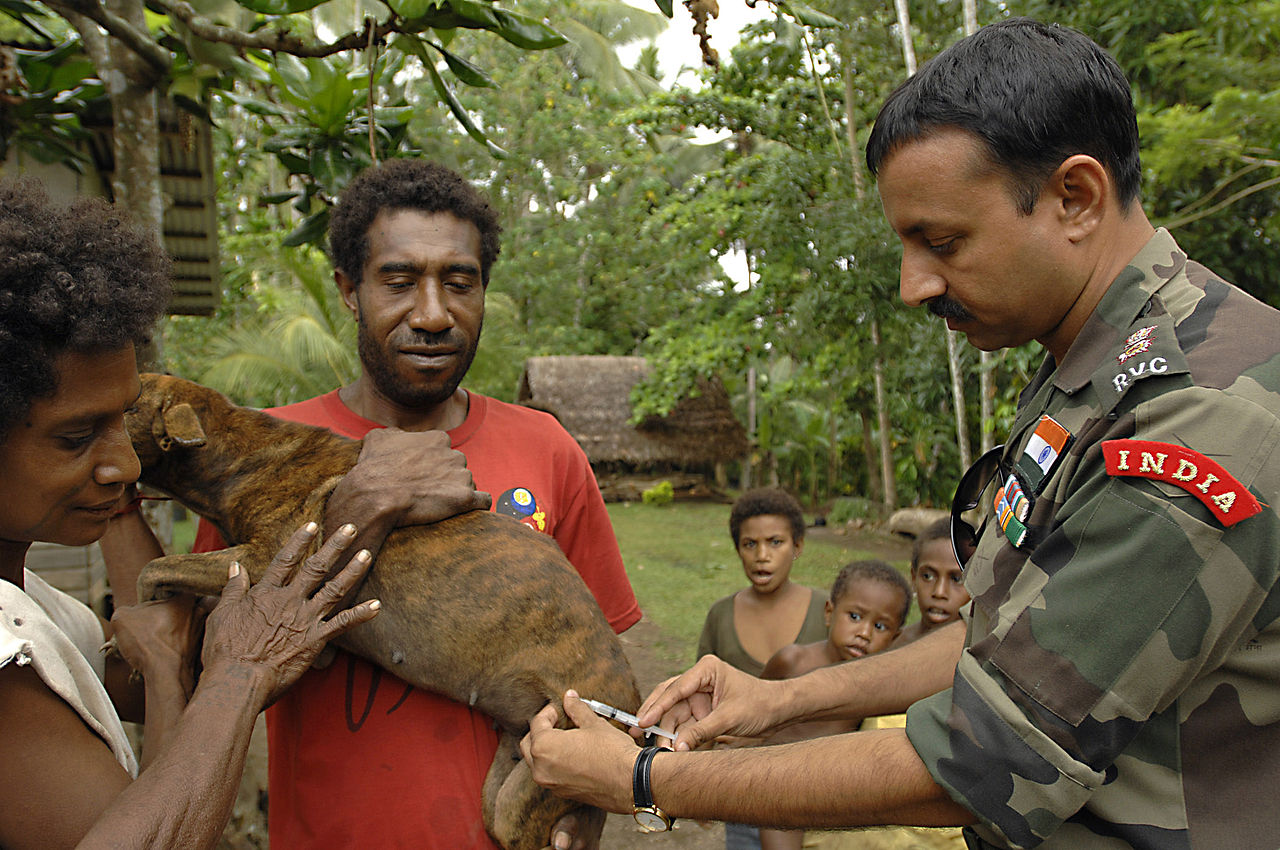
A veterinarian typically diagnoses parvovirus using a combination of the dog’s symptoms, history, and a faecal test, sometimes alongside blood work. There is no medication that destroys the virus directly, so treatment focuses on supporting the dog’s body while its immune system fights the infection. This commonly involves managing dehydration with fluids, controlling vomiting and diarrhoea, and preventing secondary infections. Many cases are treated with hospital care and close monitoring, and with this kind of intensive supportive care most dogs survive. Consult a licensed veterinarian for diagnosis or treatment specific to your pet, as each dog’s needs can differ.
Prevention: Vaccination and Hygiene
Vaccination is widely regarded as the most effective way to lower the risk of parvovirus. Parvovirus is covered by the core C3 vaccine. The RSPCA explains that puppies usually start vaccinations at 6 to 8 weeks of age, with boosters every 2 to 4 weeks until at least 16 weeks, followed by ongoing boosters recommended by a veterinarian. Alongside vaccination, simple everyday habits can support prevention:
- Follow the vaccination schedule recommended by your veterinarian
- Keep young or unvaccinated puppies away from high-traffic dog areas until advised otherwise
- Clean food bowls, bedding, and shared surfaces regularly
- Wash your hands after handling unfamiliar dogs or their waste
- Pick up and dispose of dog faeces promptly to limit environmental spread
Caring for a Recovering Dog
Dogs that recover from parvovirus often need a gentle return to normal life. A veterinarian may suggest a bland, easily digestible diet, plenty of rest, and steps to keep the dog comfortable and hydrated. Because a recovering dog may still shed the virus for a period of time (around 10 days after recovery, according to the MSD Veterinary Manual), owners are usually advised to keep them away from other dogs and to clean their environment thoroughly. Always follow your veterinarian’s specific aftercare guidance rather than general advice, since recovery can vary from one dog to another.
When to Contact a Veterinarian
Parvovirus can progress quickly, so timing matters. Reach out to a veterinarian if your dog shows repeated vomiting, diarrhoea, marked tiredness, or refuses food and water, particularly if the dog is a young or unvaccinated puppy. Acting early gives veterinary teams more options to support your dog. This article is intended as general information and is not a substitute for professional veterinary advice.
Final Thoughts
Canine parvovirus is a serious illness, but it is also one that responsible care can help guard against. Staying on top of vaccinations, keeping young puppies in safer environments, and maintaining good hygiene all contribute to lowering the risk. By recognising the warning signs early and working closely with a licensed veterinarian, many owners are able to give their dogs the best possible chance of staying healthy.