
Winter is peak season for that unmistakable honking cough echoing through Aussie dog parks. Every year, vets across the country report a wave of canine cough cases as the weather cools and dogs spend more time mingling at daycare, boarding kennels and obedience classes. If your dog has suddenly developed a dry, hacking cough, here is what it likely means and what you can do about it.
What Is Kennel Cough?
Kennel cough, also called canine cough or canine infectious respiratory disease, is a highly contagious infection of the upper airways. It is not caused by a single bug. Instead, several viruses and bacteria can trigger it, with the bacterium Bordetella bronchiseptica and the canine parainfluenza virus among the most common culprits. Because it spreads so easily between dogs, it tends to move through social settings in clusters, much like a cold races through a childcare centre.
The name is a little misleading. Your dog does not need to set foot in a boarding kennel to catch it. Any place where dogs gather and share air or surfaces, from the local off-leash park to the groomer, can be a transmission point.
How It Spreads
Kennel cough travels through the air in tiny droplets when an infected dog coughs or sneezes, and it can also linger on shared surfaces such as water bowls, toys and fencing. After exposure, there is usually an incubation period of around three to ten days before symptoms appear, which means a dog can look perfectly healthy while already spreading the infection.
Common hotspots include:
- Boarding kennels and doggy daycare
- Off-leash dog parks and beaches
- Grooming salons and vet waiting rooms
- Puppy school and obedience classes
Signs to Watch For
The hallmark sign is a persistent, dry cough that many owners describe as a goose-like honk. It often sounds dramatic, as though something is stuck in your dog’s throat, and may finish with a gag or a small amount of foamy phlegm. Coughing fits are frequently triggered by excitement, exercise or pressure from a collar.
Other signs can include:
- Sneezing or snorting
- Mild eye or nasal discharge
- Lower energy than usual
- A reduced appetite in some dogs
Most otherwise healthy dogs stay bright and keep eating despite the cough. Puppies, senior dogs and those with existing health conditions can be hit harder, so they warrant closer attention.
Treatment and Home Care
In many mild cases, kennel cough is self-limiting and clears on its own within about one to three weeks, with care focused on keeping your dog comfortable while their immune system does the work. Your vet may recommend cough suppressants or anti-inflammatories to ease symptoms, and antibiotics are generally reserved for cases involving a secondary bacterial infection. At home, rest, fresh water and avoiding airway irritants like smoke all help.
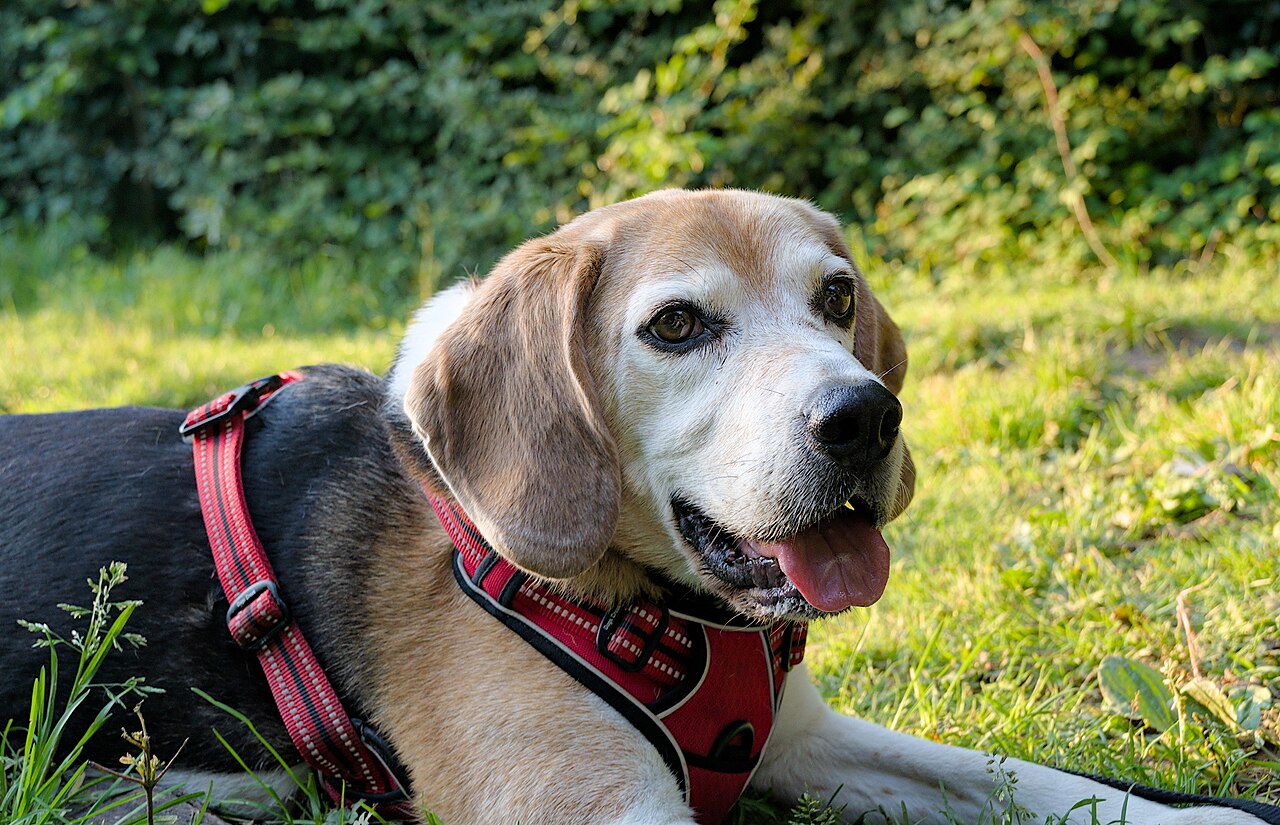
- Swap a collar for a harness to reduce throat pressure during walks
- Keep activity gentle until the cough settles
- Isolate your dog from other dogs while they are infectious, which can be up to three weeks
When to Call the Vet
Book a check-up if the cough lasts beyond a week, worsens, or comes with difficulty breathing, a high temperature, thick nasal discharge, lethargy or loss of appetite. These can signal a more serious infection such as pneumonia. Puppies, senior dogs and dogs with heart or lung conditions should be seen sooner. Consult a licensed veterinarian for diagnosis or treatment specific to your pet.
Prevention: Vaccination and Good Habits
Vaccination is the most effective way to lower your dog’s risk. The kennel cough vaccine, available as an intranasal, oral or injectable form depending on your vet’s advice, protects against Bordetella and parainfluenza. It does not guarantee total immunity because so many organisms can cause the disease, but vaccinated dogs commonly experience milder, shorter illness. Many boarding facilities and daycares in Australia require proof of an up-to-date vaccination before accepting a booking.
Beyond the needle, a few everyday habits go a long way:
- Keep annual or recommended booster vaccinations current
- Time a booster a couple of weeks before boarding or busy social periods
- Keep coughing dogs at home and away from shared spaces
- Wash shared bowls, bedding and toys regularly
The Takeaway
Kennel cough is common, especially through the cooler Aussie winter months, and the good news is that most dogs bounce back well with rest and supportive care. Knowing the honking-cough warning sign, keeping vaccinations up to date and being considerate about social contact when your dog is unwell are the simplest ways to protect your own pet and the wider dog community. If you are ever unsure how your dog is coping, a quick call to your vet is always the safest move.