Walk through any Aussie dog park these days and you will spot them everywhere: the snorting, snuffling, wrinkle-faced charmers that have stolen the nation’s heart. French Bulldogs, Pugs and Boston Terriers have rocketed up the popularity charts, and it is easy to see why. But behind those big eyes and squishy faces sits a serious conversation every owner should have before, and after, bringing one home.
What Are Brachycephalic (Flat-Faced) Dogs?
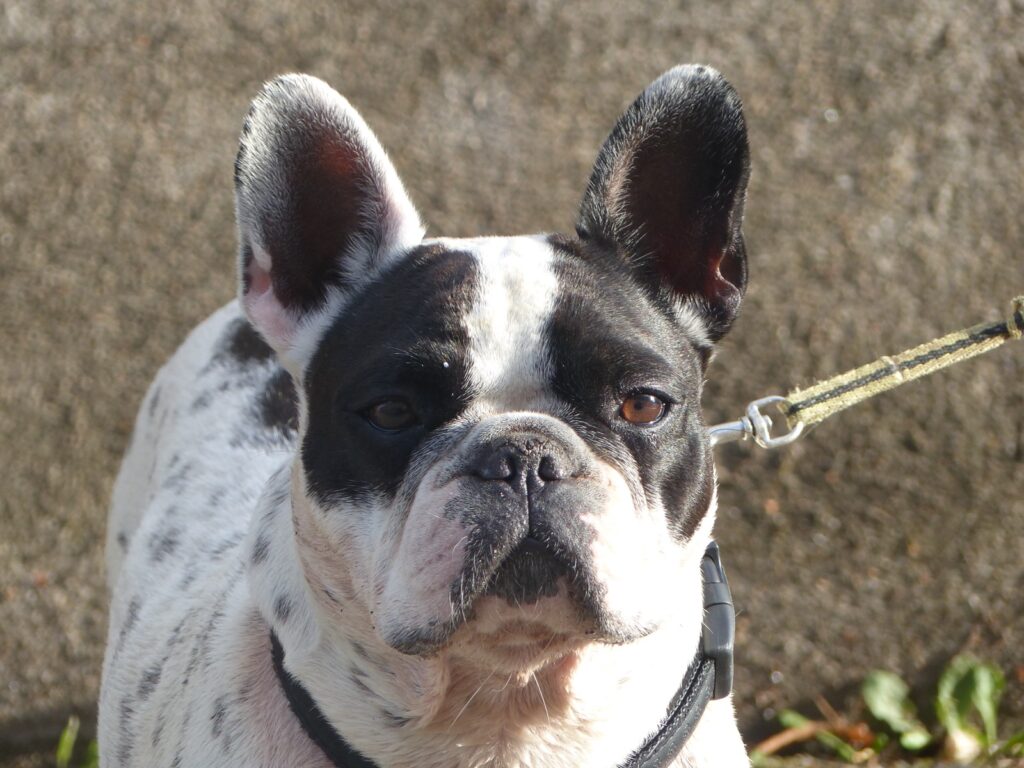
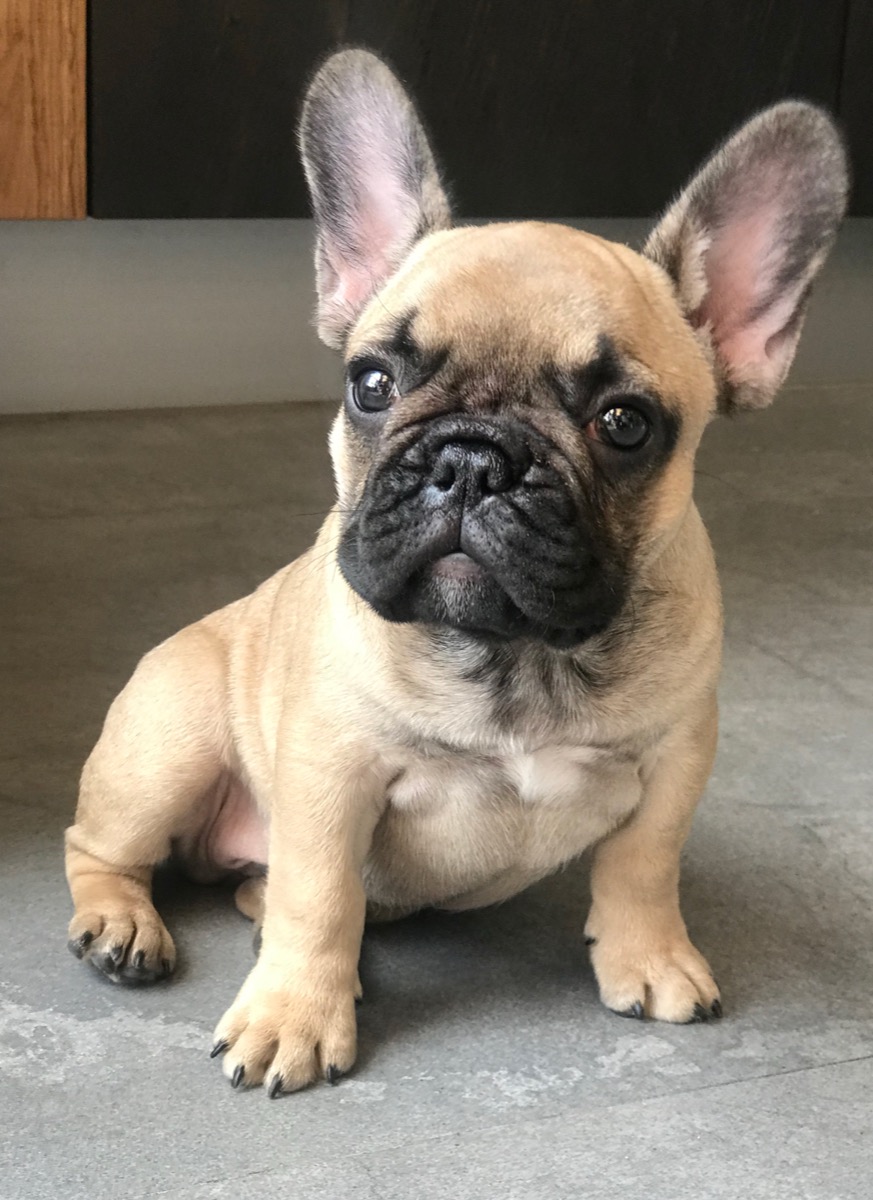
“Brachycephalic” simply means “short-headed.” These breeds have been selectively bred over generations for a flat face and a shortened muzzle. The result is a distinctive, undeniably cute look, but the skull and soft tissues have changed far faster than the airways and other structures packed inside them.
Common flat-faced breeds you will see around Australia include the following (the MSD Veterinary Manual lists the Boston Terrier, Boxer, Bulldog, Pekingese, Pug and Shih Tzu among brachycephalic breeds):
- French Bulldogs
- Pugs
- British (English) Bulldogs
- Boston Terriers
- Boxers
- Shih Tzus and Pekingese
- Cavalier King Charles Spaniels (to a lesser degree)
The Breathing Problem: BOAS
The most widely discussed concern is Brachycephalic Obstructive Airway Syndrome, often shortened to BOAS. In plain terms, a normal-sized amount of soft tissue is crammed into a much smaller space, which can narrow the airways and make breathing harder work. Many flat-faced dogs cope reasonably well, but others struggle, and the signs are easy to mistake for “just how the breed is.” The RSPCA notes that dogs with BOAS may need surgery, and that most still have some breathing compromise even after it.
Signs Worth Watching For
- Noisy breathing, loud snoring or constant snorting, even at rest
- Tiring quickly on walks or struggling to recover after light exercise
- Gagging, retching or bringing up food and froth
- Sleeping with the neck stretched out to keep the airway open
- Blue-tinged gums or collapse during heat or exertion: a genuine emergency
Noisy breathing is so common in these breeds that many owners assume it is normal. It is worth having a vet assess your dog so you understand their baseline and can act early if things change. Consult a licensed veterinarian for diagnosis or treatment specific to your pet.
It Is Not Just the Nose
Breathing tends to grab the headlines, but flat-faced conformation can come bundled with a few other things owners may need to manage over a dog’s life:
- Eyes: shallow eye sockets can leave the eyes more exposed and prone to irritation or injury.
- Skin folds: those adorable wrinkles trap moisture and can become sore or infected without regular, gentle cleaning.
- Teeth: a normal number of teeth in a smaller jaw often means crowding, so dental care matters.
- Heat sensitivity: dogs cool themselves mainly by panting, and a compromised airway makes that far less efficient.
- Birthing: many of these breeds commonly require caesarean deliveries, with the RSPCA noting rates of 80% or more in some breeds, an important consideration before breeding.
Buying or Adopting Responsibly
Demand for flat-faced breeds has fuelled a surge in puppy production, and not all of it is ethical. A little patience here can save heartache and vet bills later. If you are set on a brachycephalic breed, lean towards dogs bred for better health, not just an extreme look; the RSPCA has guidance on avoiding exaggerated features that compromise welfare.
- Choose registered, responsible breeders who health-test their dogs and are happy to answer questions.
- Look for slightly more open nostrils and a marginally longer muzzle, which generally makes breathing easier.
- Ask to see the parents and watch how they breathe at rest and after light activity.
- Avoid impulse buys from online ads or anyone who will not show you where the pups are raised.
- Consider adoption: plenty of flat-faced dogs are looking for homes through rescues and shelters across Australia.
Caring for a Flat-Faced Dog at Home
With sensible day-to-day management, many brachycephalic dogs live happy, full lives. A few habits make a real difference.
Keep Them Cool
Heat is one of the biggest risks. Walk during the cooler parts of the day, never leave your dog in a parked car, provide shade and fresh water, and learn to recognise the early signs of heat stress. In an Australian summer, this is not optional.
Watch the Waistline
Extra weight crowds the chest and makes breathing even harder. Keeping your dog lean is one of the simplest, most powerful things you can do for their comfort, and your vet can help you set a healthy target.
Use a Harness, Not a Collar
A well-fitted harness takes pressure off the throat and windpipe and gives you better, gentler control on walks.
The Bottom Line
Flat-faced dogs are affectionate, comical and devoted companions, and it is no wonder so many Australian households adore them. Loving the breed and being honest about its needs are not in conflict: they go hand in hand. Choose your dog thoughtfully, manage heat and weight carefully, and build a good relationship with your vet. Do that, and you give your snorty little mate the best shot at a long, comfortable and very happy life.