The most reliable signs that a cat is dehydrated are dry or sticky gums, lethargy, a poor appetite and, in more serious cases, sunken eyes. Skin that stays “tented” after you gently lift it over the shoulders is another clue, but that test is unreliable in older and thin cats. Cats are prone to dehydration because they are not big drinkers by nature, and hot Australian summer days, vomiting, diarrhoea, kidney disease and diabetes can all tip a borderline cat over the edge. A dehydrated cat that is weak, collapsing or still vomiting needs a vet the same day.
Why cats are prone to dehydration
Domestic cats descend from the African wildcat, a desert species. According to International Cat Care, today’s cats keep several traits from those desert-dwelling ancestors, including the ability to survive on a low water intake by producing very concentrated urine (more concentrated than a dog’s) and relatively dry faeces.
A 2025 scoping review of 32 studies on feline water intake, published in the Journal of Animal Science, notes that cats are often described as having a low thirst drive, while cautioning that this idea is not fully supported by controlled testing. What the evidence does show is that diet makes a big difference: cats on wet food take in more water overall, even though they drink less from the bowl.
Age adds to the risk. VCA Animal Hospitals explains that ageing reduces a cat’s sensitivity to thirst, which is already low, and that this predisposes older cats to dehydration.
Signs your cat is dehydrated
The Merck Veterinary Manual grades dehydration in dogs and cats by how moist the mouth is, how elastic the skin is and whether the eyes have sunk back, and stresses that estimating it is always somewhat subjective, even for vets.
Dry or sticky gums
Lift your cat’s lip and touch the gum. Healthy gums feel slick and wet; in dehydration they feel tacky, then dry. The Cornell Feline Health Center lists dry gums among the signs to watch for.
The skin tent test, and why it can mislead
Gently lift the loose skin over your cat’s shoulders and let it go. In a well-hydrated cat it springs straight back. VCA says skin that does not snap back but stays “tented up” usually indicates dehydration that needs treatment.
The test has real limits, though:
- Senior cats: Cornell notes that geriatric cats can show reduced skin turgor even when they are normally hydrated.
- Thin or underweight cats: Merck explains that chronically emaciated and geriatric animals lose collagen in the skin and fat from around the eyes, so they can have slow skin and sunken-looking eyes despite normal hydration.
- Kittens: very young animals can have extra-elastic skin, which makes the result hard to read.
Sunken eyes
Dull eyes set back in their sockets mean significant fluid loss. In Merck’s grading they appear at around 8 to 10 per cent dehydration, well past the mild stage.
Lethargy, weakness and poor appetite
Cornell lists lethargy, weakness and a poor appetite as signs. They overlap with most illnesses, so a quiet cat off their food deserves a gum check.
What causes dehydration in cats
| Cause | Why it dehydrates | What to do |
|---|---|---|
| Vomiting and diarrhoea | Fluid is lost faster than the cat replaces it | See the vet if it persists beyond 6 to 12 hours |
| Chronic kidney disease | Increases water loss through the urine | Vet diagnosis and ongoing management |
| Diabetes | Extra urine output pulls water out of the body | Vet diagnosis and treatment |
| Not drinking enough | Dental pain, illness, a hard-to-reach bowl or another cat guarding the water | Fix access and look for the underlying problem |
| Hot weather | A cat shut out of cool areas or away from water on a hot day | Shade, cool rooms and water that cannot run out |
Kidney disease and diabetes
Cornell says the most common causes of dehydration are diseases that increase water loss, naming chronic kidney disease, diabetes and hyperthyroidism. VCA adds that because cats are usually not good drinkers, diabetes predisposes them to dehydration as they urinate more. If you suspect either condition, our guides to kidney disease in cats and feline diabetes explain the early signs and what testing involves.
One point often confuses owners: a cat that is suddenly drinking much more water is not showing a sign of dehydration as such. Increased thirst is its own symptom, often of the very diseases above, and it is worth a vet visit in its own right. We cover that in detail in Is Your Cat Drinking More Water?
Vomiting and diarrhoea
VCA’s guide to emergencies in cats calls dehydration a major concern with vomiting and diarrhoea and advises seeking help if either persists beyond 6 to 12 hours. It also warns not to force a vomiting cat to eat or drink, as you may make things worse.
Hot days and access to water
A cat shut in a hot sunroom or left with one bowl that gets knocked over can go hours without water on a scorching day. Cornell points out that dental pain, limited access to bowls and conflict with other cats in the household can all reduce how much a cat drinks, so check these too.
How to get more water into your cat
You cannot make a cat drink, but you can make water more appealing. Most of this advice comes from International Cat Care and VCA.
Feed more wet food
This is the single most effective change for many cats. According to Cornell, dry food contains only 6 to 10 per cent water, while canned food has a moisture content of at least 75 per cent. International Cat Care suggests feeding tins or pouches rather than dry food and adding extra water to wet meals, but check with your vet first if your cat is on a special diet.
Put bowls in the right places
- Away from food: International Cat Care says cats prefer not to drink next to their food. VCA gives the same advice.
- Away from the litter tray: The AAFP and ISFM environmental needs guidelines recommend keeping key resources such as food, water and toileting areas separate from each other.
- More than one: VCA suggests several bowls of different sizes around the home, on every floor. International Cat Care recommends at least one water bowl per cat plus one extra in multi-cat homes.
Choose the right bowl
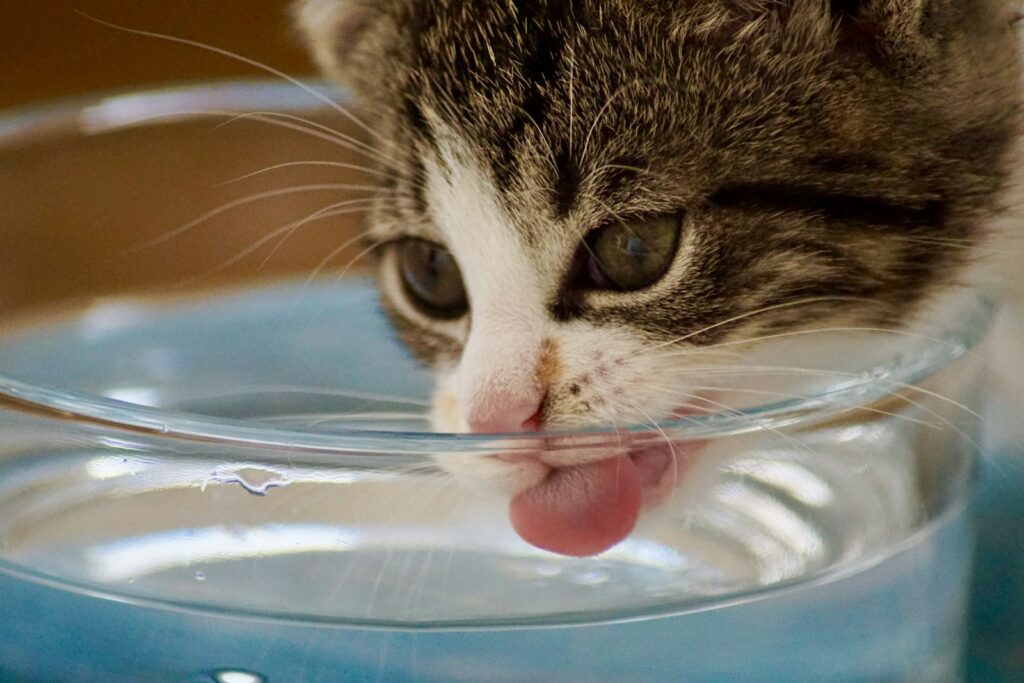
International Cat Care says most cats prefer glass or ceramic bowls over plastic, and wide, shallow bowls they do not have to put their head into. Wash and refill bowls daily.
Try a fountain, but do not count on it
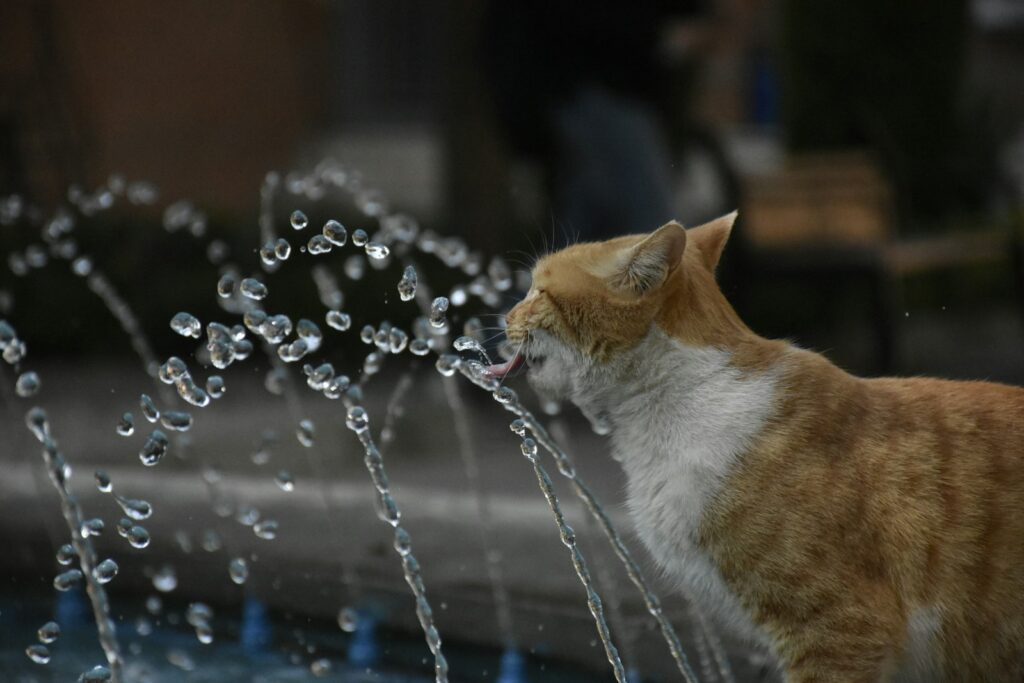
Some cats love running water, and both VCA and International Cat Care suggest a pet fountain is worth trying. Keep your expectations realistic, though. Cornell says cats vary in their preference, and the Journal of Animal Science review found that while a few individual cats preferred moving water, overall water intake was not affected.
What not to add
International Cat Care warns against salty liquids such as stock, brine or gravy, and anything containing onion or onion powder, which is poisonous to cats.
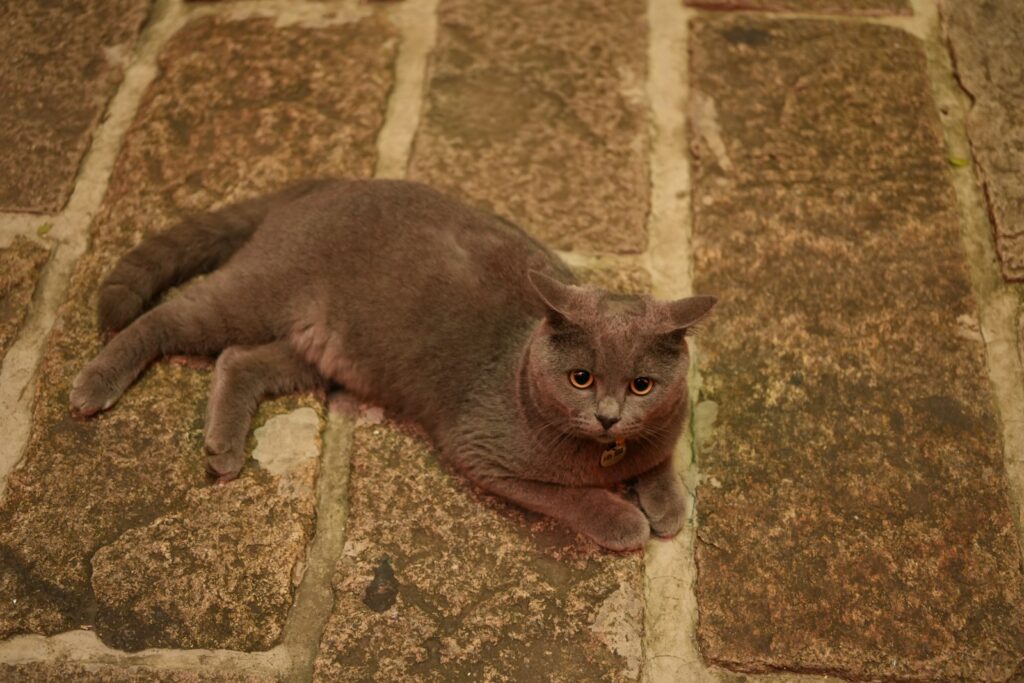
Keeping indoor cats cool in a heatwave
The RSPCA Australia Knowledgebase says cats need access to cool areas, may need to be kept indoors when it is very hot, and that stroking a cat with a damp towel may help them cool down. All animals need free access to water.
For hydration specifically, a few practical steps help on hot days:
- Fill extra bowls before you leave for work, in at least two cool rooms, so one spill does not leave your cat dry.
- Leave doors open to tiled bathrooms or laundries, which tend to stay cooler.
Dehydration and heatstroke often go together, but they are not the same thing. Heatstroke is a rapid rise in body temperature and is always an emergency. For warning signs and first aid, read our guide to heatstroke in dogs and cats.
When dehydration is an emergency
Call your vet or nearest emergency vet straight away if your cat:
- is weak, wobbly, much less responsive or has collapsed (VCA says collapse should always be treated as an emergency)
- has vomiting or diarrhoea lasting more than 6 to 12 hours, or keeps vomiting water back up
- has very dry gums and sunken eyes
- is panting, distressed or lethargic on a hot day, which VCA lists as signs of heatstroke
- is straining in the litter tray and passing little or no urine, which VCA says needs immediate attention
What your vet does
Your vet will examine your cat, estimate the degree of dehydration and look for the cause. Cornell says vets treat dehydration with intravenous or subcutaneous fluid therapy, and that finding the underlying cause is a key part of care.
- Subcutaneous fluids are given under the skin and absorbed from there.
- Intravenous fluids go directly into a vein through a drip, which means your cat stays in hospital while they run.
A clear history helps: tell your vet how long your cat has been vomiting or off their food, roughly how much they have been drinking, and about any existing conditions. Your vet will choose the type and route of fluids to suit your cat.
Frequently asked questions
How can I tell if my cat is dehydrated at home?
Check the gums first: they should feel wet and slippery, not tacky or dry. Then look for lethargy, poor appetite and sunken eyes. Use the skin tent test as a supporting clue only, and try it while your cat is well so you know their normal.
Is a cat fountain worth buying?
It may help if your cat likes running water, but research suggests most cats do not drink more overall from a fountain. Switching to wet food usually makes a bigger difference.
Key takeaways
- Cats evolved from desert ancestors that survive on little water, and ageing dulls their thirst further.
- Check the gums, energy levels and eyes. The skin tent test is a rough guide and misleads in older and thin cats.
- Vomiting, diarrhoea, kidney disease, diabetes and hot days without water are the usual causes. Drinking more than usual is a separate warning sign.
- Wet food, several shallow bowls placed away from food and litter, and daily fresh water do more than any gadget.
- Weakness, collapse or ongoing vomiting means a vet visit the same day.
Sources
- International Cat Care: The origins of cats
- Journal of Animal Science (2025): Water consumption in domestic cats, a scoping review of 32 publications
- VCA Animal Hospitals: Feeding Mature, Senior, and Geriatric Cats
- Merck Veterinary Manual: The Fluid Resuscitation Plan in Animals
- Cornell Feline Health Center: Hydration
- VCA Animal Hospitals: Recognizing the Signs of Illness in Cats
- VCA Animal Hospitals: Emergencies in Cats
- International Cat Care: How to encourage your cat to drink
- Cornell Feline Health Center: Feeding Your Cat
- AAFP and ISFM: Feline Environmental Needs Guidelines (2013)
- RSPCA Australia Knowledgebase: What can I do to protect my companion animals from heatstroke?
This article is general information only and is not a substitute for advice from a registered veterinarian who has examined your cat. If you are worried about your cat’s health, contact your vet or nearest emergency vet.